



Gary Anderson: The Traffic-Light System F1 Really Needs
Gary Anderson argues Formula 1 should replace its ambiguous flag and lightboard systems with a standardized traffic-light warning protocol already used worldwide. The veteran technical expert believes clear, color-coded visual signals on every car could eliminate dangerous guesswork for drivers, broadcasters, and safety crews regarding both power modes and on-track incidents.
Why it matters:
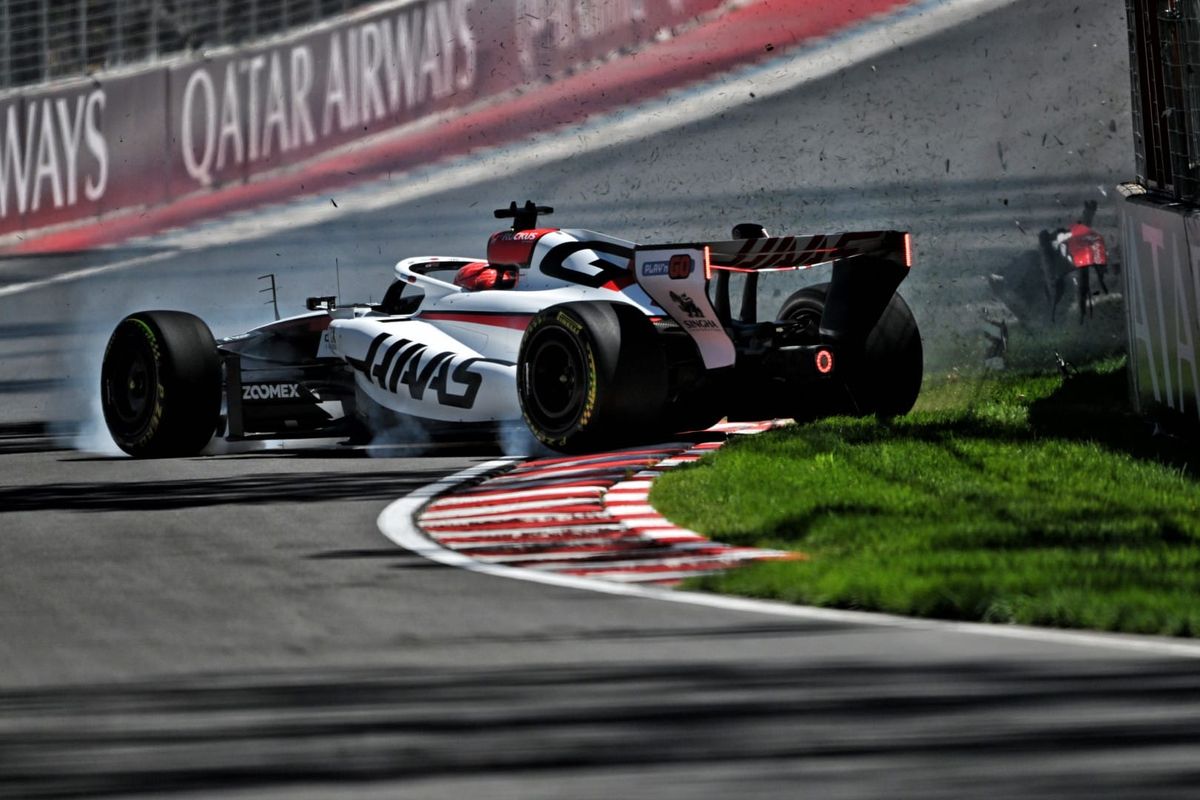
Recent controversies over yellow flag interpretations highlight how vague rules and poor visibility create unnecessary risk at high speed. With modern F1 cars carrying high-voltage systems and complex energy recovery hardware, marshals need unambiguous information about a vehicle's state before approaching a damaged or stationary car. Anderson emphasizes that while the sport invests heavily in structural crash protection, safety for trackside personnel ultimately depends on clear, instant communication.
The details:
- Power Mode Indicators: Rear wing lights would use green, yellow, and red—steady or flashing—to signal battery deployment, harvesting, a nearly depleted energy store below 10%, or complete loss of propulsion. A flashing blue light on the rear impact structure or halo would warn a driver when a lapping car is within one second, turning solid after 10 seconds to mandate yielding.
- Incident Classification: Front and side-mounted lights would complement rear signals. Flashing yellow indicates a car off-track but moving, requiring a predetermined speed reduction; solid yellow means a stopped car with a low-impact incident; flashing red signals a high-g crash requiring the medical car and triggers corresponding trackside red lights.
- Fail-Safe Design: Anderson insists the system must be FIA-controlled and identical across all teams. If the electronics fail, they must default to red, ensuring nobody mistakenly assumes a damaged car is safe to touch.
What's next:
The proposal calls for regulators to codify these rules without delay rather than forming lengthy committees. By treating the car itself as a mobile warning signal, F1 could bridge the gap between advanced engineering and practical safety, giving drivers and marshals the clarity they desperately lack when seconds count.
Original Article :https://www.the-race.com/formula-1/gary-anderson-the-system-f1-really-needs-to-b...