




Gary Anderson's blueprint to fix F1's 2026 energy management crisis
F1 technical expert Gary Anderson has proposed specific, data-driven changes to the 2026 regulations, arguing the current energy management rules are forcing drivers to drive slowly and robbing them of control. His analysis, based on Suzuka lap data, calls for a significant rebalancing of power unit deployment and harvesting to restore the fundamental driver-car connection.
Why it matters:
The core spectacle of Formula 1 is the driver wrestling a car at its absolute limit. The current 2026 rules, with their heavy reliance on "superclipping" (harvesting energy while at full throttle) and lift-and-coast, are forcing drivers to manage complex systems at the expense of pure speed and instinct. Anderson's critique strikes at whether F1 is prioritizing engineering puzzles over the raw sporting contest, risking fan alienation if qualifying laps and wheel-to-wheel battles are compromised.
The details:
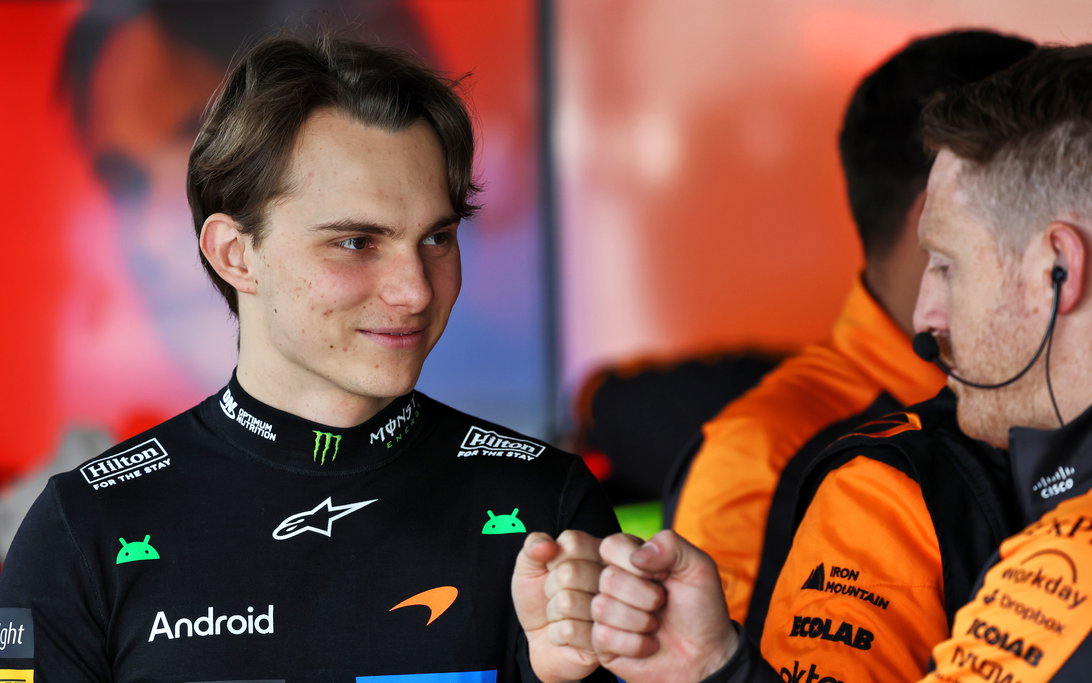
Anderson uses Oscar Piastri's 2026 Suzuka qualifying lap as a baseline to illustrate the problem. His analysis reveals a critical energy shortfall where the driver's demand for full power cannot be met by the current harvesting capabilities.
- The Energy Gap: At Suzuka, a driver wants full power for 59 seconds per lap. Even with a full battery and maximum harvesting, the system can only deliver about 58% of that request, forcing energy-saving maneuvers.
- Proposed Numerical Fix: Anderson's calculations suggest the optimal balance is to reduce MGU-K deployment power to 200kW (from up to 350kW) and increase harvesting from braking or superclipping to 350kW (from 250kW). This would reduce peak power but provide a more consistent and driver-controllable supply.
- Driver Control is Key: A recurring theme is returning agency to the driver. Anderson argues the throttle and brake pedals should be the sole controllers of energy use, eliminating hidden system interventions that punish driver aggression and confuse viewers.
The bottom line:
Anderson's plan is a plea for simplification and sporting integrity. He prioritizes closing speeds, the return of "on-the-edge" qualifying laps, and eliminating scenarios where cars run out of power on straights. While accepting a reduction in peak horsepower, his framework aims to trade outright pace for a formula where the fastest driver, not the most optimally managed hybrid system, wins. The upcoming FIA crunch meeting will reveal if the sport's stakeholders agree with this back-to-basics philosophy.
Original Article :https://www.the-race.com/formula-1/the-rule-changes-f1-should-make-to-save-2026-...