




Franco Colapinto defends role in 'really dangerous' Japanese GP crash with Oliver Bearman
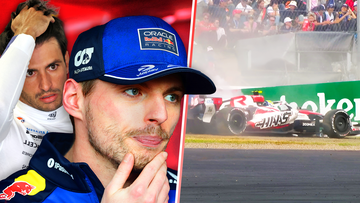
Williams rookie Franco Colapinto has defended his actions after a massive closing-speed difference led to a "really dangerous" crash for Haas driver Oliver Bearman during the Japanese Grand Prix. The incident has reignited driver concerns about the safety risks posed by significant speed differentials on track, particularly when cars are in different energy deployment modes.
Why it matters:
This crash highlights a persistent and growing safety concern in modern Formula 1: the extreme speed differences between cars on different strategies or energy modes. When one car is harvesting energy (slowing to recharge its battery) and another is deploying it (using extra power for a pass), the closing speeds can be dangerously high, especially on curved sections of track where visibility and reaction time are limited. It underscores an ongoing debate about whether current regulations adequately manage this inherent risk.
The details:
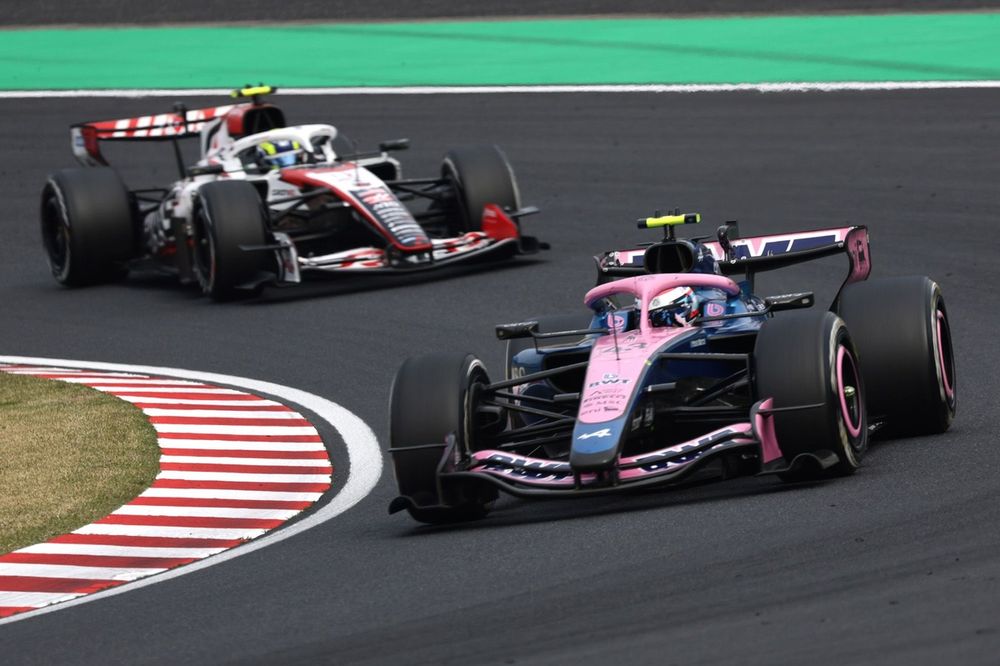
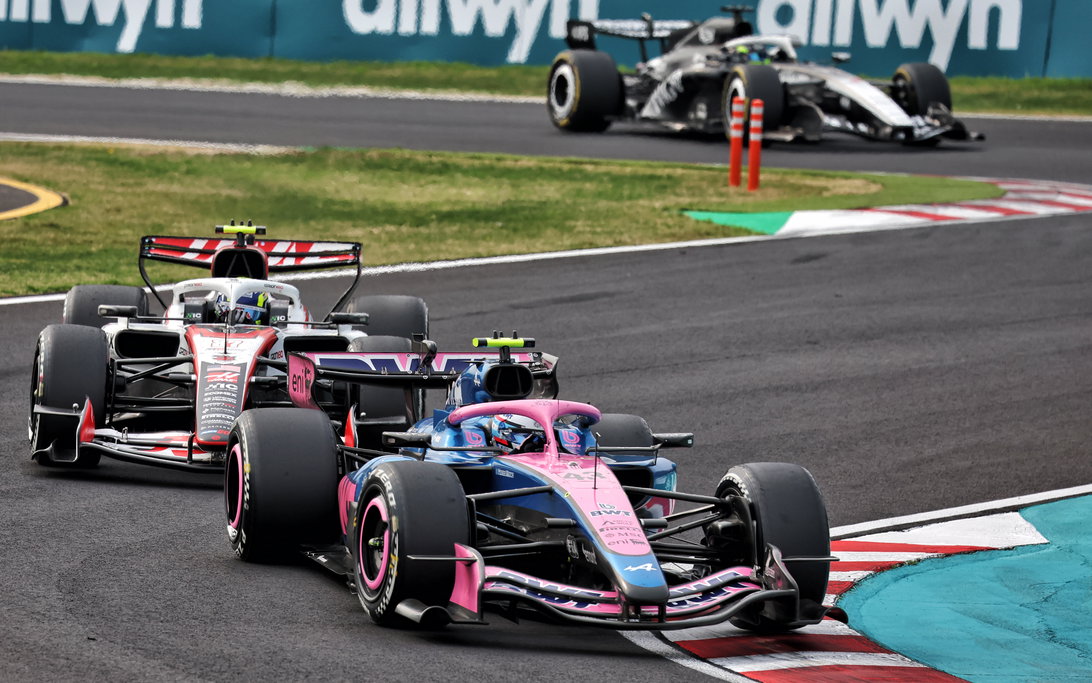
- The collision occurred on Lap 21 at the high-speed Spoon Curve. Colapinto, harvesting energy, was traveling approximately 50 kph (31 mph) slower than Bearman, who was deploying his battery's energy to attempt an overtake.
- Bearman had to jink left to avoid Colapinto's Williams, lost control on the grass, and slammed into the barriers. He was fortunate to escape with only bruising after precautionary checks.
- Colapinto stated he did nothing unusual, taking the corner flat-out as normal, and did not move his racing line. He attributed the cause solely to the massive speed delta.
- Driver Criticism: Post-race, Ferrari's Carlos Sainz criticized the FIA for previously ignoring driver warnings about the potential for such accidents. The governing body has acknowledged the incident with a statement.
- Historical Precedent: Colapinto compared the situation to a near-miss at the start of the Australian Grand Prix, where he had to avoid a much slower car, suggesting this is a recurring issue with the current generation of cars.
What's next:
The incident will likely intensify discussions between the drivers, teams, and the FIA about mitigating the risks of high closing speeds.
- While energy deployment and harvesting are core strategic elements of the sport, there may be calls for clearer guidelines or real-time monitoring to warn drivers of extreme speed differentials in dangerous corners.
- The focus will be on finding a technical or regulatory solution that maintains racing excitement without compromising driver safety, ensuring such "really dangerous" situations are minimized in future events.
Original Article :https://racingnews365.com/franco-colapinto-issues-staunch-defence-after-really-d...