







FIA says F1 must not be hostage to manufacturers over future engine rules
The FIA’s single‑seater technical chief, Nikolas Tombazis, told Racing News 365 that Formula 1 cannot be a hostage to manufacturers when it comes to the next set of engine regulations. While the 2026 power‑unit formula – a 50‑50 split between ICE and electric – was designed to lure new OEMs, the sport is already looking ahead to a 2031 rule package that must stay resilient to shifting automotive strategies.
Why it matters:
Formula 1’s appeal hinges on a balance between cutting‑edge technology and a level playing field. If the sport becomes dependent on a handful of car makers, any change in their road‑map – such as a rapid shift to full electrics – could leave F1 without viable power‑unit partners, driving up costs and risking grid stability. A diversified, sustainable engine framework protects the championship’s long‑term health and keeps the door open for new entrants.
The details:
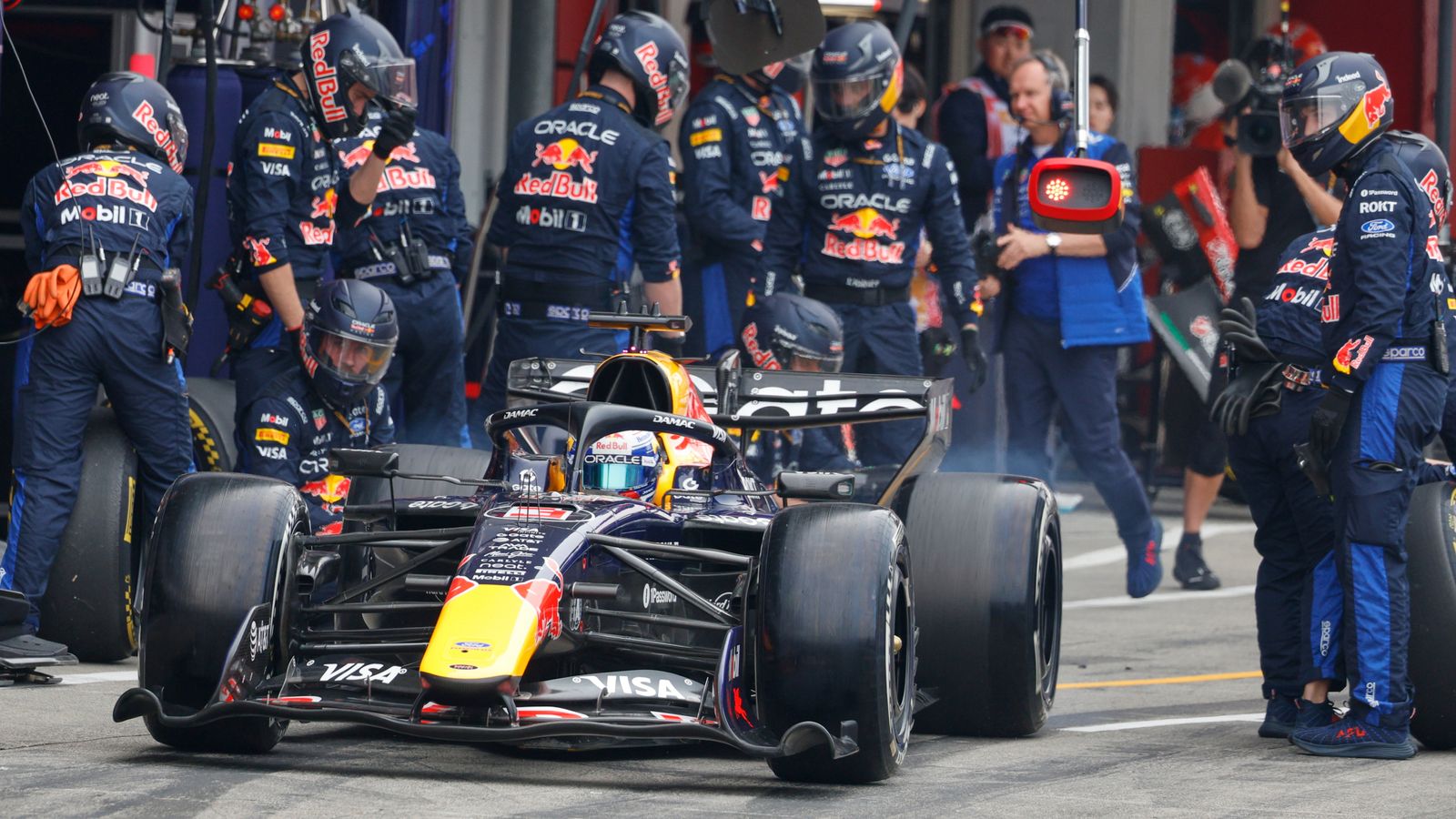
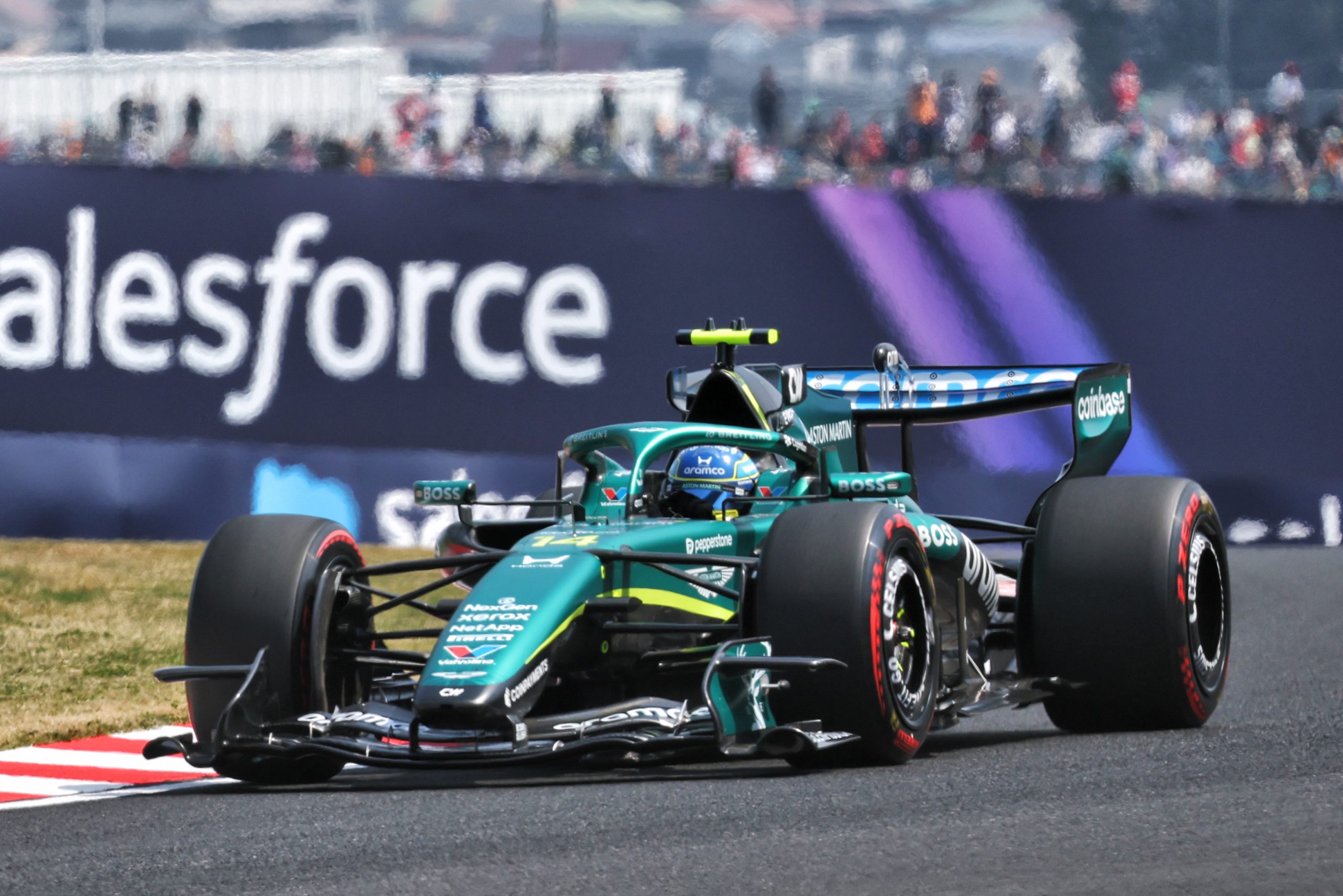
- New OEM lineup – Audi joins as a works team, GM will supply power units via Cadillac, Ford returns as a technical partner to Red Bull Powertrains, and Honda is back with Aston Martin.
- 50‑50 power split – The 2026 rules mandate equal contribution from the internal combustion engine and the battery, a key lure for manufacturers seeking relevance in hybrid tech.
- Changing political landscape – When the current rules were drafted, many automakers announced they would cease building new ICEs. That timeline has slipped, forcing the FIA to reconsider how much it leans on ICE development.
- Sustainable fuels – The FIA has already moved to fully sustainable fuel blends, a compromise that satisfies both environmental goals and the need to retain ICE performance.
- Cost‑control imperative – Tombazis stressed that the sport must protect itself from macro‑economic swings; a broader supplier base helps drive down power‑unit costs and reduces reliance on any single manufacturer.
- Long development cycles – Designing a new power unit can take years, so discussions about the 2031 regulations need to start now to give manufacturers enough lead‑time.
What's next:
The FIA will open formal talks on the 2031 engine package within the next few weeks, aiming to lock in core parameters before the 2026 season ends. Stakeholders are expected to present proposals on fuel composition, hybrid architecture and cost caps. If consensus is reached, the new rules could cement a multi‑OEM ecosystem that safeguards F1’s technical relevance while keeping budgets in check. Conversely, a failure to secure broad manufacturer commitment could force the sport to revisit its power‑unit formula or risk a shrinking grid.
Original Article :https://racingnews365.com/fia-declare-f1-cannot-be-hostage-over-future-engine-ru...