






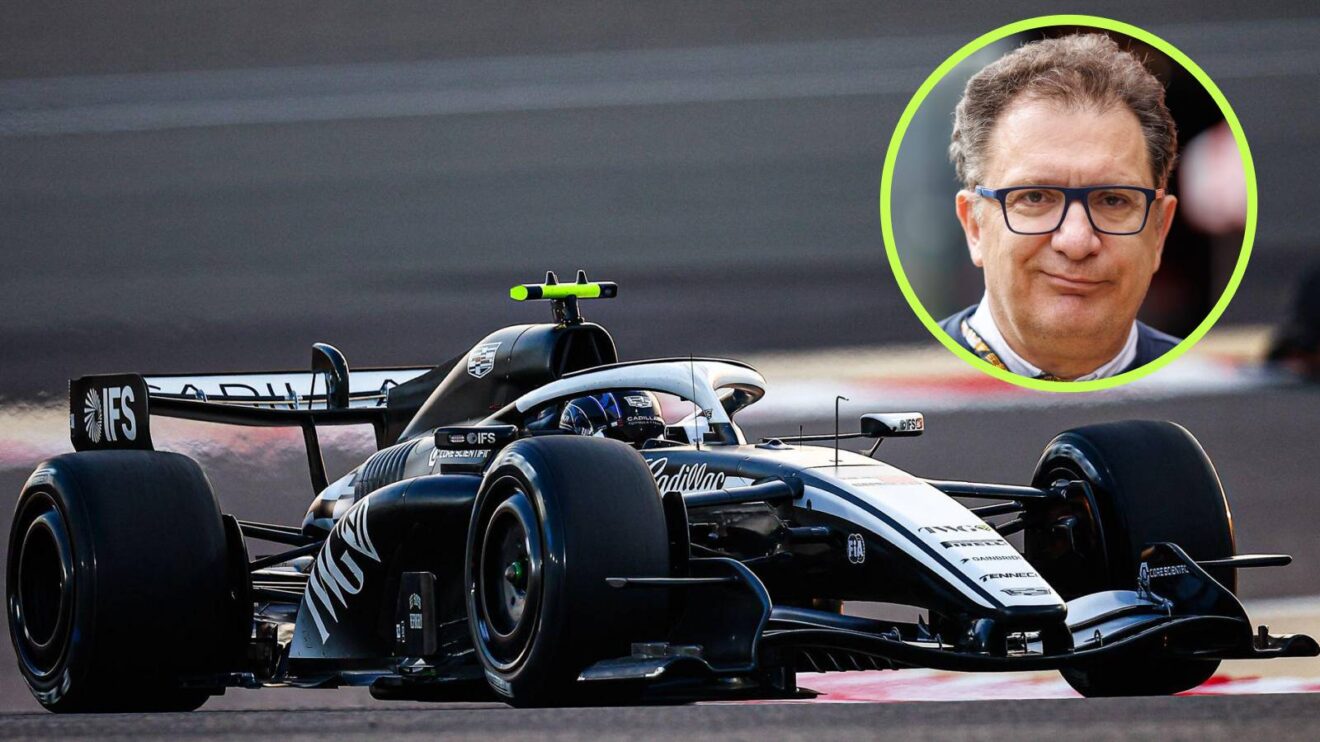
FIA's Tombazis: 2026 F1 rules strong but open to adjustments
FIA single-seater director Nikolas Tombazis says Formula 1's new 2026 technical regulations are starting from a position of strength, with cars already close to last year's pace, but acknowledges that adjustments may be needed based on early feedback and real-world racing data.
Why it matters:
The 2026 season marks the start of a major new technical era focused on a 50/50 split between internal combustion and electrical power. How these complex new cars perform and race will define F1 for the next five years. While initial on-track performance is promising, driver concerns about the unique driving style required highlight a potential need for the sport's governing body to be agile and responsive.
The details:
- Strong Initial Pace: Despite being brand new, the 2026 cars are only a few seconds off the 2025 pace, with Charles Leclerc's pre-season testing time in Bahrain just three seconds shy of the previous benchmark when adjusted for tire differences.
- Driver Adaptation Challenges: The new power units have created unique driving characteristics. Cars are energy-starved, especially on circuits with long straights, forcing drivers to use extensive lift-and-coast and even downshift on straights to harvest energy.
- Openness to Change: Tombazis confirmed the FIA is "completely conscious that we may need to make adjustments" and has been in long-term discussions with teams, power unit manufacturers, and drivers. He stressed any changes would follow the sport's formal governance process.
- Potential Tweaks: The primary area for potential adjustment is software-controlled energy deployment rules, not hardware. One explored idea is increasing the energy harvesting rate during 'super-clipping' to reduce the need for excessive lift-and-coast.
- From Simulator to Reality: Driver feedback from actual testing in Bahrain and Barcelona has been significantly more positive than the "huge concerns" expressed during simulator runs in 2025, though notable criticisms remain.
What's next:
The true test begins with the first race in Melbourne, where cars will compete wheel-to-wheel. The FIA plans to gather data from the opening few races before considering any rule tweaks.
- Tombazis indicated the process for changes would take "a few weeks" of discussion and governance, not months, but is also not instantaneous.
- The focus is on the long-term health of the regulations, with Tombazis viewing the 2026 project as a "marathon, not a sprint." He remains confident that the foundation is solid, with perhaps only minor refinements needed as the sport collectively learns from the new machines.
Original Article :https://www.planetf1.com/news/f1-2026-regulations-nikolas-tombazis-changes-drive...