





FIA's 2026 rule tweaks take immediate effect starting in Miami
The FIA has fast-tracked a series of technical regulation changes for the 2026 season, with the first adjustments set to be applied at the upcoming Miami Grand Prix. The tweaks target key driver complaints about energy management in qualifying and safety concerns in races, aiming to reduce complex strategic juggling and promote more consistent, flat-out performance.
Why it matters:
These mid-season adjustments are a direct response to widespread dissatisfaction from drivers and teams during the opening rounds. By addressing the pronounced "superclipping" issue in qualifying and dangerous speed differentials in races, the governing body is attempting to refine the racing product before the full 2026 overhaul. The changes represent a significant shift towards simplifying the driver's task and enhancing on-track safety, which could immediately improve the spectacle and competitiveness of the upcoming races.
The details:
The package of changes focuses on three main areas: qualifying energy deployment, race safety parameters, and start procedures.
- Qualifying Energy Cap Reduced: The maximum energy recharge per lap has been trimmed from 8 MJ to 7 MJ. This directly tackles the superclipping problem, where drivers were forced into excessive lift-and-coast phases to harvest energy. The result should be more linear deployment, fewer management phases, and a reduction in superclipping time from severe losses to an estimated 2-4 seconds per lap.
- Peak Power Increased, But Smarter Usage Encouraged: Peak superclipping power has been raised from 250 kW to 350 kW, giving drivers a stronger burst of acceleration when they deploy energy. However, combined with the lower overall energy cap, this power cannot be sustained for long. The design philosophy encourages more efficient, tactical use of energy rather than simply greater usage.
- Race Safety: Capping the "Rocket" Boost: To control dangerous closing speeds during overtakes, the maximum additional power from boost (overtake) systems is now capped at +150 kW. This prevents massive disparities in available energy between cars, leading to a more controlled speed delta in wheel-to-wheel combat and reducing risk.
- Smarter Race Deployment: The MGU-K will now deploy at 350 kW in critical acceleration zones (corner exit to the next braking point) but is reduced to 250 kW in less important sections of the lap. This ensures full power is available for overtaking and acceleration onto straights while conserving energy elsewhere for overall efficiency.
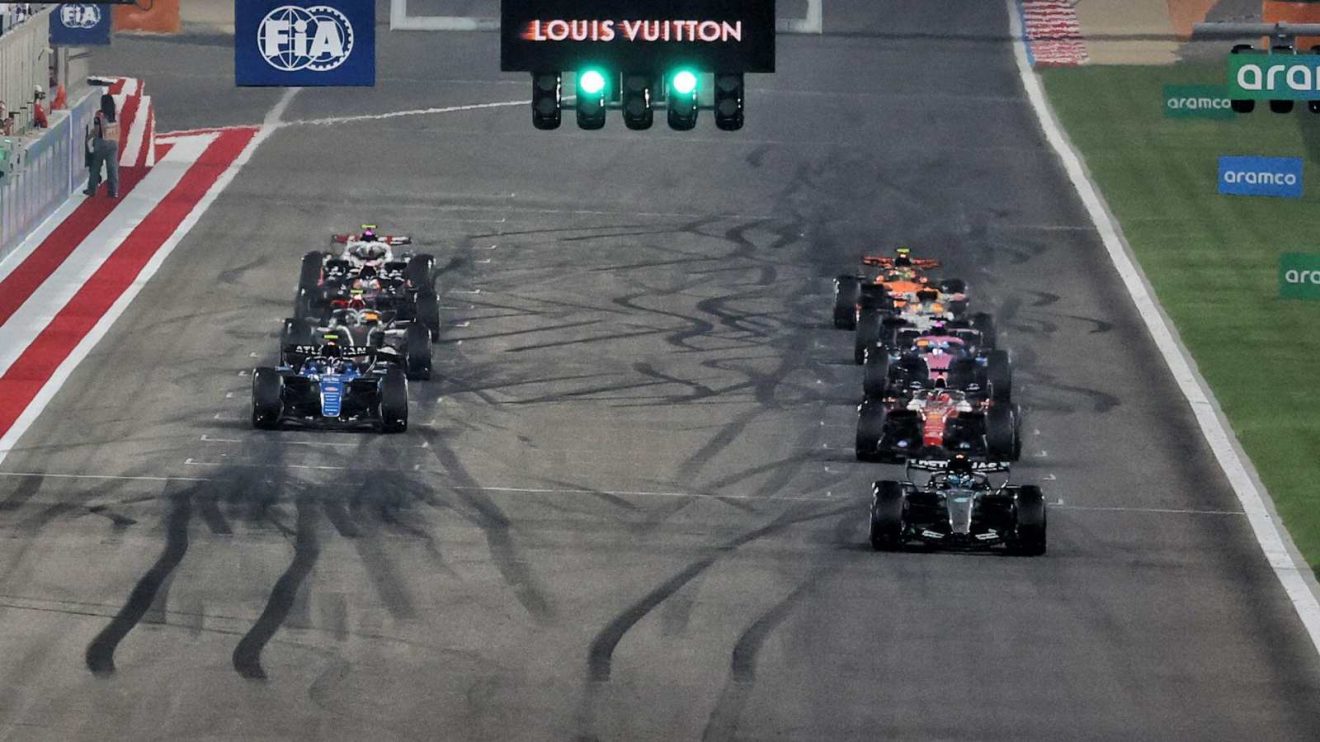
- New Start Safety System: A "low power start detection" system will be introduced. It monitors the initial meters after clutch release and automatically engages the MGU-K to provide an electric boost if it detects abnormal slow acceleration from wheelspin or stalling. Simultaneously, it activates warning lights on the rear and sides of the affected car to alert following drivers.
What's next:
The immediate test for these revised regulations will be the Miami Grand Prix, where drivers and teams will experience the new energy management dynamics for the first time. The success of these tweaks will be measured by a noticeable reduction in qualifying complaints and safer, more predictable racing conditions. Furthermore, the FIA has increased its flexibility by expanding the number of races where alternative, lower energy limits can be applied from eight to twelve, allowing for further fine-tuning based on circuit characteristics throughout the season.
Original Article :https://www.gpblog.com/en/features/what-the-new-rule-tweaks-really-mean-for-form...
