




FIA, Manufacturers Begin Talks to Refine 2026 F1 Engine Rules
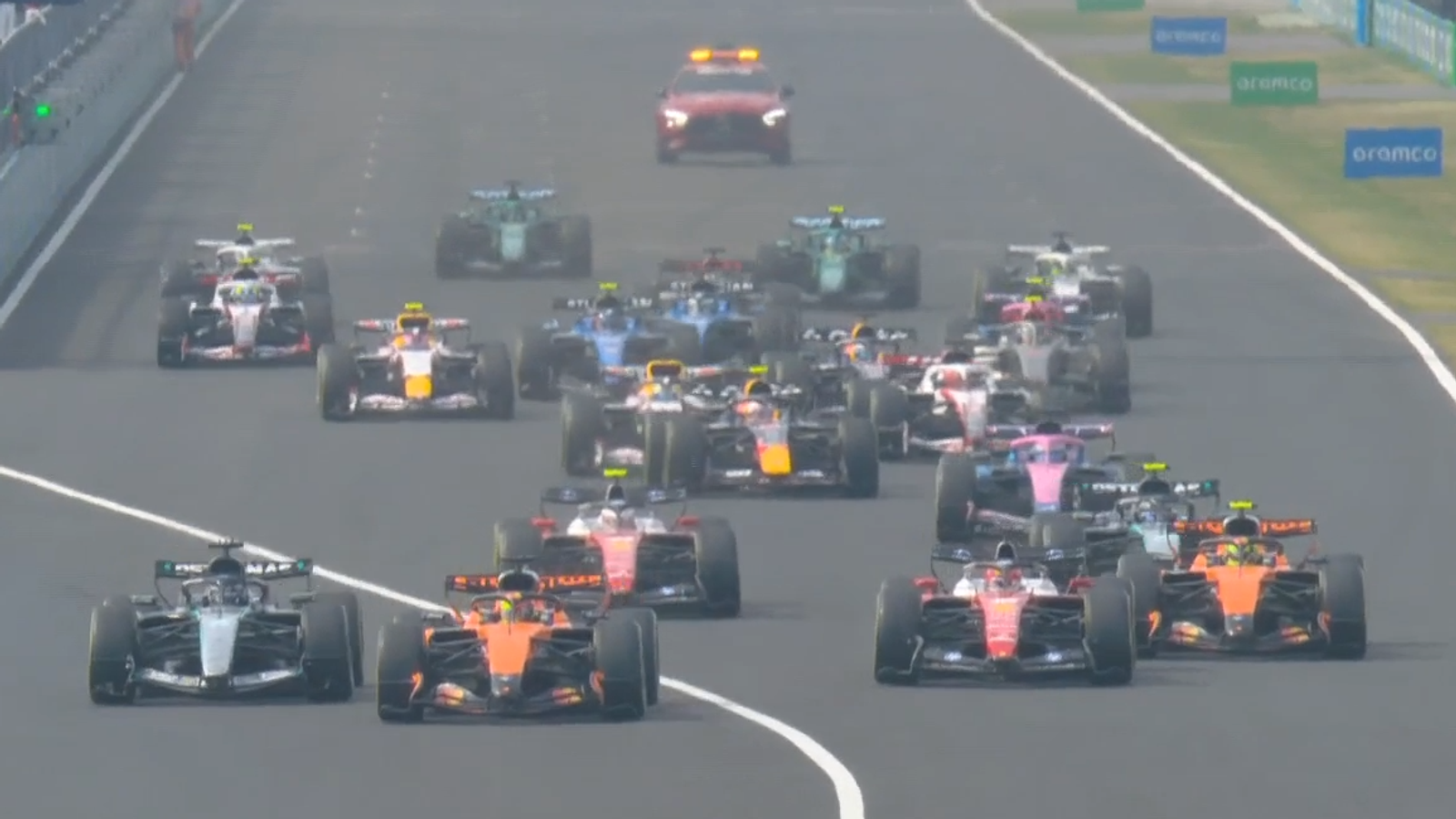
Following a turbulent start to the 2026 season, the FIA and Formula 1's power unit manufacturers have initiated a "constructive dialogue" to address critical concerns over energy management and safety. The urgent talks, spurred by driver complaints and a high-profile incident, aim to refine the new technical regulations with data-driven tweaks rather than a complete overhaul, targeting implementation by the Miami Grand Prix.
Why it matters:
The early races under the 2026 regulations have exposed significant challenges, particularly with cars experiencing dangerous speed differentials when their electrical energy depletes. Finding a safer and more sustainable balance is crucial not only for driver safety but also for the long-term credibility and competitive integrity of the new power unit era. How the sport's stakeholders navigate these initial problems will set a precedent for future regulatory collaboration.
The details:
- The primary focus is the excessive strategic burden posed by current energy management, which heavily dictates qualifying and race strategy.
- Technical discussions are centered on potential solutions, including:
- Reducing the total allowed electrical energy deployment.
- Increasing energy harvesting capacity during high-demand phases to mitigate "super clipping."
- The FIA has established a strict timeline for reform:
- A Sporting Regulations meeting is scheduled for April 15 to facilitate technical changes.
- A follow-up technical session on April 16 will finalize specific proposals.
- A high-level summit with all stakeholders (teams, F1 management, OEMs) is set for April 20 to seek consensus on the path forward.
- Any agreed-upon changes will undergo an e-vote and final ratification by the World Motor Sport Council, likely before the summer races.
What's next:
The paddock is committed to a collaborative, data-led approach to avoid knee-jerk reactions. If consensus is reached swiftly, the first regulatory refinements could be in place for the Miami GP, offering an early test of the new energy management solutions. The outcome of these talks will be a key indicator of whether the 2026 rules can deliver on their promise of exciting yet safe and manageable racing for the remainder of the season and beyond.
Original Article :https://f1i.com/news/562669-fia-manufacturers-open-constructive-dialogue-on-f1-e...