








FIA Explains 2027 Aero Bans and Why Current Rules Are 'More Robust' Than 2022
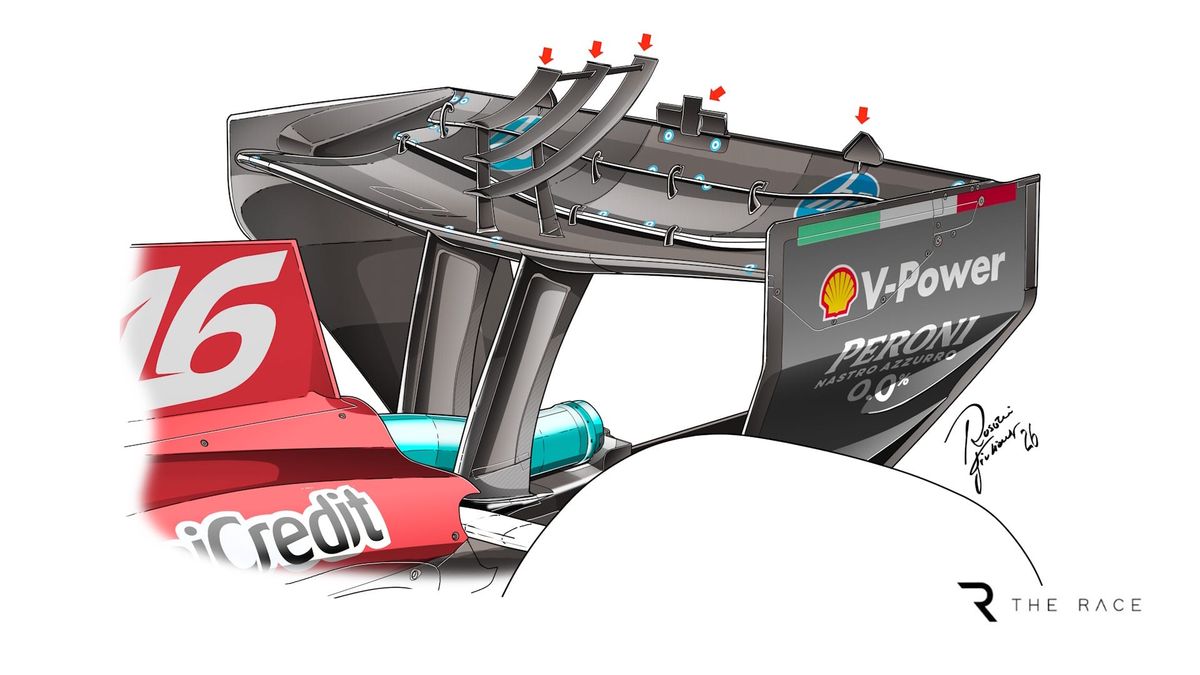
The FIA has banned several aerodynamic innovations for the 2027 Formula 1 season, including exhaust wings and rear wing hanger extensions. Officials insist the move will control costs and prevent teams from undermining regulations designed to promote close racing, while remaining confident the current concept is fundamentally more robust than the last generation.
Why it matters:
During the 2022 rules cycle, teams exploited freedoms in front wing endplates, floor edges, and front wheel furniture to such a degree that car wake severely worsened. Downforce loss at 10 metres doubled from 15% to 35%, wrecking the close racing the rules were meant to create. By acting now, the FIA aims to stop history from repeating before teams waste millions on development wars.
The details:
- 2027 bans: Outlawed solutions include exhaust wings, rear wing hanger extensions, and the actuator fairing winglets that surfaced from the Monaco Grand Prix.
- Tombazis' view: The FIA's single seater director says the 2026 cars remain comparable to the start of 2022 for downforce loss when following, but insists the concept is "more robust" and has not been broken.
- Driver verdict: Despite power unit complaints, drivers have praised the 2026 chassis. Higher ride heights and lighter dimensions eliminated the previous era's brutal stiffness, while reduced downforce keeps the cars genuinely challenging through corners.
What's next:
While the 2027 tweaks keep development in check without fully restrictive regulations, Tombazis already has ambitious targets for the next generation. He wants future cars to shed roughly 80 kilograms and shrink further, seeking a dramatic step change that would redefine the physical limits of modern F1 machinery.
Original Article :https://www.the-race.com/formula-1/whats-behind-f1s-set-of-2027-aero-bans/