






La FIA attua una riduzione temporanea della velocità in pit lane per il GP d'Australia
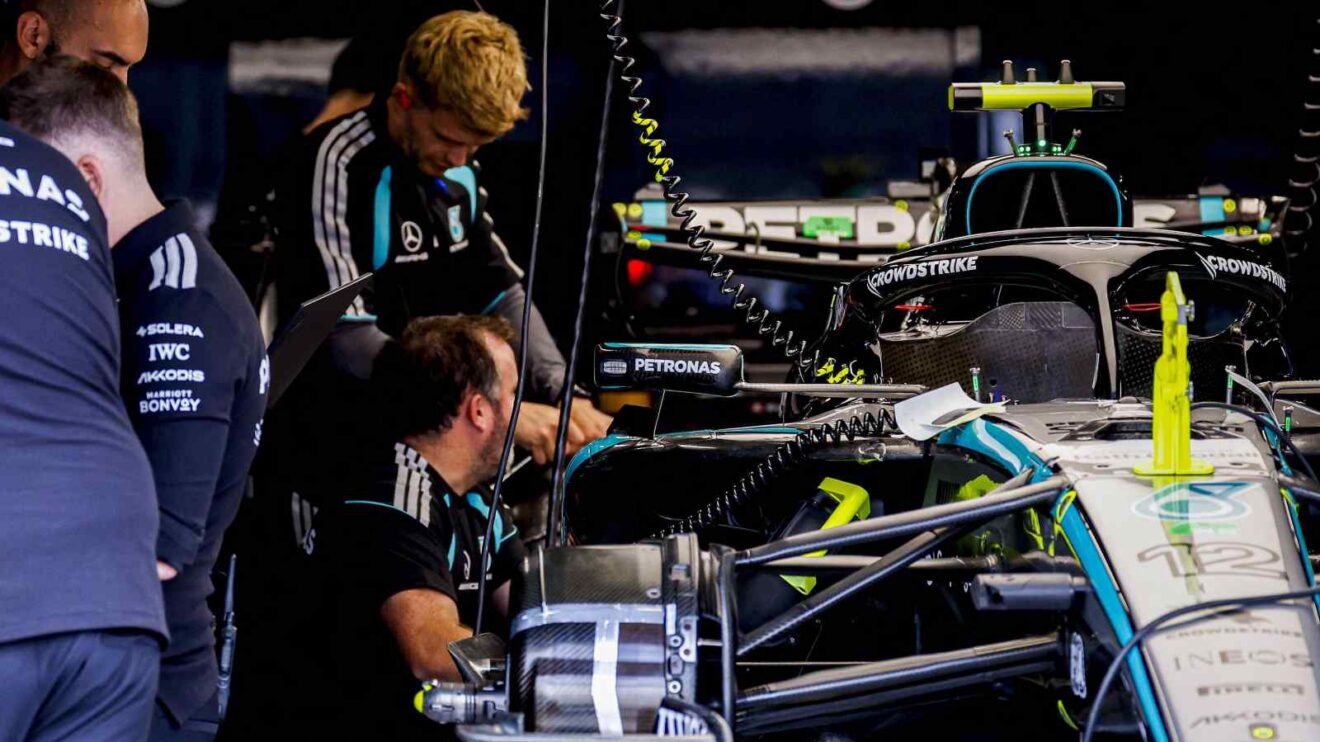
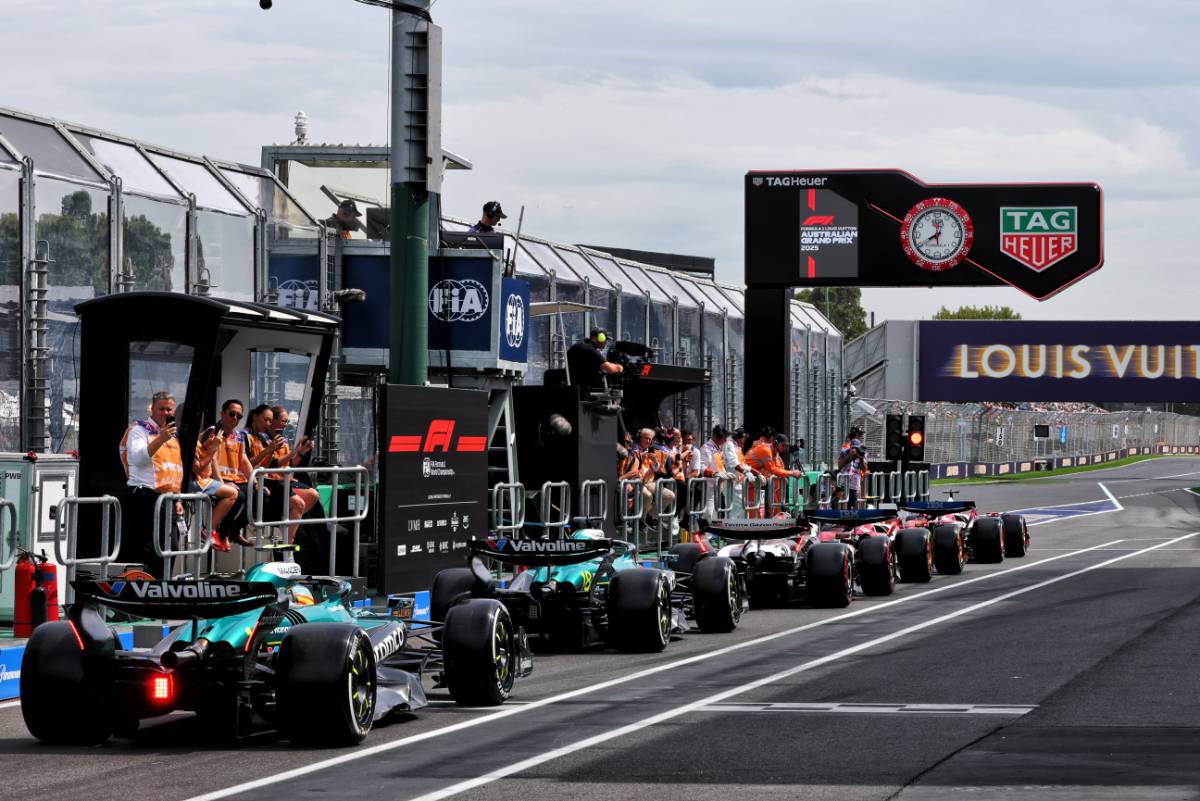
La FIA ha introdotto una modifica regolamentare una tantum per il Gran Premio d'Australia di questo fine settimana, riducendo il limite di velocità in pit lane da 80 km/h a 60 km/h per accogliere il griglia ampliata di 22 vetture con il nuovo team Cadillac. La misura temporanea affronta gli spazi ristretti della pit lane di Albert Park, una delle più strette del calendario, che non può essere fisicamente modificata in tempo per l'evento di quest'anno.
Perché è importante:
Questo aggiustamento è una risposta diretta e immediata alla crescita della Formula 1 a 11 team, evidenziando le sfide pratiche di integrare un nuovo entro nei circuiti esistenti, a volte restrittivi. Dà priorità alla sicurezza in un ambiente di lavoro più stretto, ma funge anche da segnale tangibile dell'espansione dello sport e degli adattamenti logistici richiesti dietro le quinte.
I dettagli:
- Il cambiamento è una conseguenza diretta dell'ampliamento della griglia a 22 vetture con l'arrivo del team di F1 Cadillac, che crea una compressione spaziale nel compatto complesso dei box di Melbourne.
- Il Direttore degli Eventi del Gran Premio d'Australia, Tom Mottram, ha confermato che l'edificio e la corsia dei box sono "uno dei più piccoli del calendario", rendendo il team aggiuntivo una sfida significativa.
- Sebbene gli organizzatori abbiano preparato ospitalità aggiuntiva, spazio di stoccaggio per il carico e spazio sul muro dei box, le dimensioni fisse del garage non potevano essere modificate per il 2025.
- Rallentare il traffico in pit lane è stata ritenuta la misura di sicurezza più pratica dalla FIA per mitigare i rischi di un'area di lavoro più densa e trafficata durante le soste ai box.
Cosa succederà:
Gli organizzatori considerano questa una soluzione di un anno. Con il Gran Premio d'Australia sotto contratto fino al 2037, si prevedono futuri aggiornamenti infrastrutturali ad Albert Park per soddisfare in modo più permanente le esigenze di una griglia più numerosa. La pit lane più lenta di questo fine settimana è un adattamento temporaneo, che simboleggia l'evoluzione continua dello sport e l'atto di bilanciamento tra circuiti storici e le esigenze moderne di un team ampliato.
Articolo originale :https://f1i.com/news/560039-fia-implements-one-off-rule-change-for-australian-gp...