


F1's 2026 revolution: A glossary for the new era
Formula 1 has embarked on its most significant technical revolution in a generation with the 2026 regulations, introducing lighter cars, a radically different power unit split, and a suite of new terms that will define the racing. The changes aim to create closer competition and more overtaking, but they come with complex new challenges for teams and drivers to master.
Why it matters:
This overhaul represents a fundamental reset for the sport, affecting everything from car design and driver technique to race strategy. Understanding the new terminology is key to following the on-track action and the off-track development race, as teams scramble to find advantages within a completely new set of rules that could reshape the competitive order.
The details:
- Active Aerodynamics: Replacing DRS, a new system allows both front and rear wings to switch between low-drag "straight mode" and high-downforce "corner mode" in designated zones, aiming for better stability and overtaking opportunities throughout a race.
- Flat Floors: The ground-effect venturi tunnels are gone, replaced by simpler flat floors that generate significantly less downforce, placing a greater premium on mechanical grip and efficient aerodynamics.
- Overtake & Boost Modes: "Overtake mode" is a push-to-pass button for attacking (within 1 second), while "boost mode" is a manual setting for extra battery power usable in attack or defense.
- The Recharge Challenge: With a near 50/50 power split favoring electrical energy, managing battery recharge is critical. Techniques like "superclipping" (harvesting at full throttle) and lift-and-coast will be essential, categorizing tracks as "energy-rich" or "energy-poor."
- Compression Ratio Controversy: A technical loophole allowing Mercedes to dynamically alter its engine's compression ratio sparked major controversy, leading to a swift regulatory clampdown from June 1st to ensure parity.
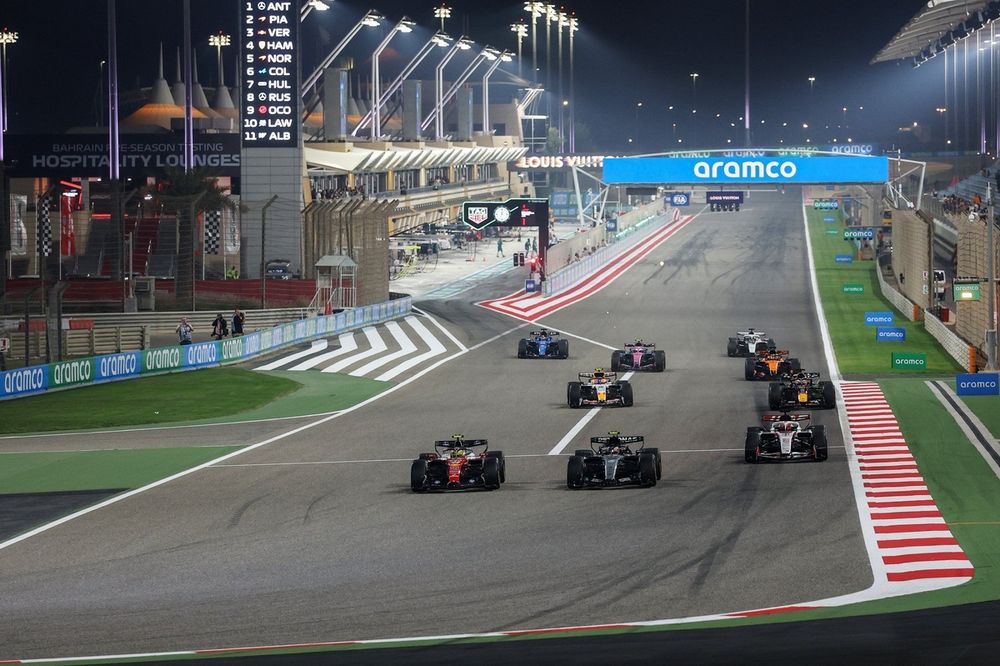
- Turbo Lag Returns: The removal of the MGU-H means race starts are more complex, with drivers needing to pre-spool turbos to overcome lag, making launch procedure a critical and potentially race-defining skill.
What's next:
The early rounds of 2026 will be a massive learning curve. Watch for which teams have best understood the new aerodynamic and energy management concepts, and which drivers adapt quickest to the revised race starts and in-race mode management. Furthermore, the extent of "sandbagging"—hiding true performance in testing—will be revealed, showing who genuinely has a handle on this new era and who is still playing catch-up.
Original Article :https://www.motorsport.com/f1/news/f1-2026-terminology/10801818/