


FIA Admits It Anticipated 2026 Power Unit Criticism But Couldn't Act Sooner
FIA single-seater director Nikolas Tombazis says the governing body saw many of the current driver complaints coming long before the 2026 season began. Binding governance agreements signed in 2022 required a supermajority of power unit manufacturers to approve any changes. When four suppliers refused, the FIA was unable to soften the rules that drivers have since criticized as overly reliant on electric power and complex energy management.
Why it matters:
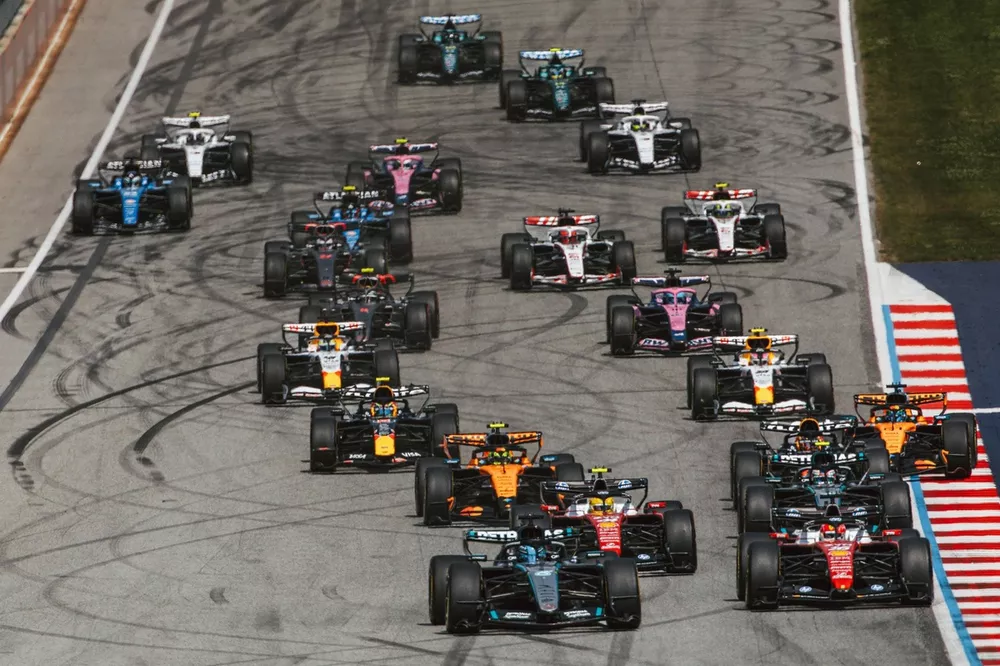
The 2026 regulations were built around a near 50:50 split between internal combustion and electric power to satisfy automotive OEMs. While that secured manufacturer commitment, it introduced on-track compromises. Drivers argue the heavy reliance on algorithms and energy saving—often called "super clipping"—has stripped away racing purity and left grids vulnerable to software glitches.
The details:
- Governance lock: A 2022 agreement bound all power unit suppliers, including new entrants like Audi, to strict financial and operational rules. It also prevented the FIA from rewriting rules without approval from at least four manufacturers.
- Early warnings: Tombazis revealed the FIA identified potential problems through simulations in 2022, but manufacturers had already sunk too many resources into their designs to pivot.
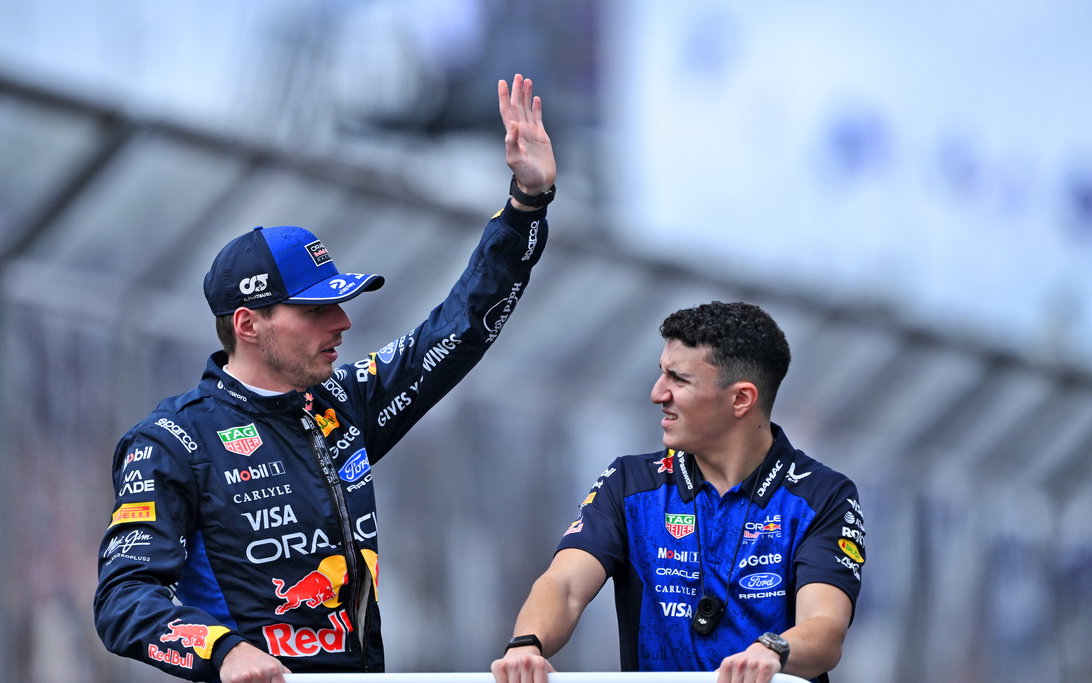
- Driver criticism: Verstappen branded the units "Formula E on steroids" in Bahrain testing, while Piastri argued qualifying was being decided by "computers behaving or misbehaving."
- Track limitations: Energy-hungry venues like Silverstone and Spa exposed the regulations' biggest weaknesses, forcing drivers into excessive lift-and-coast strategies.
What's next:
Adjustments have now been approved for 2027 and 2028 that will gradually shift the power balance to a 60-40 split favoring combustion. Tombazis conceded he would have preferred those changes years ago, but noted that despite early-season teething issues, the racing has remained entertaining with plenty of action, even amid Mercedes' current dominance.
Original Article :https://www.motorsport.com/f1/news/fia-opens-up-on-f1s-2026-rule-issues-heres-wh...