




Ferrari's Vasseur questions FIA's new five‑second start delay after MGU‑H ban
Summary
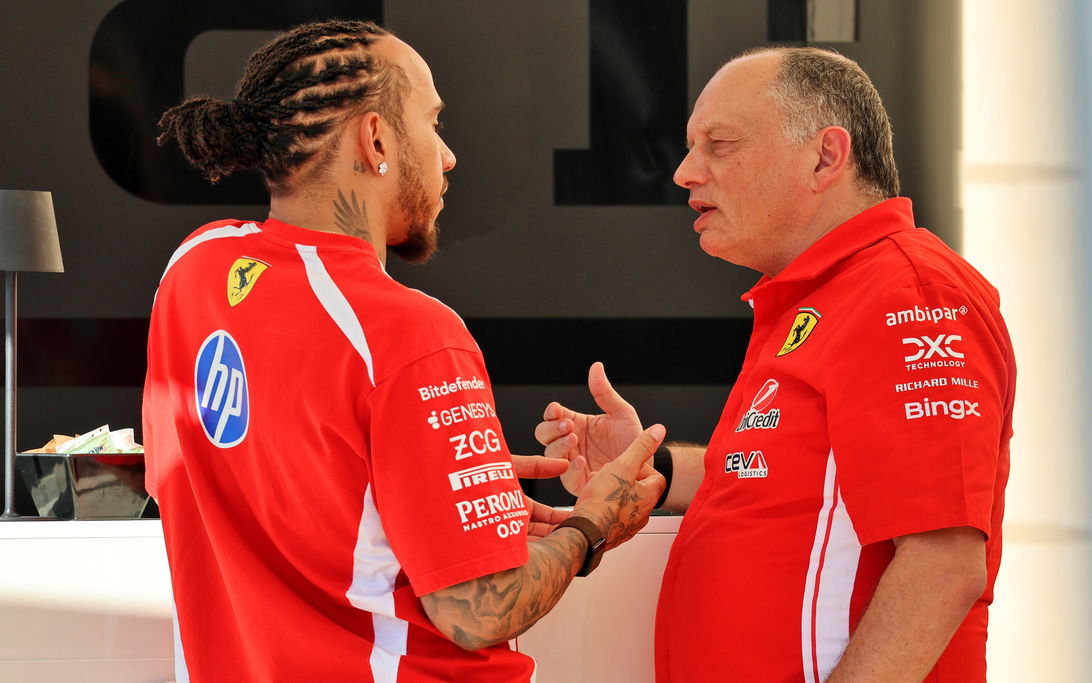
Ferrari boss Fred Vasseur expressed surprise at the FIA’s five‑second start‑light delay introduced for the 2026 cars, which now lack an MGU‑H and face renewed turbo lag. Ferrari’s smaller turbo aims to cut lag, while the pause is meant to improve safety and equalise launches.
Ferrari team principal Fred Vasseur was taken aback by the FIA’s decision to insert a five‑second pause before the start lights for the 2026 cars, which no longer feature an MGU‑H. Without the MGU‑H, turbo lag re‑emerges, forcing teams to redesign turbos and manage start‑line torque. Ferrari has already built a smaller, lighter turbo to cut turbine inertia, but the new hold period adds a safety buffer and levels the playing field.
Why it matters:
- Turbo lag directly influences launch performance; a sluggish start can compromise a driver’s race strategy and increase the risk of collisions.
- The five‑second hold gives every car a guaranteed window to spin the turbo up, helping to equalise start‑line performance across the grid.
- Safety is the headline driver – a slow‑starting car ahead of a fast follower can trigger chain‑reaction incidents at the most congested part of a race.
The details:
- The 2026 technical regulations drop the MGU‑H, removing the electronic motor that previously spooled the turbo at low revs and effectively eliminated lag.
- Ferrari responded by developing a smaller, lighter turbocharger to reduce turbine inertia, aiming to keep the lag to a minimum and preserve a clean getaway.
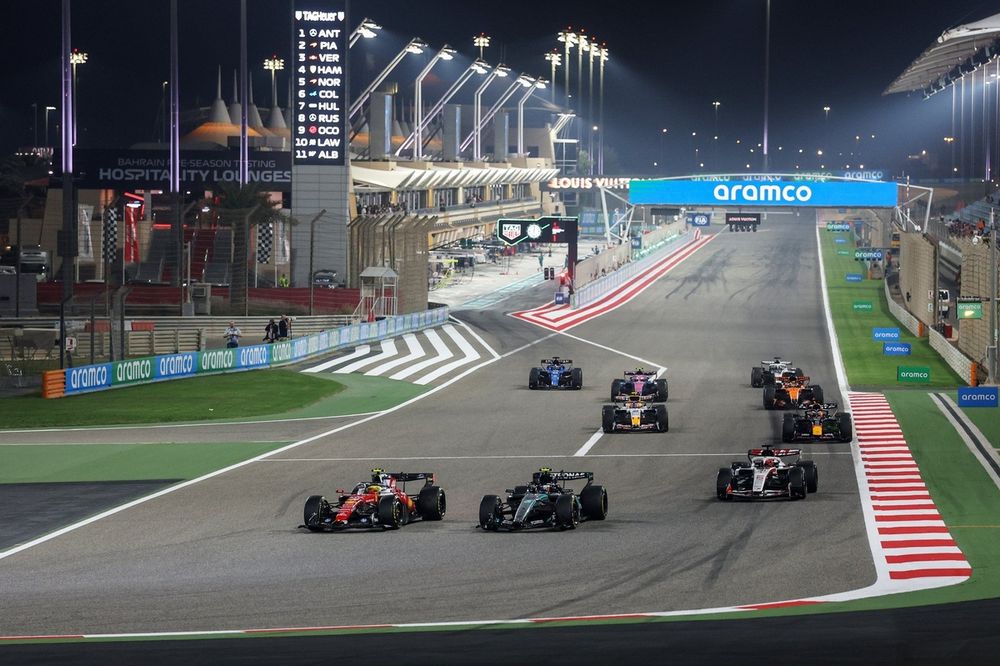
- After successful practice‑start trials in Bahrain, the FIA mandated a mandatory five‑second pause between the moment the last car locks into its grid slot and the illumination of the start lights.
- Vasseur said the change surprised him because the FIA had repeatedly signalled it would not tweak the start procedure, even though teams had been designing around the expected lag from day one.
- Haas team principal Ayao Komatsu, whose outfit runs Ferrari power units, praised the extra pause, noting it smoothed launches in testing and eliminated the safety concerns he initially feared.
What's next:
- The five‑second hold will be monitored in the opening rounds of the 2026 season; data from those races will determine whether the FIA makes the pause a permanent fixture.
- Ferrari and other manufacturers will continue tweaking turbo designs to balance peak power with drivability under the new power‑unit architecture.
- If the delay proves effective, teams may shift focus from aggressive turbo‑spool solutions to broader aerodynamic and chassis improvements, reshaping the competitive landscape for the next era of Formula 1.
Original Article :https://www.motorsport.com/f1/news/fred-vasseur-surprised-by-f1-2026-starting-pr...