



Ferrari's Vasseur defends 2026 F1 rules as 'less artificial' than DRS
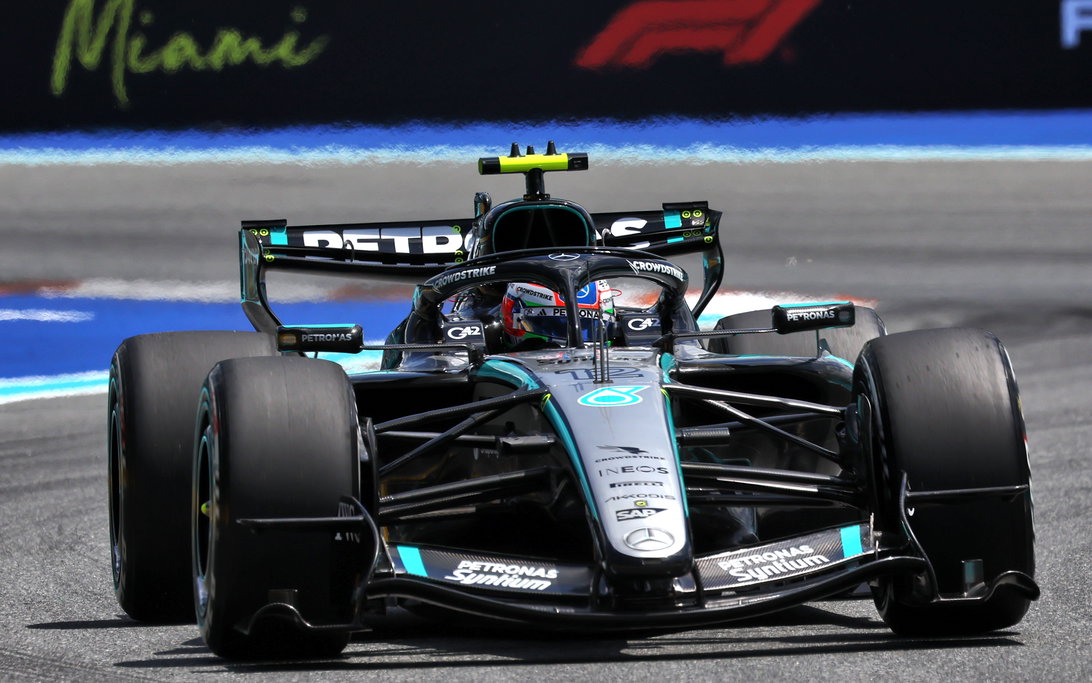
Ferrari Team Principal Fred Vasseur has pushed back against criticism of Formula 1's new 2026 regulations, arguing the energy-management-focused racing is "much less artificial" than the previous DRS era. His comments come as the sport grapples with a new style of 'yo-yo racing' that has dramatically increased overtaking but led some to question the authenticity of the wheel-to-wheel battles.
Why it matters:
The 2026 regulatory overhaul, with its heavy emphasis on electric power and battery management, represents the most significant shift in F1's competitive philosophy in over a decade. How the sport balances innovation, cost control, and the quality of racing will define its appeal for years to come. Vasseur's defense highlights a key divide: whether the new, complex strategic battles are a purer form of competition or a gimmick that devalues a traditional pass.
The details:
- Vasseur's core argument is that the current system, where teams and drivers manage electrical energy deployment to attack or defend, requires more skill than simply pressing a DRS button when within one second of a rival.
- The new rules have undeniably increased overtaking; the Australian Grand Prix saw 120 passes this year compared to 45 in 2025.
- The resulting 'yo-yo' effect—where positions swap back and forth multiple times in a single battle—is the primary source of controversy, with critics saying it makes overtakes feel temporary and less meaningful.
- Audi Team Principal Mattia Binotto echoed Vasseur's supportive stance in Miami, stating drivers are enjoying the format and that it has produced "a great show" and "close fights" for fans.
- The FIA is already acting on feedback, debuting initial tweaks to the rules at the Miami Grand Prix and maintaining an open dialogue with teams for further fine-tuning.
What's next:
The debate over the 2026 rules is far from settled, with key decisions on the horizon that will shape their future.
- The framework for the 2027 power unit regulations is set to be decided by mid-May. One major proposal on the table is adjusting the energy split from the current 50-50 balance between internal combustion and electric power to a 60-40 ratio in favor of the engine.
- Vasseur emphasized that a primary goal of the 2026 change was to reduce the "crazy budget" of power unit development for both manufacturers and customer teams, a financial parameter that will remain central to all future discussions.
- Continued collaboration between the FIA and teams will be crucial to refine the racing product in-season, with all parties expressing a willingness to adapt. The evolution of these rules will test whether F1 can successfully marry its push for sustainable technology with the core spectacle of genuine competition.
Original Article :https://www.motorsport.com/f1/news/fred-vasseur-f1-2026-rules-less-artificial-th...