



Ferrari's strategic energy management secures Leclerc podium in Suzuka duel
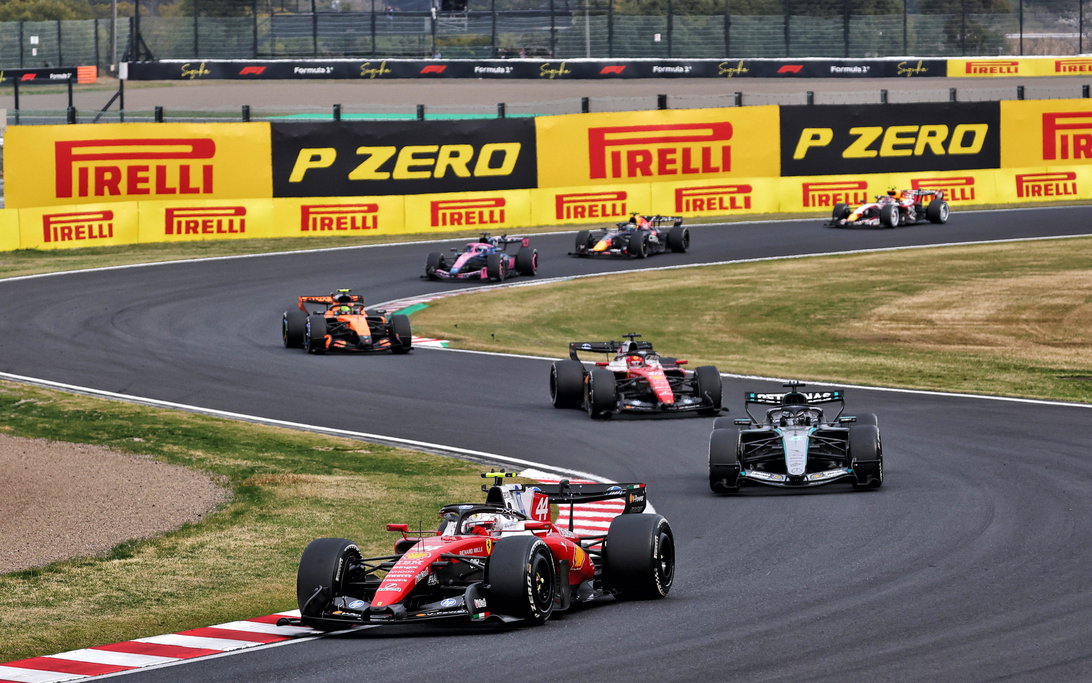
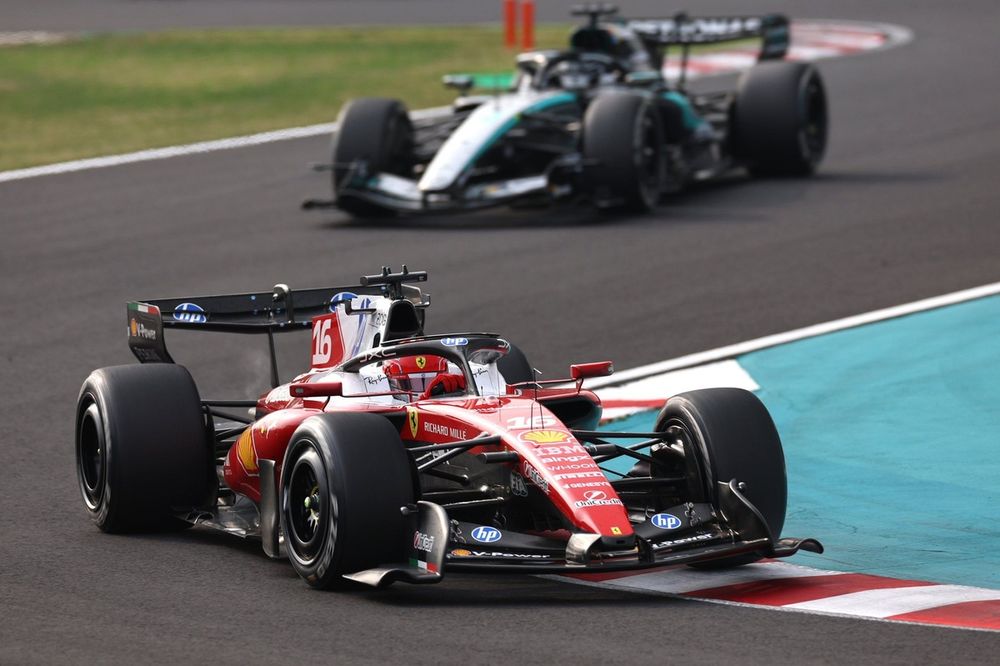
Charles Leclerc secured a hard-fought podium at the Japanese Grand Prix by outsmarting George Russell in a strategic battle defined by the 2026 regulations' complex energy management. On a Suzuka circuit notorious for its difficulty in overtaking, Ferrari's clever deployment of electrical energy allowed Leclerc to defend against a faster Mercedes, highlighting how racecraft has evolved beyond pure car performance.
Why it matters:
The duel underscores a fundamental shift in Formula 1 racing under the new power unit rules, where energy strategy is as critical as aerodynamic efficiency. Ferrari's ability to beat a Mercedes on merit, despite potentially having a slower car in clear air, proves that races can be won or lost in the software and strategy rooms, offering hope for more competitive and tactical battles across the grid.
The Details:
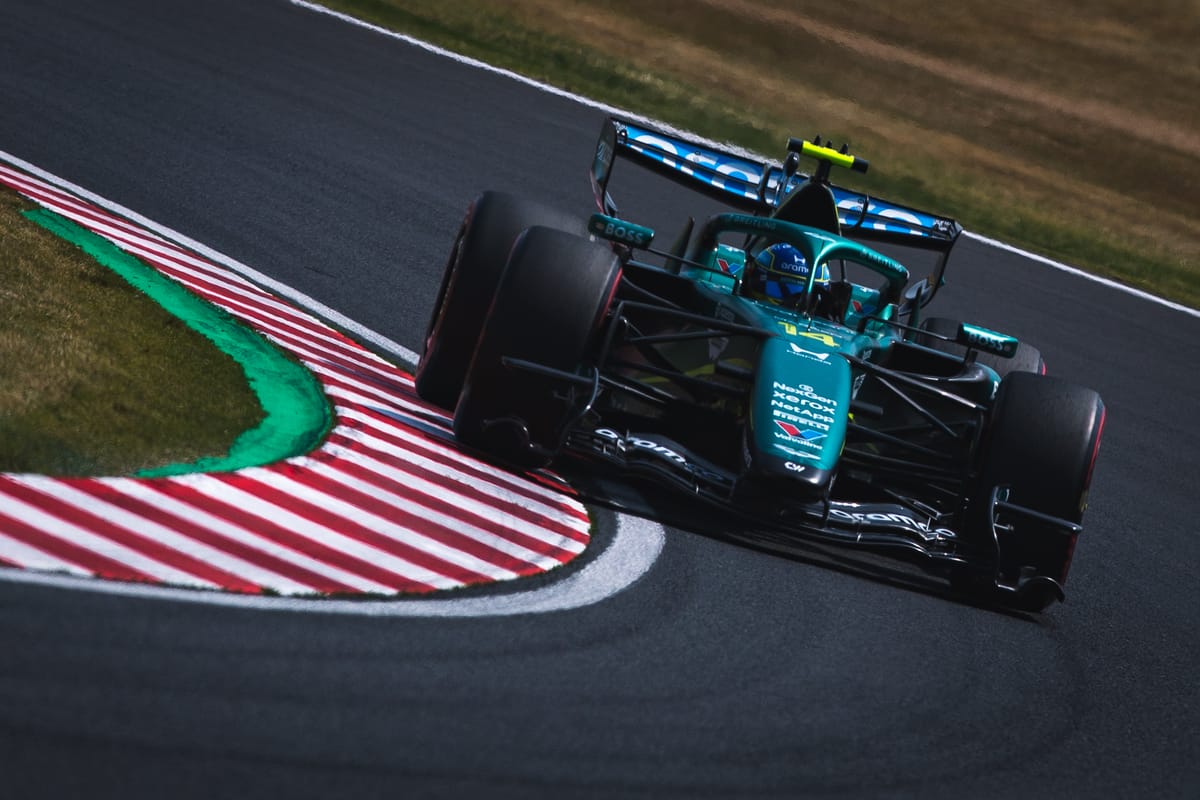
- The Suzuka Challenge: The iconic track remains stunning but offers few genuine overtaking opportunities, a problem exacerbated by the reduction of DRS zones. The 2026 regulations, however, introduced a new dynamic where the overtaking boost can create speed differences of nearly 25 mph, turning energy management into a precise science.
- Ferrari's Defensive Masterclass: Analysis shows Ferrari and Leclerc employed a specific tactic to neutralize Mercedes' straight-line speed advantage.
- They used more electrical deployment exiting the Hairpin to build momentum towards Spoon Corner, forcing the pursuing Mercedes to use more energy to close the gap later in the straight.
- This created a "yo-yo effect," allowing Leclerc to recover enough energy by the final chicane to defend again on the start-finish straight.
- The Overtaking Trap: The regulations can sometimes force a driver's hand. When in overtaking mode, the boost deployment continues even if a driver lifts off the throttle, which can lead to a "forced" pass that consumes excessive energy. This is what happened to Russell when he passed Leclerc on Lap 50, leaving him vulnerable to an immediate counter-attack due to a depleted battery.
- Team Confirmation: Mercedes driver Kimi Antonelli noted the difficulty in passing the Ferraris, stating their energy deployment strategies were "completely different," making it hard to find the right place to attack. Ferrari Team Principal Frederic Vasseur hailed the defensive drive as a crucial morale boost for the team.
What's next:
This race serves as a blueprint for how teams can compete strategically under the new regulations. Ferrari's podium proves that intelligent energy management can offset a car performance deficit, a lesson every team will study closely.
- The focus now shifts to the development race, as Vasseur emphasized the need to "push" and "develop the car" during the long break before the next event.
- As drivers and teams grow more accustomed to the 2026 power units, these intricate energy duels are likely to become a standard, and thrilling, feature of Formula 1.
Original Article :https://www.motorsport.com/f1/news/f1-ferrari-outwits-mercedes-on-energy-how-lec...