






Ferrari draws line on further F1 start rule changes, eyes engine upgrade opportunity
Ferrari team principal Frederic Vasseur has declared "enough is enough" regarding further changes to Formula 1's race-start procedure, defending his team's stance against criticism. Simultaneously, Vasseur indicated Ferrari is positioned to benefit from a new 2026 rule allowing in-season power unit upgrades to close the performance gap to rivals like Mercedes.
Why it matters:
The debate over start procedures highlights the delicate balance between sporting fairness and technical competition in F1. Ferrari's firm opposition, after already adapting to a major pre-season rule change, sets a boundary against constant regulatory shifts that can unfairly punish teams who master the current rules. Meanwhile, the potential for in-season engine development introduces a new dynamic for catching up, making the 2026 championship a more fluid and strategically complex battle.
The details:
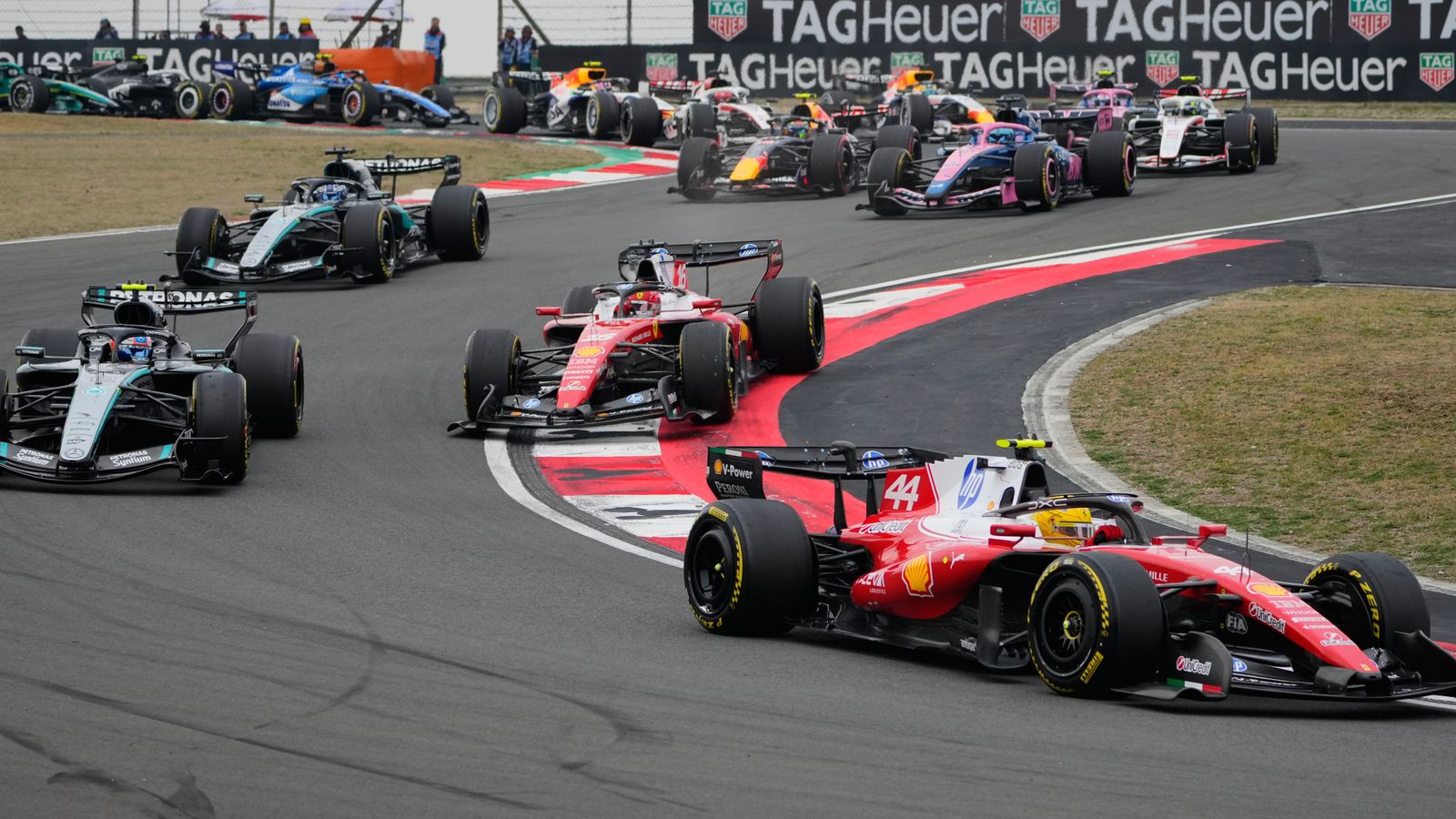
- Vasseur pushed back against suggestions, implied by George Russell, that Ferrari was being "selfish" for blocking further tweaks after its strong starts in Australia and China.
- He revealed Ferrari had previously warned the FIA that the new power unit regulations would make starts difficult, but was told to design a car to fit the rules, not change rules to fit the car.
- The team then adapted to the introduced five-second 'pre-start' procedure and blue light system, which Vasseur said "didn't help us at all."
- On the Engine Front: Vasseur downplayed the impact of tightened engine compression ratio tests coming in June, a rule change Ferrari had pushed for to address a perceived Mercedes loophole.
- He highlighted the greater significance of the new Additional Development and Upgrade Opportunities (ADUO) system. This allows manufacturers lagging by at least 2% in ICE performance to earn upgrade windows, with the first opportunity arriving after the sixth race.
What's next:
The immediate focus shifts to the Japanese Grand Prix, where starts and straight-line speed will again be critical. For the longer term, the ADUO system creates a strategic pathway for Ferrari to recover its engine deficit.
- Vasseur admitted Ferrari's main performance gap is "mainly in the straight line," but emphasized the need to improve everywhere—chassis, tires, and energy management—not just on a single parameter.
- The coming races will test if Ferrari's incremental gains (reducing the gap from eight-tenths in Melbourne to four-tenths in China qualifying) can continue, and whether the team can capitalize on its first ADUO opportunity to mount a sustained challenge.
Original Article :https://www.skysports.com/f1/news/12433/13520890/ferrari-say-enough-is-enough-ov...