


Ferrari delays 'Macarena' wing debut after cautious Shanghai test
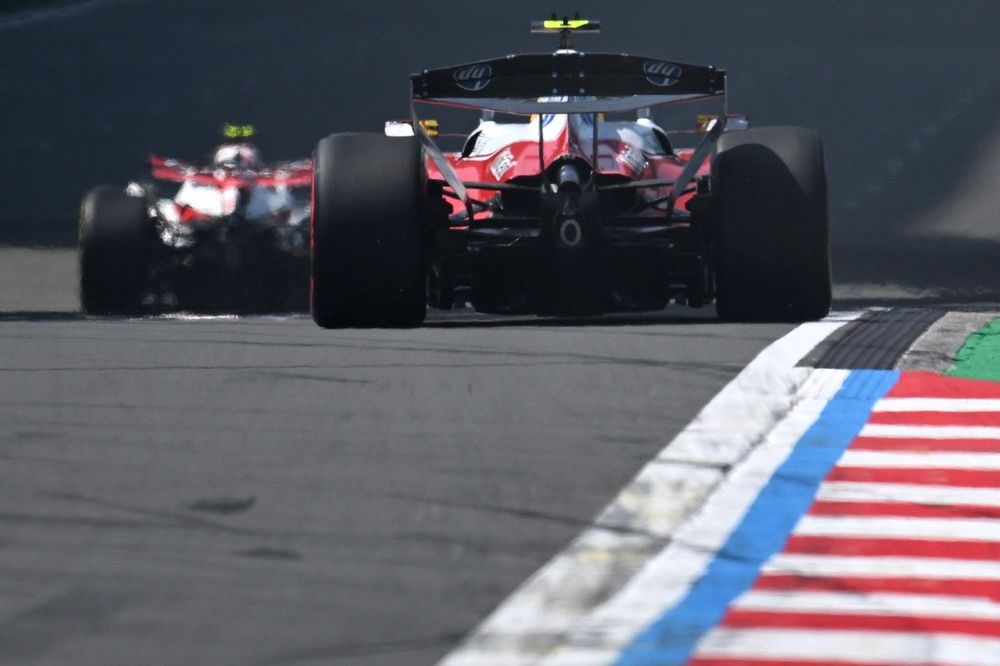
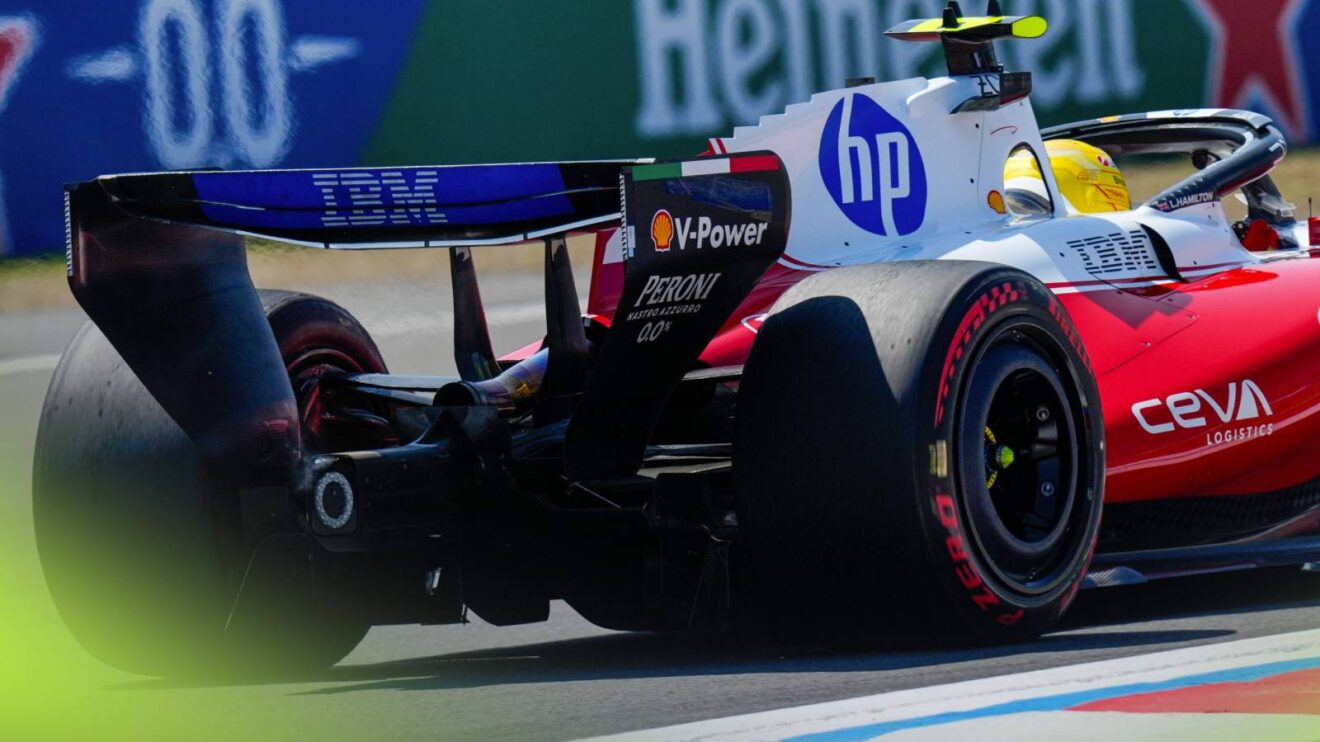
Ferrari has postponed the competitive debut of its radical 'Macarena' active rear wing after a cautious single practice session test at the Chinese Grand Prix. The team deemed the performance advantage insufficient to justify the reliability risk against a dominant Mercedes, opting to gather more data before a full weekend rollout.
Why it matters:
The wing represents Ferrari's aggressive and unconventional interpretation of F1's 2026 active aerodynamics rules. Its successful development could provide a significant technical edge, but a premature introduction risks costly failures. The delay highlights the high-stakes balancing act between innovation and reliability in the current competitive landscape.
The details:
- The 'Macarena' wing, named for its distinctive rotating flap movement, was briefly run during FP1 in Shanghai but removed for the rest of the weekend.
- Technical Novelty: Unlike conventional designs that simply flatten, Ferrari's wing rotates the entire rear flap backward for its low-drag configuration, a more complex movement aimed at greater aerodynamic efficiency.
- Testing Constraints: With in-season testing banned, teams must use practice sessions to evaluate new parts, forcing Ferrari's limited Shanghai run.
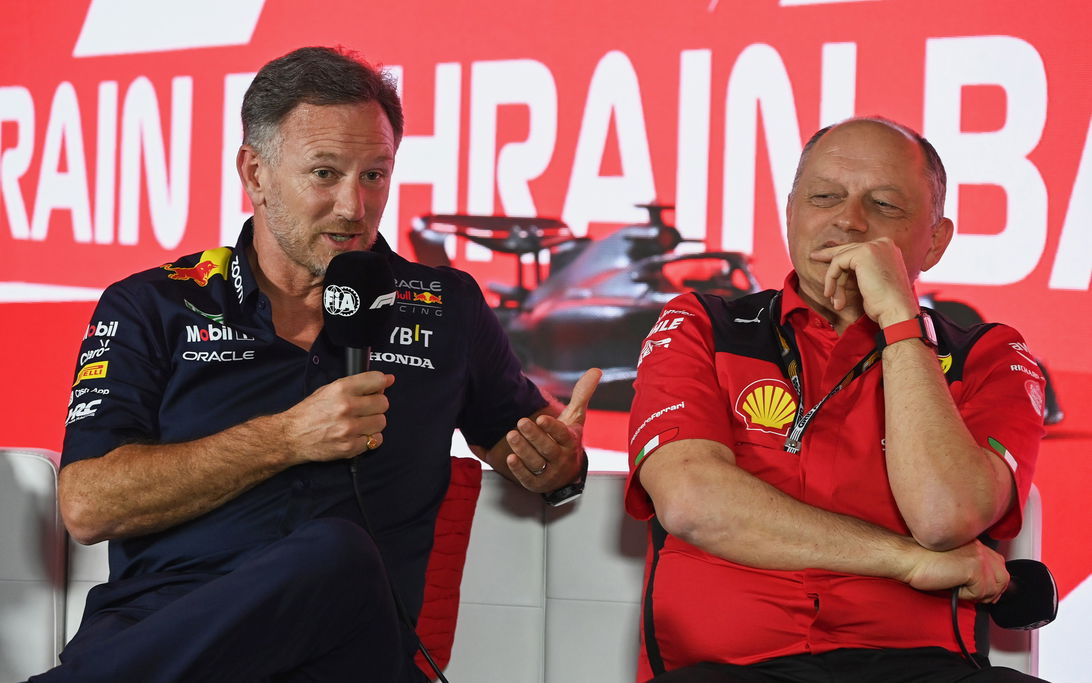
- Primary Concerns: Team boss Fred Vasseur cited insufficient mileage as the key reason for the delay. While downforce re-attachment is not a concern, the team seeks more data on the system's behavior during the mandated 400-millisecond transition between modes, especially under braking and steering.
- Risk vs. Reward Analysis: Team sources indicated a "95 percent" confidence in reliability, but the single-point-of-failure actuator system and a perceived performance gap to Mercedes made a DNF risk unacceptable for the potential gain.
What's next:
Ferrari plans further practice session tests, potentially as soon as the Japanese Grand Prix, to accumulate crucial mileage. The initial target for a competitive debut was the cancelled Bahrain season opener, making the Miami Grand Prix a logical new candidate for its full introduction. The development remains on track, but its race readiness hinges on passing rigorous reliability checks and demonstrating a clear performance benefit worthy of the inherent risk.
Original Article :https://www.planetf1.com/news/ferrari-macarena-wing-explained-delayed-f1-2026-re...