





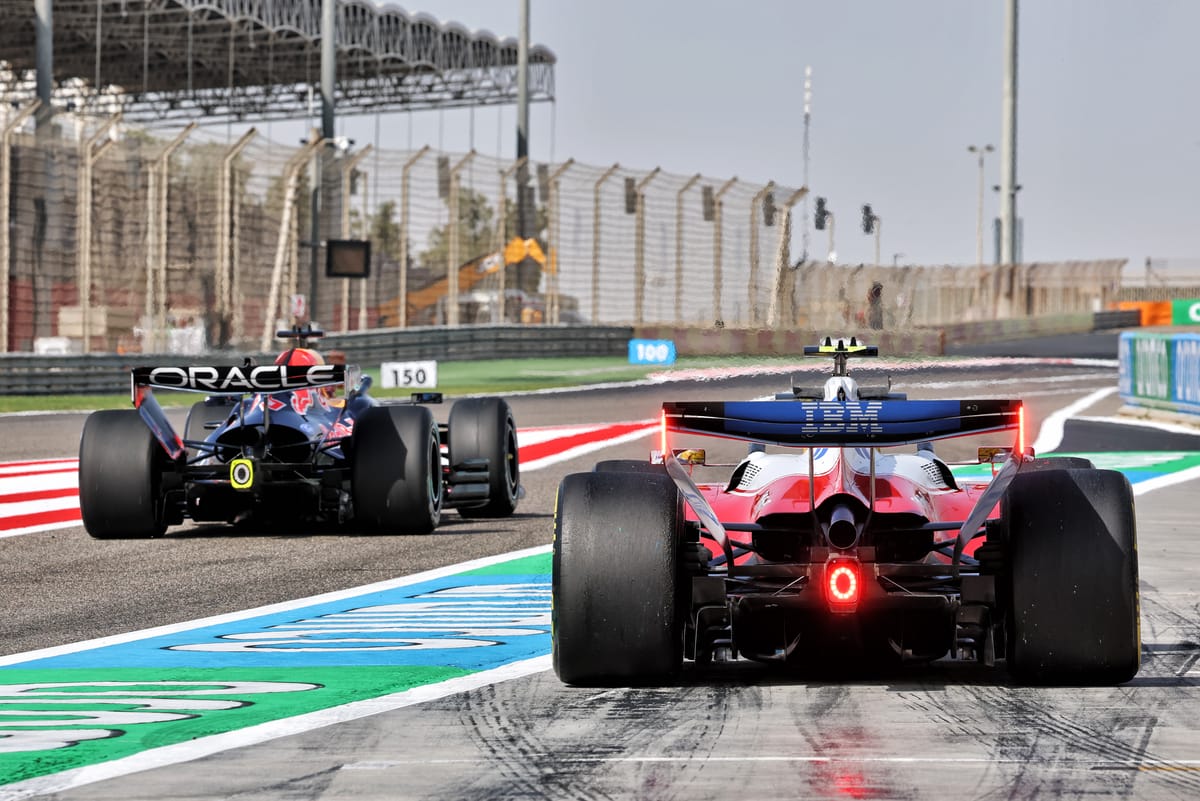
Ferrari blocked F1 start procedure change amid 2026 safety concerns
Formula 1 is set to revisit discussions about altering the race start procedure for the 2026 season after initial attempts were blocked by Ferrari, driven by emerging safety concerns over the complex new launch process. Drivers are struggling with a demanding 10-second turbo spool-up requirement, increasing the risk of botched getaways and potential accidents at the race start.
Why it matters:
The start of a Grand Prix is one of the most critical and high-risk moments of the event. A significant increase in procedural complexity directly threatens safety, with data suggesting a high probability of at least one car having a major issue per race. How the sport manages this new technical challenge will set a precedent for balancing innovation with driver safety and sporting fairness.
The Details:
- The Core Problem: The 2026 power unit regulations require drivers to manually spool the turbo for approximately 10 seconds before the lights go out to minimize turbo lag, all while managing battery state-of-charge. This adds multiple layers of mental and physical tasks during a high-pressure moment.
- Driver Feedback: Drivers like Audi's Gabriel Bortoleto have called the process "a mess," highlighting the difficulty of counting seconds while managing clutch and engine revs. Valtteri Bottas raised specific concerns for drivers at the back of the grid, who may not have enough time to complete the procedure after the final car is in position.
- Safety Data: Analysis from testing indicates roughly 1 in 20 practice starts are being fumbled. This translates to a near-certain chance of at least one car having a severely compromised launch in every race, creating a dangerous speed differential into the first corner.
- Regulatory Constraints: Current rules prevent the MGU-K from providing power assistance until the car reaches 50 km/h and only allow it to charge the battery when stationary. This forces a complete reliance on the internal combustion engine for the initial launch, making the turbo spool-up phase critical.
Between the lines:
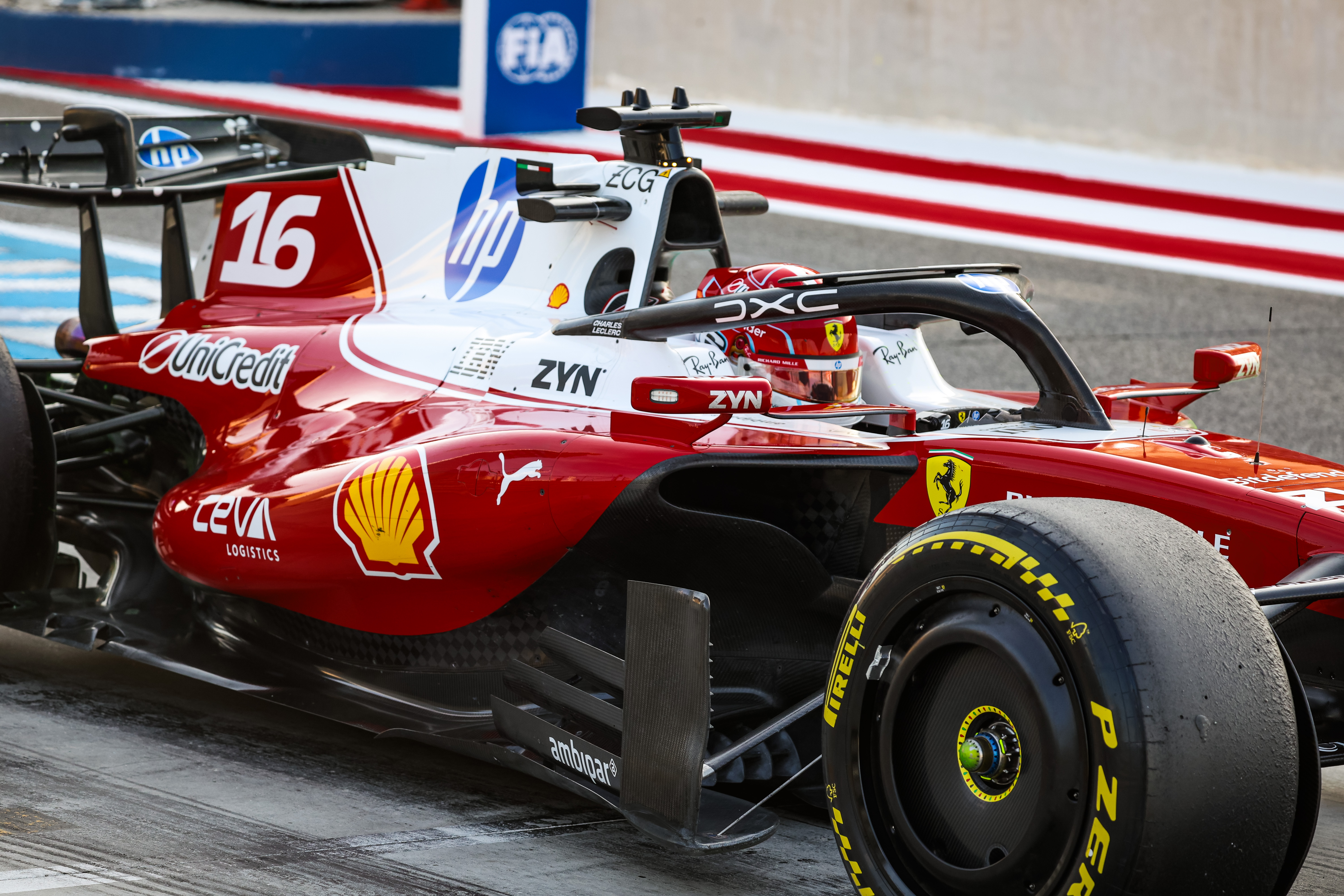
Ferrari's opposition to a rule change last summer, led by Team Principal Fred Vasseur, reveals a strategic divide. Vasseur argued that turbo lag challenges were known during the power unit design phase, and teams that made concept choices ill-suited to the original start regulations should not be bailed out. This suggests Ferrari's 2026 engine design may inherently minimize turbo lag, giving them a potential competitive advantage on race starts that they are unwilling to compromise through a procedural change.
What's next:
The issue is likely to be raised at the upcoming F1 Commission meeting. Discussions will center on two potential fixes:
- Introducing a mandatory minimum time between the final car forming up on the grid and the start light sequence beginning.
- Revising the electrical energy deployment rules to allow some battery power use from a standstill, reducing the dependency on the lengthy turbo spool-up. Any change will require navigating Ferrari's resistance and finding a consensus that addresses the clear safety issue without unfairly penalizing teams that engineered solutions within the original framework.
Original Article :https://www.the-race.com/formula-1/ferrari-blocked-f1-race-start-change-what-you...
