



Mercedes' 2026 Engine Loophole Sparks Clever Games Accusation
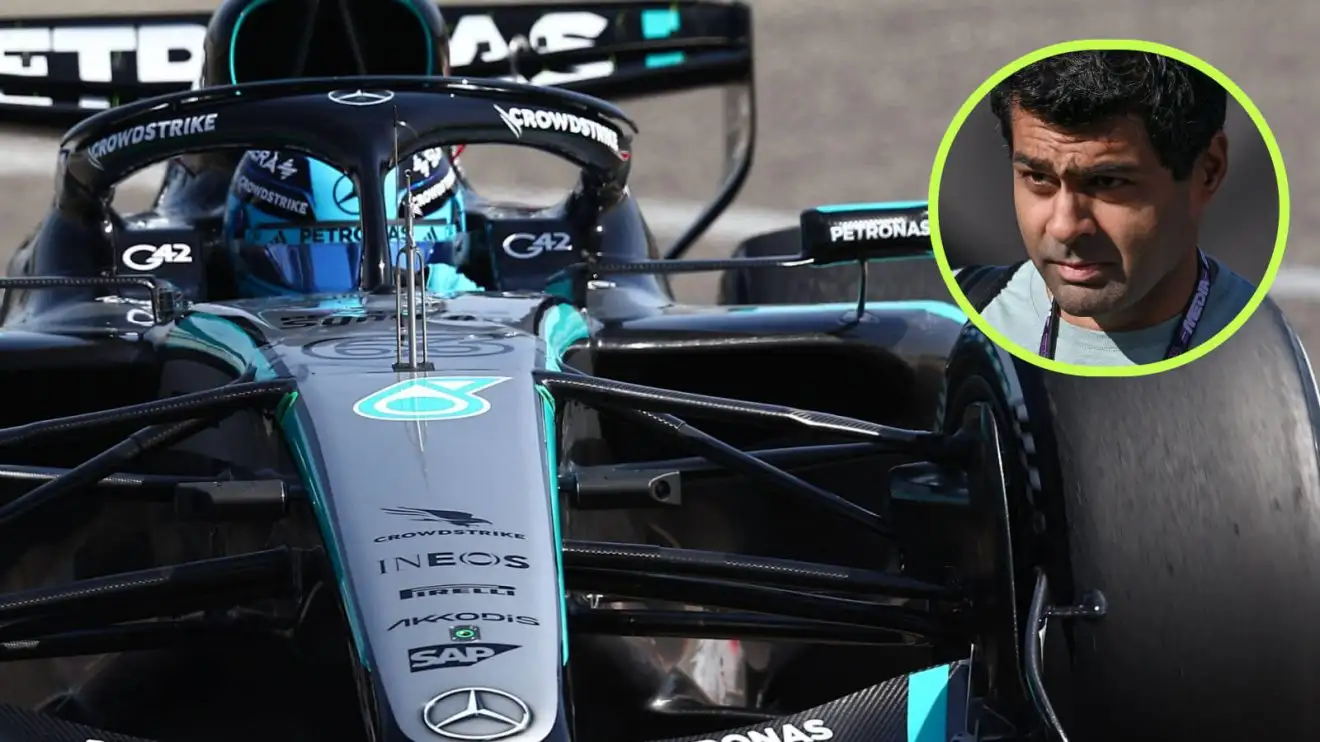
Mercedes faces accusations of political maneuvering as rivals push to close a potential 2026 power unit loophole related to engine compression ratios. Team Principal Toto Wolff has simultaneously talked up Red Bull's engine as the benchmark, a move former F1 driver Karun Chandhok calls a "clever game" to deflect attention ahead of a crucial vote.
Why it matters:
The controversy strikes at the heart of Formula 1's technical and political landscape ahead of a major regulation change. How this dispute is resolved will set a precedent for interpreting the 2026 rules and could significantly impact the competitive order before the new cars even hit the track, making it a high-stakes battle over future performance.
The Details:
- The core issue involves the technical regulation defining engine compression ratio at 16:1 in "ambient" conditions. Mercedes is alleged to have found an interpretation that allows its engine to run at a higher, more efficient ratio of up to 18:1 when at operating temperature on track.
- The performance gain is disputed, with estimates ranging from a modest 3bhp to a substantial 15bhp, which could translate to a lap time advantage of up to four-tenths of a second.
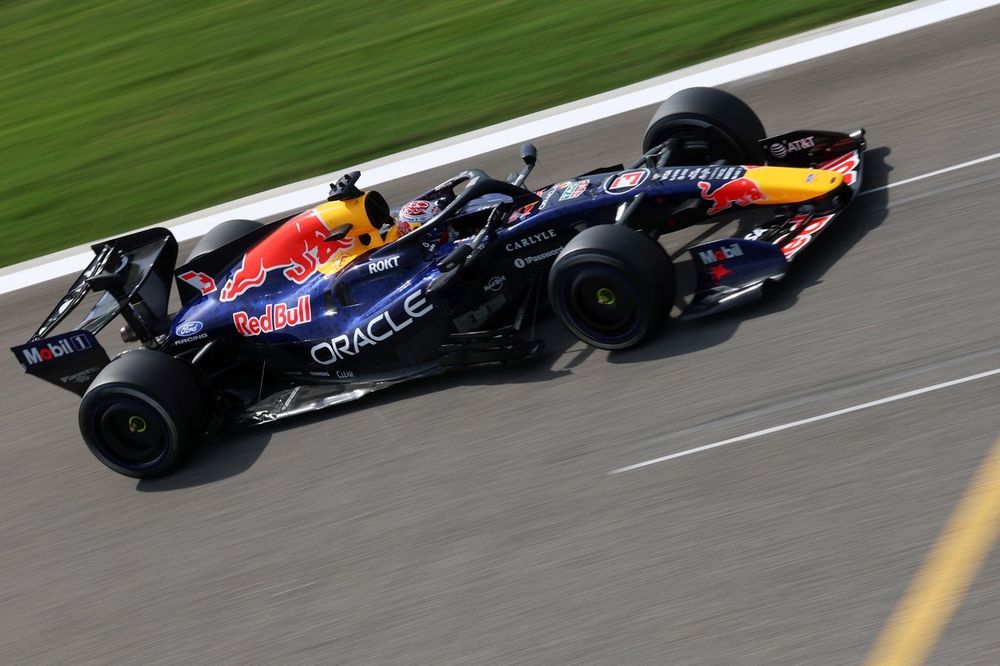
- In a strategic counter-move, Toto Wolff publicly declared Red Bull Powertrains' new engine as the current "benchmark," praising its superior energy deployment that he claims is worth "a second a lap over consecutive laps."
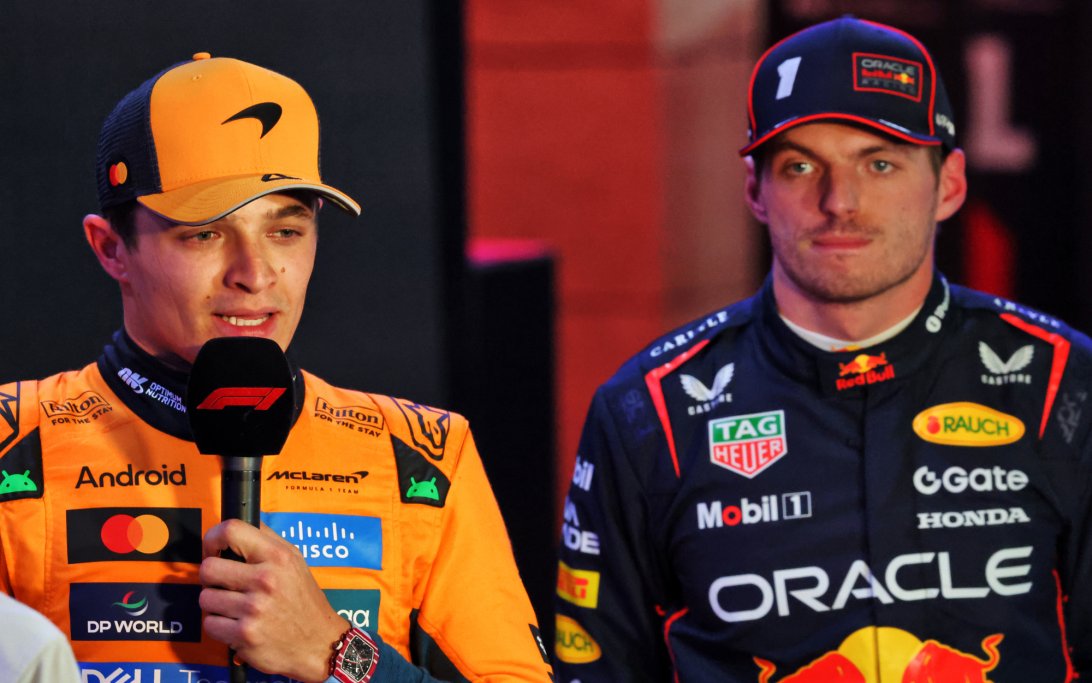
- Karun Chandhok labeled this public praise a political tactic, suggesting Mercedes is playing "clever games" to avoid being singled out by a united opposition from Ferrari, Audi, Honda, and Red Bull Powertrains, who all seek a rules clarification.
- The dispute may be settled by a vote requiring a supermajority. If four of the five engine manufacturers, plus the FIA and F1 management, agree on a change to the measurement method, it will be enforced regardless of Mercedes' position.
What's next:
Wolff has stated Mercedes will not take legal action if the vote goes against them, committing to respect the sport's governance. The focus now shifts to whether rivals can unite to form the required supermajority to amend the regulation before homologation. The outcome will reveal not just a technical clarification, but the balance of political power in the paddock as the 2026 season approaches.
Original Article :https://www.planetf1.com/news/mercedes-f1-2026-engine-compression-ratio-debate