




F1 Title Race Turnarounds: What History Tells Max Verstappen
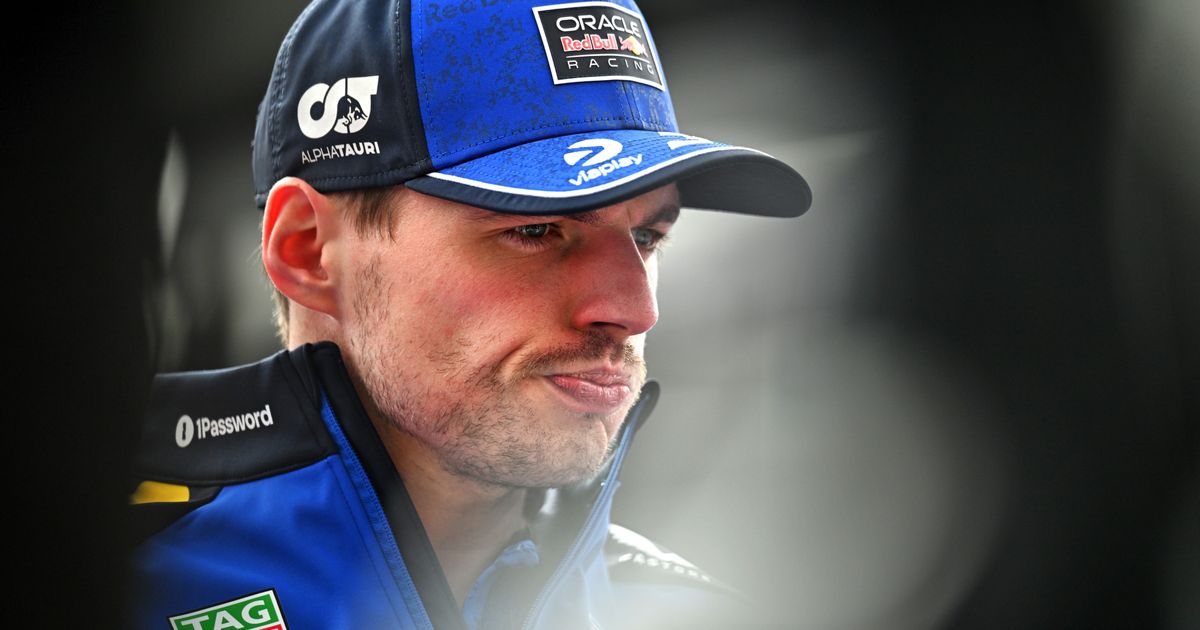
Max Verstappen's current challenge to overcome a significant points deficit isn't unprecedented in Formula 1 history. Several legendary drivers have mounted remarkable comebacks, offering a historical lens through which to view Verstappen's pursuit of the F1 title.
Why it matters:
- F1 history is rich with dramatic title race turnarounds, demonstrating that early season leads are not always definitive.
- Understanding these past scenarios can provide context and hope for drivers facing large points deficits, like Max Verstappen.
- These historical examples highlight the combination of consistent performance, car development, and rivals' misfortunes required for such comebacks.
The Details:
-
1979: Alan Jones' Late Surge
- Race 9: 13th in standings, 25-point deficit.
- Race 12: 3rd in standings, 10-point deficit.
- Outcome: Finished 3rd, 11 points behind.
- Jones, driving for Williams, scored only four points in the first half but became a dark horse with the new FW07, taking three consecutive wins.
- Despite his incredible run, a complex points system ultimately ruled him out of contention, underscoring how rules can influence championship outcomes.
-
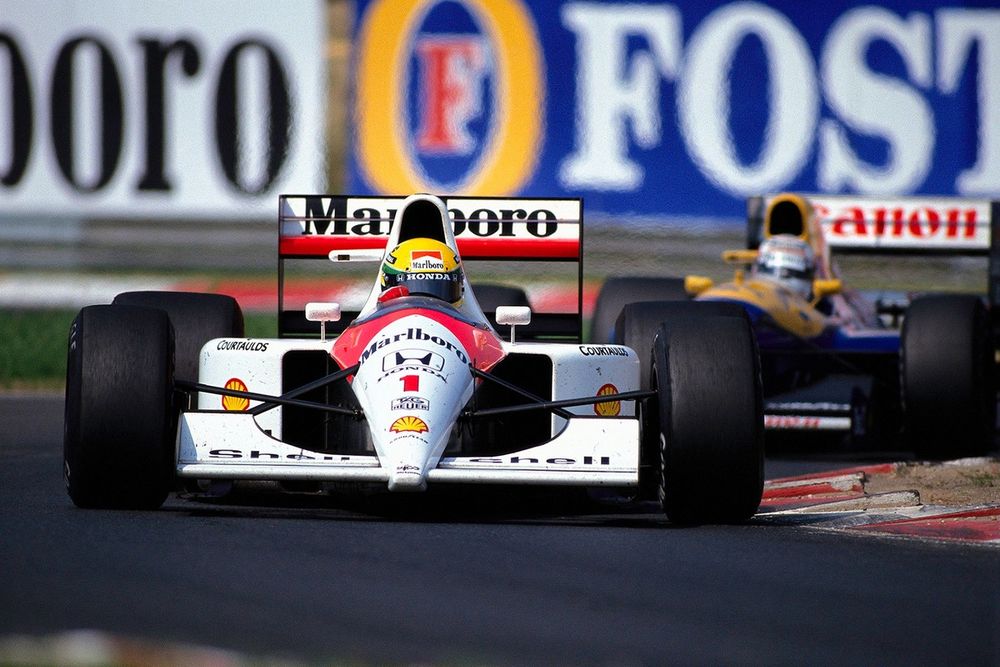
1991: Mansell Challenges Senna
- Race 5: 7th in standings, 33-point deficit.
- Race 9: 2nd in standings, 8-point deficit.
- Outcome: Finished 2nd, 24 points behind.
- Ayrton Senna began with four straight wins, but Nigel Mansell, with the potent Williams FW14, closed the gap with multiple victories.
- Reliability issues plagued Mansell's challenge, including a notorious gear selection problem in Canada and a disqualification in Portugal, allowing Senna to regain control.
-
2000: Hakkinen's Fight Against Schumacher
- Race 8: 3rd in standings, 24-point deficit.
- Race 13: 1st in standings, 6-point advantage.
- Outcome: Finished 2nd, 19 points behind.
- Michael Schumacher dominated early, but three consecutive retirements opened the door for Mika Hakkinen, who capitalized with strong finishes and wins.
- Hakkinen briefly led the championship but Schumacher's ruthless streak of winning the final four races, combined with Hakkinen's mechanical and penalty setbacks, secured the title for Ferrari.
-
2006: Schumacher's Near Eighth Title
- Race 9: 2nd in standings, 25-point deficit.
- Race 16: 1st in standings, equal points.
- Outcome: Finished 2nd, 13 points behind.
- Fernando Alonso showed immense consistency early on. Schumacher, despite some incidents, clawed back a 25-point deficit over seven races with five dominant victories.
- A critical engine failure for Schumacher while leading in Suzuka handed Alonso a decisive advantage, preventing an unprecedented eighth title.
-
2012: Vettel Denies Alonso in a Thriller
- Race 13: 4th in standings, 39-point deficit.
- Race 17: 1st in standings, 13-point advantage.
- Outcome: Finished 1st, 3 points ahead.
- Fernando Alonso's exceptional driving in a less-than-dominant Ferrari built a substantial lead in a chaotic season.
- Sebastian Vettel, however, staged a powerful late-season comeback with four consecutive wins, leveraging the Red Bull's improved pace. A first-lap collision in the final race didn't stop Vettel from securing his third title.
The Big Picture:
These historical precedents reveal several common threads in F1 title turnarounds:
- Car Development and Performance: A significant mid-season upgrade or consistent performance edge (like the Williams FW07 or Red Bull RB8) is often crucial.
- Rivals' Misfortunes: Reliability issues, crashes, or strategic errors by leading contenders frequently create opportunities for those chasing.
- Driver Consistency and Pressure: Drivers who can consistently score points and maintain composure under pressure are best positioned to capitalize on opportunities.
What's Next:
While Max Verstappen faces his own unique challenges, history offers a blueprint for how championship battles can shift dramatically. The key for Verstappen will be to leverage any potential performance gains from Red Bull's development, maintain flawless driving, and capitalize on any missteps from his rivals. The F1 season is long, and as these examples show, a significant points deficit is far from an insurmountable obstacle, setting the stage for a potentially thrilling conclusion to the current season.
Original Article :https://www.motorsport.com/f1/news/history-max-verstappen-title-race-turnaround/...