




F1 Technology Transitions from Race Tracks to Battlefields and Hospitals
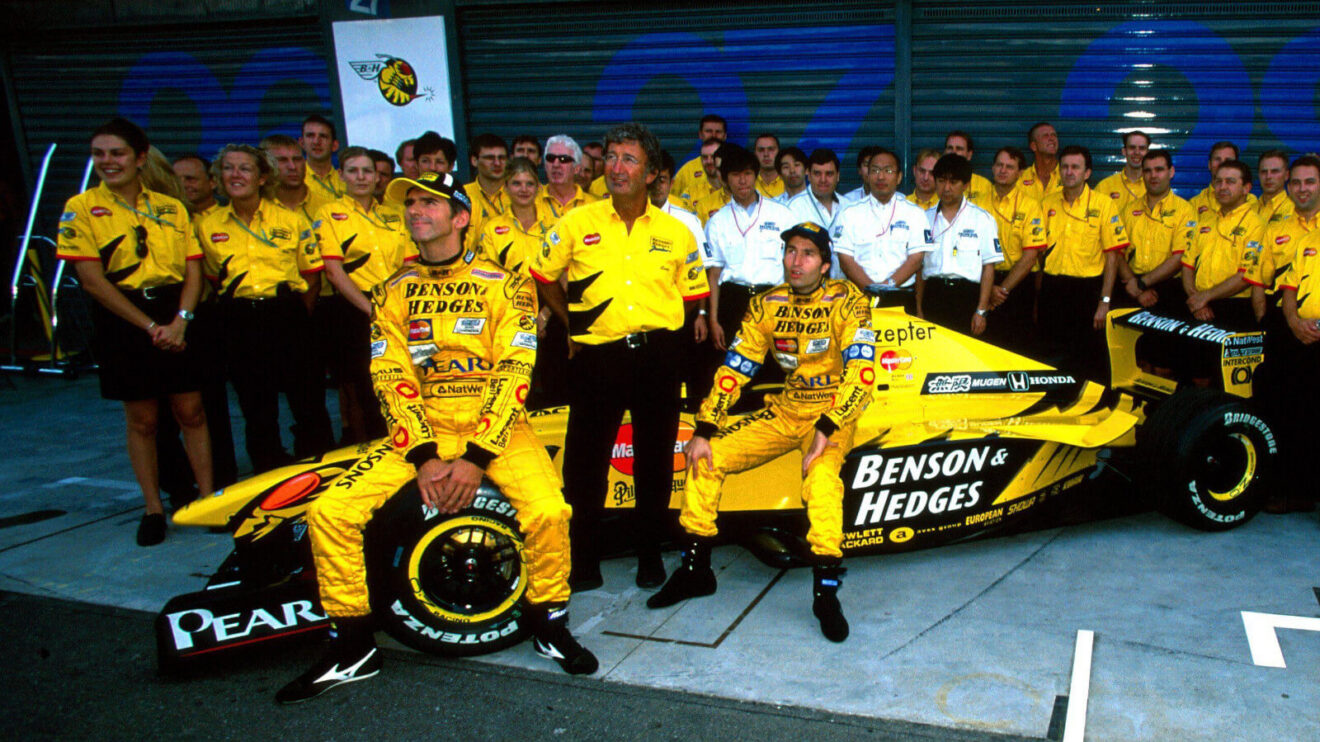
Mike Gascoyne, the former technical lead for Jordan, McLaren, and Renault, is pivoting his expertise from the paddock to the defense sector. Through MGI Engineering, Gascoyne is transforming the high-speed innovation of Formula 1 into long-range military assets, proving that the pursuit of milliseconds has profound applications far beyond the race track.
Why it matters:
F1 operates as a global R&D accelerator. The industry's ability to iterate rapidly and spend aggressively on marginal gains creates a technological leap that often stays decades ahead of traditional sectors. Applying this "fail-fast, innovate-faster" mentality to defense and healthcare can fundamentally change operational success and patient outcomes.
The Details:
- Autonomous Defense: MGI Engineering has developed the Tigershark and Skyshark drones, utilizing lightweight composite solutions to outperform competitors in both speed and weight.
- Sensor Integration: These drones employ F1-grade sensors for battlefield mapping, providing a critical fail-safe when GPS navigation systems are jammed.
- Strategic Partnerships: The UK government has selected MGI as one of three primary suppliers to provide critical long-range strike capability missiles.
The Big Picture:
This cross-pollination extends into the medical field, where Ferrari recently partnered with Great Ormond Street Hospital to overhaul patient handover processes using pit-stop logic.
- Operational Overhaul: By appointing a clear leader—similar to an F1 "lollipop man"—and streamlining workflows, the hospital identified critical inefficiencies in the handover process.
- Measurable Impact: The results were significant, leading to a 42% reduction in technical errors and 49% fewer information omissions, directly saving lives through racing-inspired precision.
What's next:
As we progress through 2026, the integration of F1's carbon-fiber expertise and data-driven efficiency will likely expand further. The transition from "race-winning" to "mission-critical" marks a new era where motorsport's intellectual property serves as the foundation for national security and public health infrastructure.
Original Article :https://www.planetf1.com/news/f1-tech-battlefield-winning-cars-military-drones