







F1 teams may use China sprint as energy management test
The sprint format at this weekend's Chinese Grand Prix is forcing F1 teams to make strategic compromises, with limited practice time potentially turning Saturday's shorter race into a live test session for critical energy management strategies. With only one hour of practice before sprint qualifying, teams have minimal opportunity to experiment with the complex battery recharging modes introduced by the 2026 power unit regulations, pushing them to rely heavily on simulations and strategic gambles.
Why it matters:
Energy management has emerged as a decisive performance differentiator under the new regulations, directly influencing race strategy and lap time. The compressed sprint weekend format amplifies this challenge, testing a team's ability to optimize a critical performance parameter with almost no real-world data. How teams adapt could define the competitive order for the entire Shanghai event.
The details:
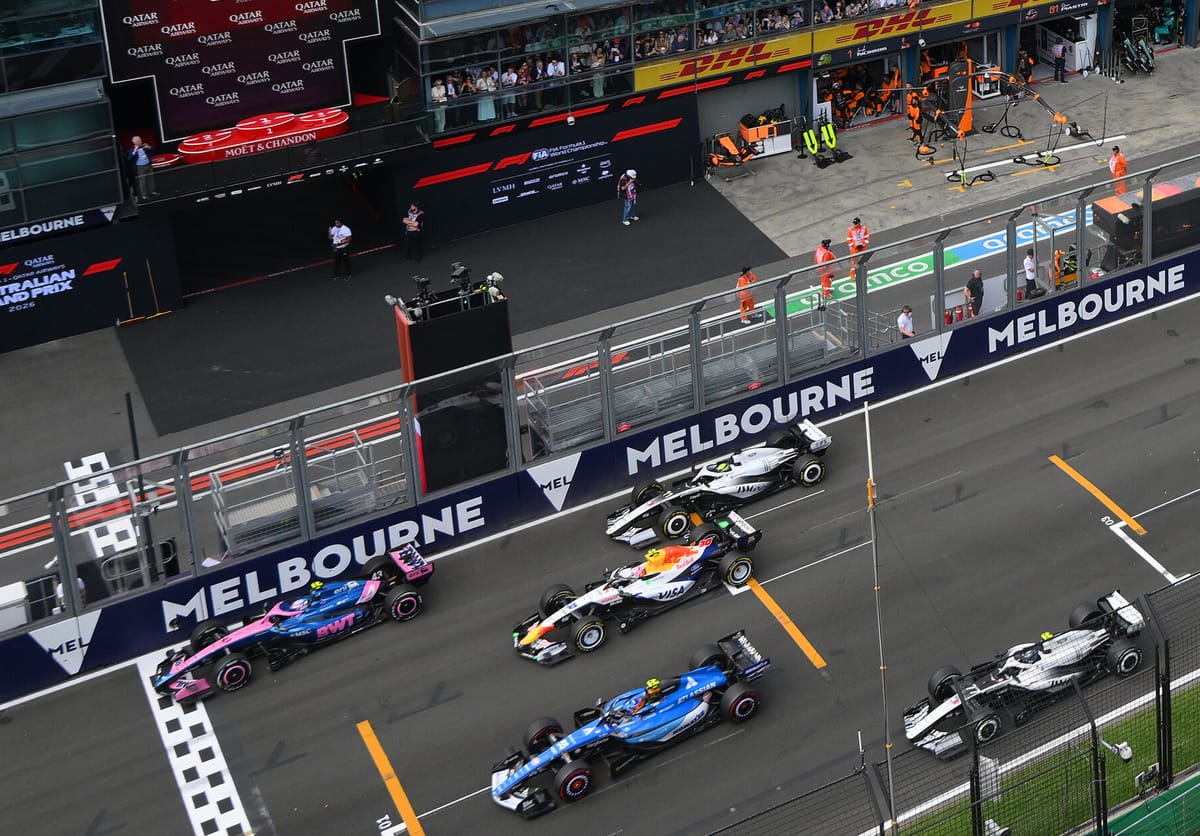
- The season-opener in Australia highlighted the complexity of mastering the new energy recovery and deployment systems, with defined recharging points being crucial for performance.
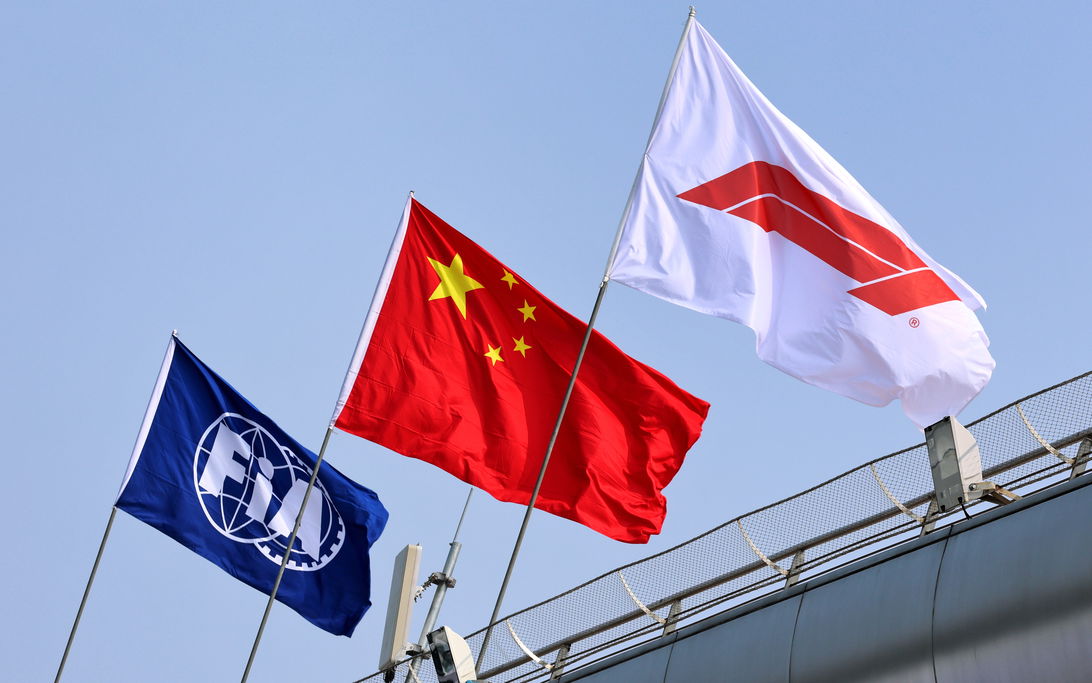
- The Shanghai International Circuit presents a different, somewhat easier challenge than Melbourne, with more clear-cut opportunities for energy recovery.
- The core problem remains the single free practice session, which severely limits teams' ability to trial various battery charging modes that can significantly impact lap performance.
- This data shortage means teams will enter sprint qualifying relying almost entirely on pre-event simulations, increasing the risk of strategic missteps.
- A potential workaround is for teams, particularly those not fighting for the sprint win, to use the 100km Saturday race as a large-scale test to evaluate which energy strategy works best for Sunday's full-length Grand Prix.
- Even top teams might adopt this approach, prioritizing the larger points haul available on Sunday over the sprint result, effectively sacrificing Saturday for a strategic advantage in the main event.
What's next:
The Chinese GP weekend will serve as a high-stakes case study in adaptive strategy under the sprint format. Teams that can accurately simulate their energy usage or quickly learn from the sprint race will gain a significant advantage for Sunday. This event underscores a growing trend: mastering energy management is no longer just a technical discipline but a central pillar of race weekend strategy, especially when practice time is scarce.
Original Article :https://racingnews365.com/f1-teams-facing-sacrifice-to-combat-chinese-gp-headach...