





F1 stakeholders agree on key 2026 energy rule adjustments
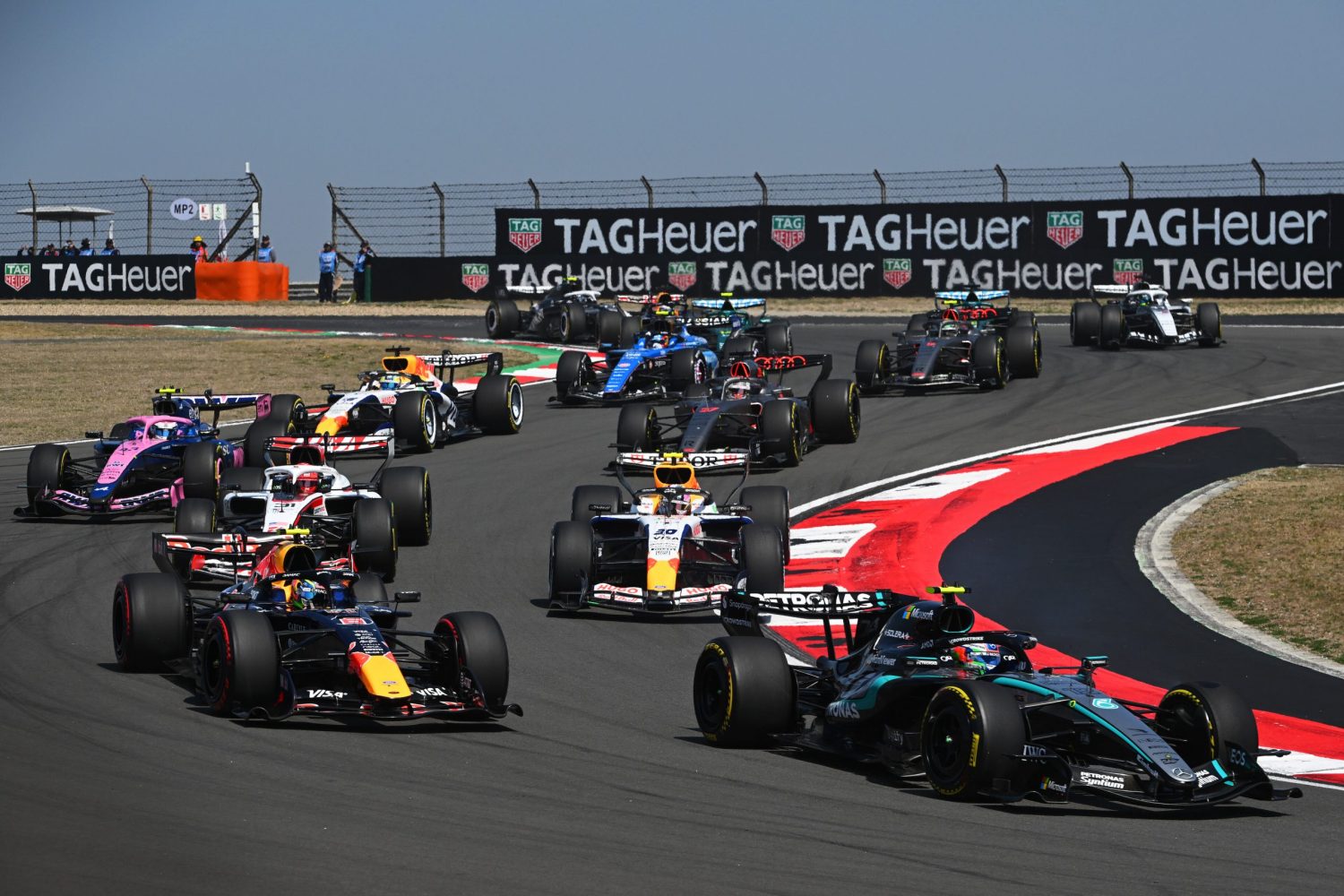
Formula 1's governing body, teams, and power unit manufacturers have unanimously agreed to a series of targeted changes to the 2026 energy management regulations, aiming to improve safety and enhance the on-track spectacle. The adjustments, which could be implemented as early as the Miami Grand Prix, focus on reducing artificial driving tactics in qualifying and mitigating potential safety risks during races.
Why it matters:
This swift, unified response to early-season feedback marks a proactive effort to refine the new rules before fundamental issues become entrenched. By addressing driver concerns about artificial energy-saving maneuvers and closing-speed risks, the sport aims to ensure the 2026 regulations deliver on their promise of closer, more authentic racing from the outset.
The details:
The agreement, reached after over two hours of discussions, introduces several key technical tweaks:
- Qualifying Energy Limit Reduced: The maximum energy recharge per lap in qualifying will be lowered from 8MJ to 7MJ. This change is designed to discourage extreme lift-and-coast tactics and encourage drivers to push flat-out for a single lap.
- Increased 'Super Clipping' Allowance: The energy recovery limit under braking (super clipping) is raised from 250kW to 350kW. This further supports the goal of minimizing artificial driving by allowing more energy to be harvested naturally during braking zones.
- Race Start & Safety Protocols: New systems will be introduced to better alert drivers to slow-moving cars ahead on race starts. Technical solutions are also being explored to improve getaway performance off the line.
- Race Power Limits Revised: Adjustments will cap peak power boosts during races to reduce the risk of dangerous closing speeds, particularly in unexpected parts of the circuit.
- Wet-Weather Adjustments: Additional modifications for running in wet conditions are planned to address concerns over power delivery and car control in the rain.
What's next:
The changes are pending formal approval from the FIA World Motor Sport Council, with the Miami Grand Prix flagged as the potential debut venue. This sets the stage for the first real-world test of these refinements.
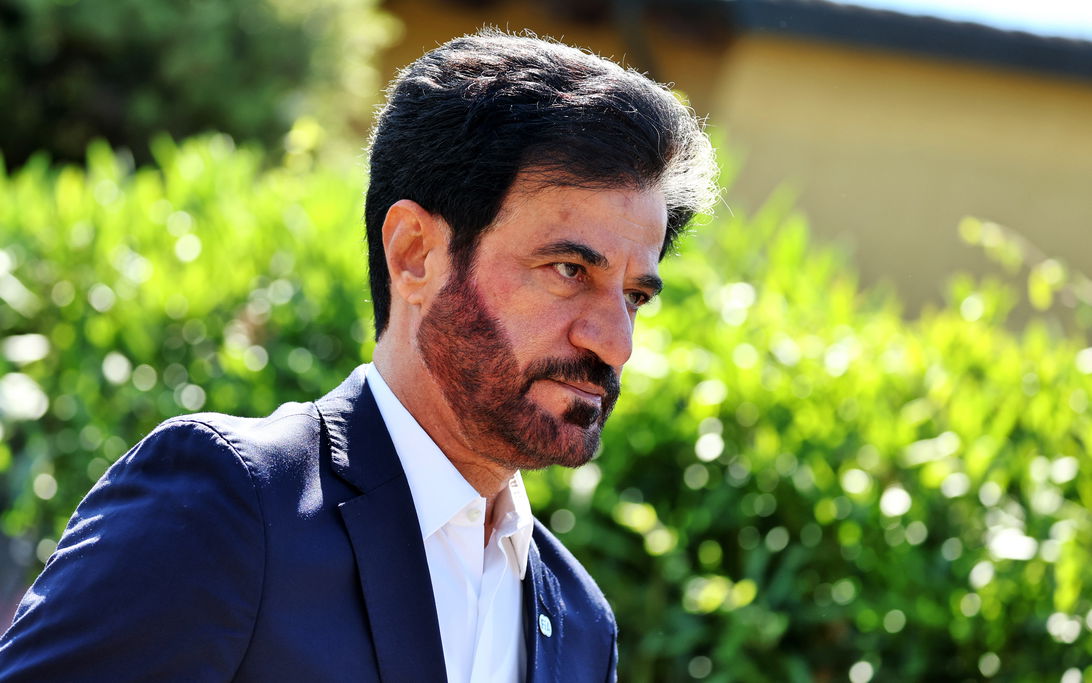
- FIA President Mohammed Ben Sulayem emphasized the collaborative and driver-centric nature of the process, stating the goal was to uphold "safety and sporting fairness."
- The rapid consensus demonstrates a shared commitment to the health of the sport, with stakeholders choosing targeted evolution over a full regulatory rewrite. The effectiveness of these adjustments will be closely scrutinized on track, likely leading to further fine-tuning as the 2026 season approaches.
Original Article :https://f1i.com/news/563088-formula-1-stakeholders-approve-major-energy-rule-adj...