







F1's US Sponsorship Boom: 83% of Team Partners Now American
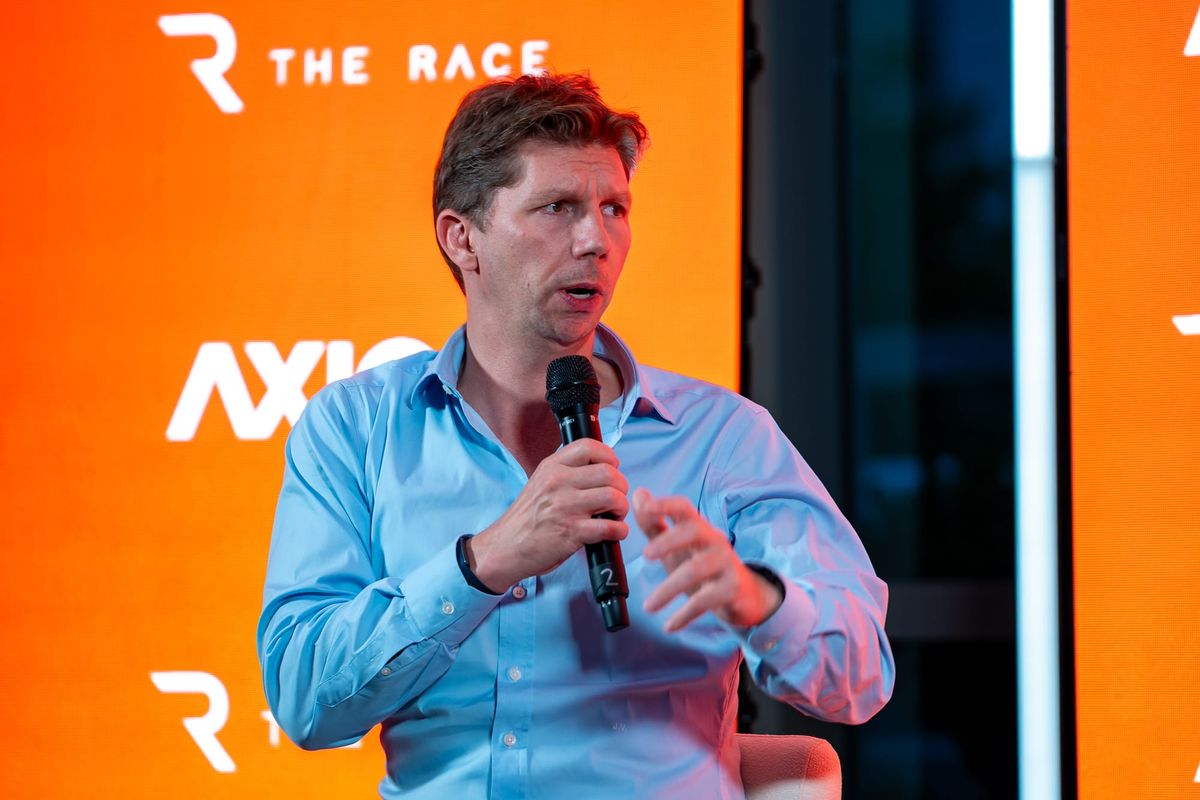
Formula 1's commercial landscape has been fundamentally reshaped by the American market, with Williams team principal James Vowles revealing that a staggering 83% of all team sponsors are now US-based. This shift underscores how the US has become the sport's primary commercial driver in just a few years, moving far beyond its former status as a single-race market.
Why it matters:
This statistic highlights a seismic shift in F1's financial ecosystem. The United States has evolved from a peripheral market to the central pillar of the sport's commercial strategy, influencing team budgets, partnership models, and the global appeal of the championship. For teams, securing a foothold in the US is no longer optional but a critical component of financial stability and competitive ambition.
The details:
- Overwhelming Majority: Vowles shared the 83% figure during a business event in Miami, stating the US is the sport's "most important - by a long way - business contributor."
- Rapid Transformation: He contrasted the current boom with the situation just five years ago, when F1's US presence was largely confined to the Grand Prix in Austin.
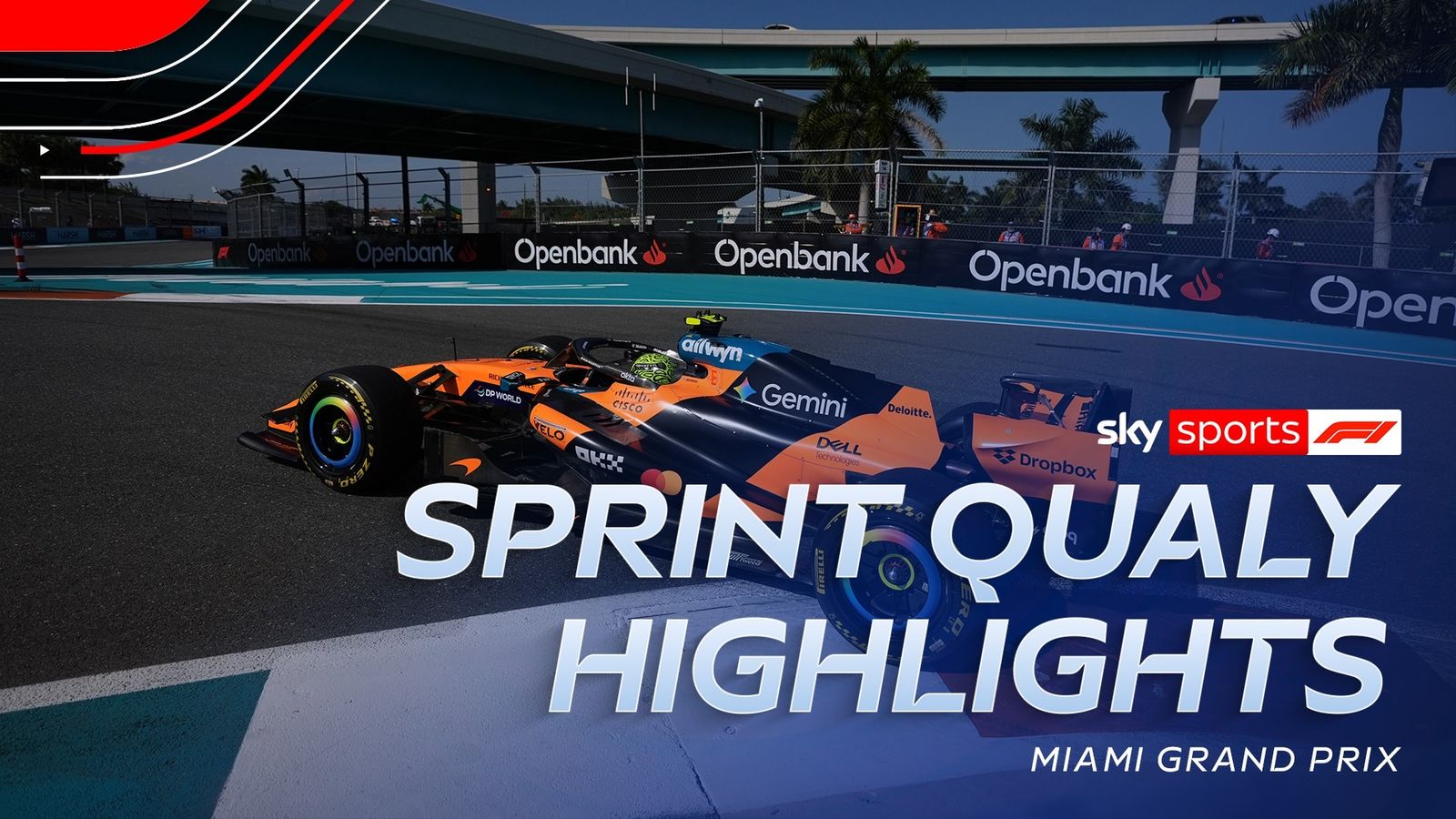
- Miami's Magnetism: Vowles noted that even non-US partners universally desire a presence at events like the Miami Grand Prix, which he described as a "crown jewel" due to its unique layout within the Hard Rock Stadium complex.
- Williams's Strategic Model: While capitalizing on the boom, Williams enforces a deliberate cap of 24 principal partners to ensure quality and authenticity.
- The team believes exceeding this number dilutes the value and service they can provide to each partner.
- Every partnership is custom-built and viewed as a long-term journey rather than a short-term transaction.
- Proven Success: This focused strategy has reportedly propelled Williams from minimal commercial revenue when Vowles joined in early 2023 to being among the grid's top four or five teams in commercial success.
What's next:
The concentration of American sponsors raises questions about market diversification and sustainability, but the trend shows no immediate signs of slowing. The unique appeal of the three distinct US races—Miami, Austin, and Las Vegas—continues to attract global brands seeking American exposure. As other teams observe Williams's success with a curated partnership model versus a volume-based approach, the debate over optimal commercial strategy will intensify, with the US market remaining the decisive battleground for F1's financial future.
Original Article :https://www.the-race.com/business/the-astonishing-numbers-behind-f1s-us-commerci...