



F1's Overtaking Debate: Quality Over Quantity as 2026 Rules Draw Mixed Reviews
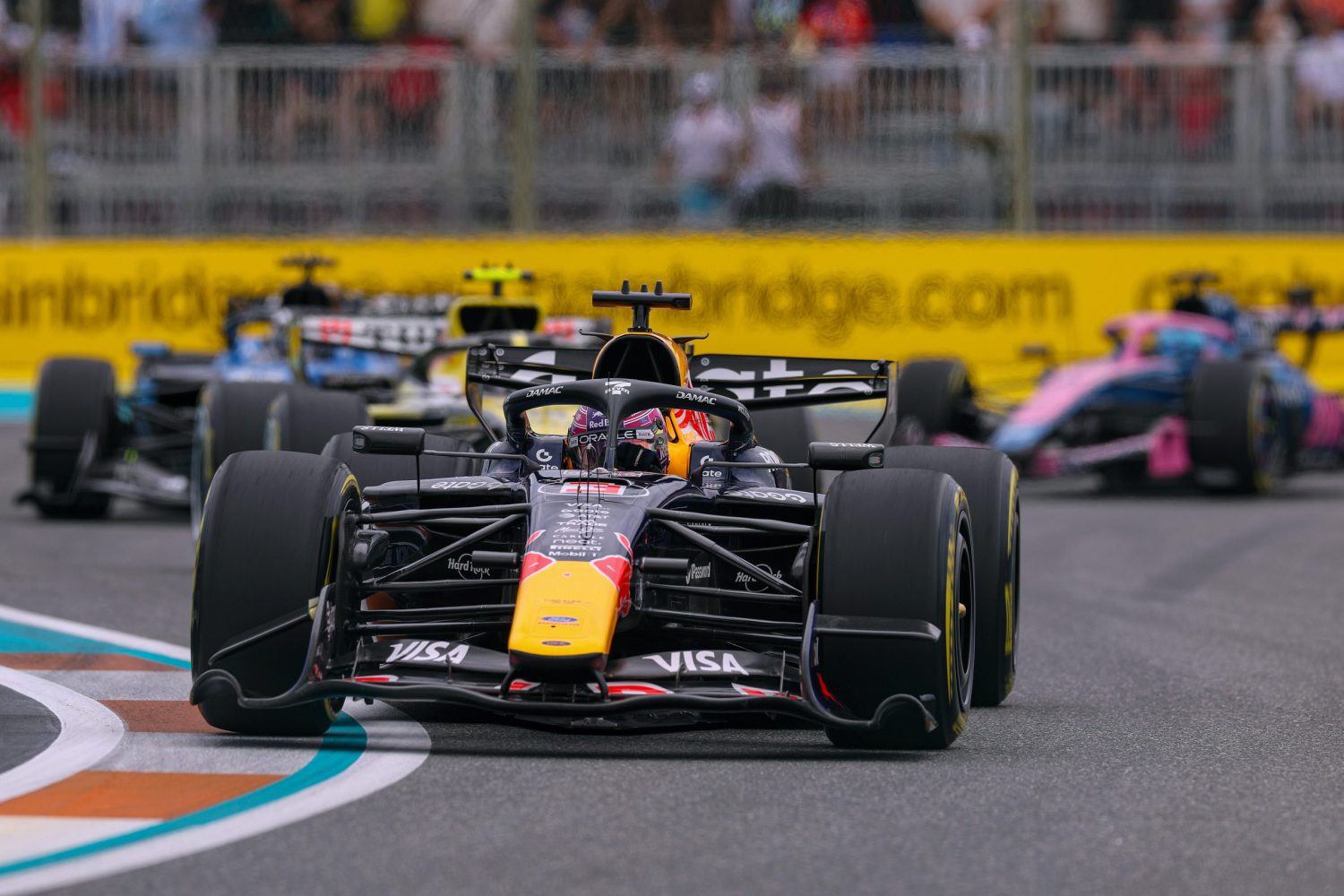
The 2026 Formula 1 regulations have delivered a record number of overtakes, but the debate over what makes good racing has never been more intense. F1 touted the high pass count at the season-opening Australian Grand Prix, yet many viewers and pundits argue that quantity has come at the expense of quality—with battery-assisted overtakes often feeling artificial and forgettable.
Why it matters:
The way F1 defines and values overtaking directly shapes the sport's entertainment product. If fans and stakeholders reject the current direction, the sport may need to recalibrate its technical and sporting rules to preserve the authenticity of on-track battles.
The details:
- Artificial passes: Several writers point out that many overtakes are dictated by battery deployment algorithms, not driver skill. Drivers themselves admit to overtaking "by accident" because the car's tech forces the move.
- Historical contrast: Memorable overtakes (e.g., Mansell on Piquet at Silverstone 1987, Hakkinen on Schumacher at Spa 2000) required late braking and genuine racecraft—elements lacking in 2026's energy-management era.
- Cognitive bias: The 2005 San Marino GP is often cited as an example—Schumacher chased Alonso for laps without passing, yet the tension made it iconic. Some argue the "chase is better than the catch."
- Fan surveys questioned: F1 cites survey data to justify more overtakes, but critics note that survey methodology can be flawed, and fans may not want passes that feel cheap.
Between the lines:
The real issue is not the number of overtakes but their meaning. When overtaking becomes a byproduct of energy management rather than driver bravery, the sporting achievement is diluted. The debate reflects a deeper tension between entertainment and meritocracy—a balance F1 has struggled to strike since the DRS era began in 2011.
What's next:
F1 faces a pivotal choice: continue down the path of high-volume, technology-driven passing or recalibrate rules to reward skill and create lasting memories. As one writer put it, "Formula 1 does not need more overtakes. It needs more unforgettable ones." The sport's ability to listen to both data and emotion will determine the quality of racing for years to come.
Original Article :https://www.motorsport.com/f1/news/question-of-the-week-is-more-overtaking-in-f1...