







F1's Engine Freedom Dream: Why V8, V10, V12 Variety is Officially Dead
The romantic notion of F1 returning to an era of diverse engine architectures—V6s, V8s, V10s, or even V12s—under the sport's cost cap has been definitively quashed by FIA's Nikolas Tombazis. Despite the appeal of technical freedom and sustainable fuels, F1 will stick with its hybrid V6 power unit regulations through at least 2030, citing competitive balance and cost control challenges.
Why it matters:
After ongoing discussions and debates, the FIA's firm stance means F1 is committing to its current hybrid V6 direction, dashing hopes for a return to the diverse engine sounds and engineering challenges of past eras. This decision underscores the FIA's priority on competitive parity and cost management over the romantic appeal of engine variety, impacting the sport's technical evolution and long-term appeal for some fans.
The Details:
- 2026 Regulations: F1 will introduce new hybrid V6 power units in 2026, building on current designs but utilizing sustainable fuels and increased electrification. This includes active aerodynamics (X-Mode and Z-Mode) and an 'override' electrical boost for 'push-to-pass' functionality.
- Engine Rule Cycle: Despite calls for a shorter cycle to potentially reintroduce simpler naturally aspirated or turbocharged V8s by 2029 or 2030, a scheduled meeting on this topic was postponed due to a lack of supermajority support from manufacturers. The current V6 hybrid rules are now set until at least the end of 2030.
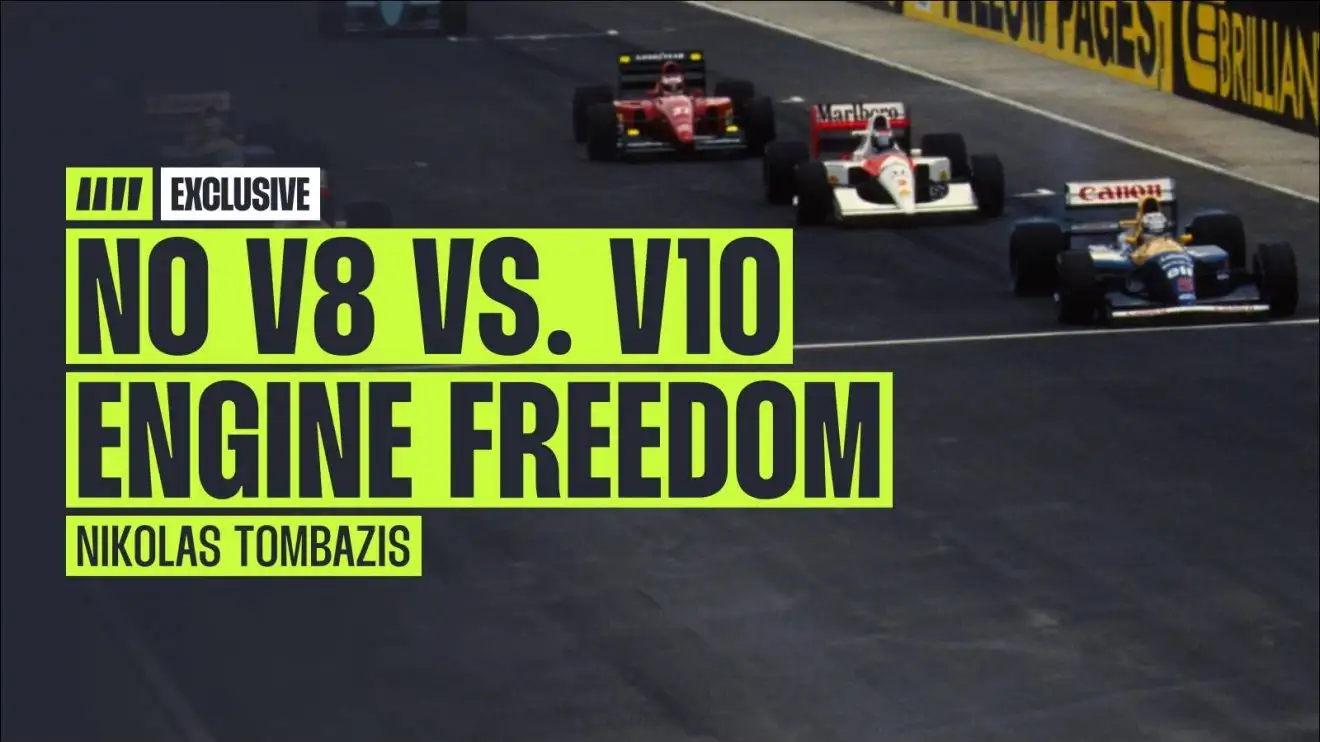
- Cost Cap vs. Freedom: The argument for greater technical freedom, given the power unit cost cap ($190 million for new manufacturers, $148.5 million for incumbents), was explored. Proponents envisioned a return to the early 1990s, where V8s, V10s, and V12s competed.
- Sebastian Vettel's demonstrations at Imola (1993 MP4/8 with Ford V8) and Goodwood (Williams-Renault V10) with sustainable fuels showcased the viability of older engine types.
- FIA's Stance: Nikolas Tombazis, FIA's single-seater director, explained that the cost cap alone cannot control costs or ensure competitive balance. He highlighted that different operating conditions, business models, and geographical locations of manufacturers would lead to amplified performance differentials if technological freedom were maximized.
- Tombazis emphasized that relying solely on the cost cap with maximum technological freedom would encourage manufacturers to exploit loopholes, ultimately degrading the sport's entertainment value.
The Big Picture:
F1's current tightly prescribed engine formula has led to remarkable convergence, with often the entire field lapping within a second of each other. This contrasts sharply with earlier eras where vast performance gaps were common. Tombazis argued that modern computing power and professional engineering teams would quickly optimize performance under open regulations, leading to less on-track excitement despite increased engineering interest.
What's Next:
The commitment to the V6 hybrid power unit formula until at least 2030 means manufacturers will continue to innovate within these specific technical parameters. While the dream of diverse engine types fades, the focus remains on refining the current hybrid technology and sustainable fuels to maintain competitive racing and manage costs effectively.
Original Article :https://www.planetf1.com/news/v8-vs-v10-vs-v12-why-the-romance-of-f1s-engine-fre...