




F1's 2026 Rules: Suzuka Showcases Thrilling Racing and Critical Flaws
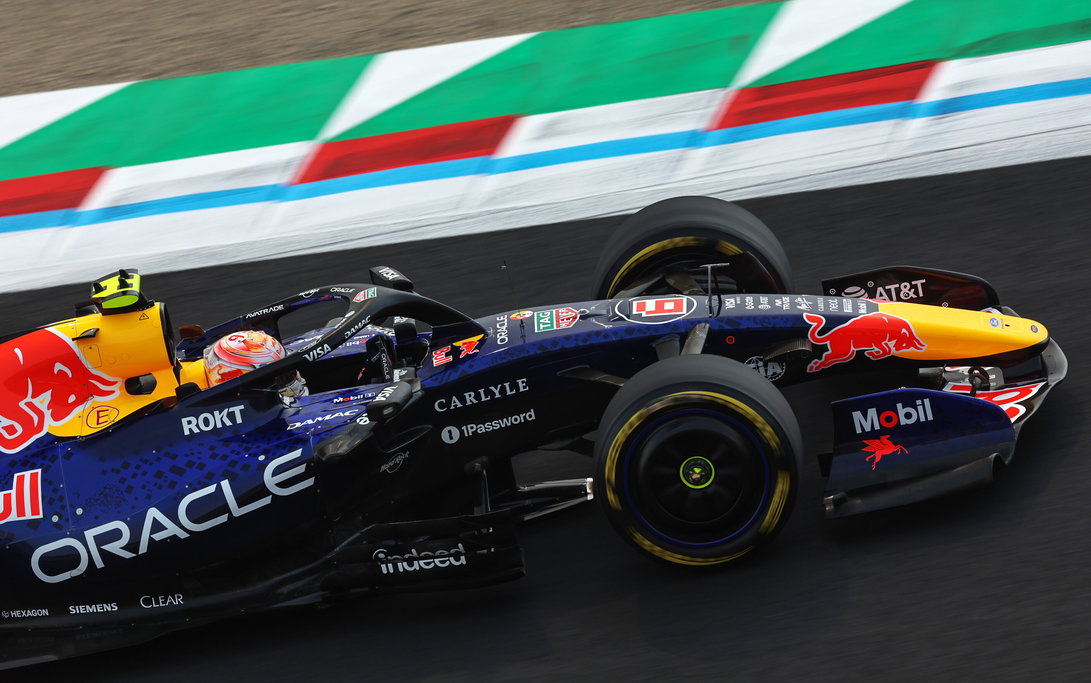
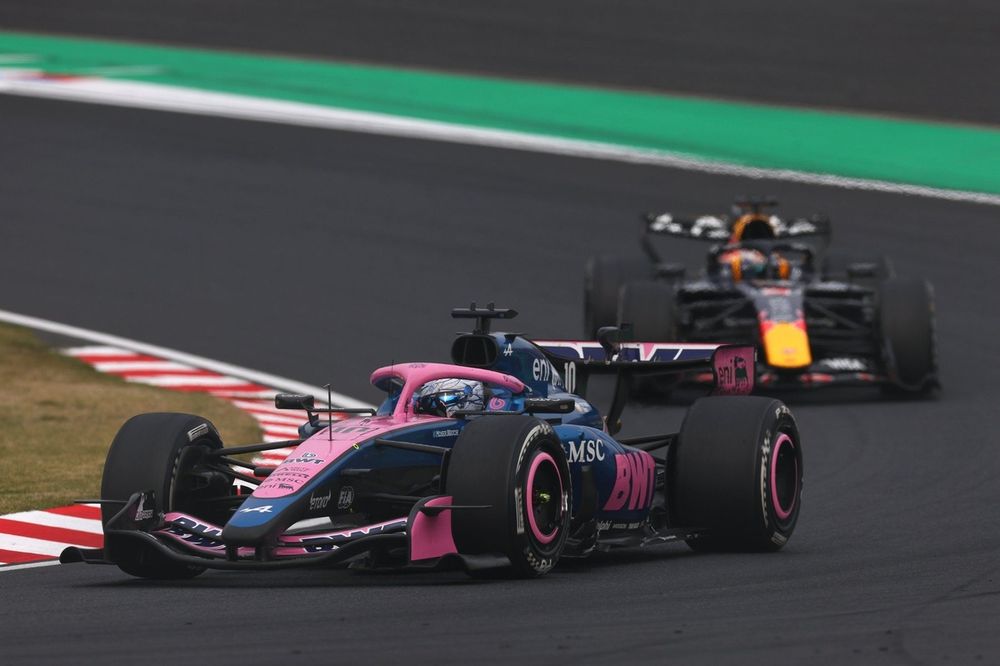
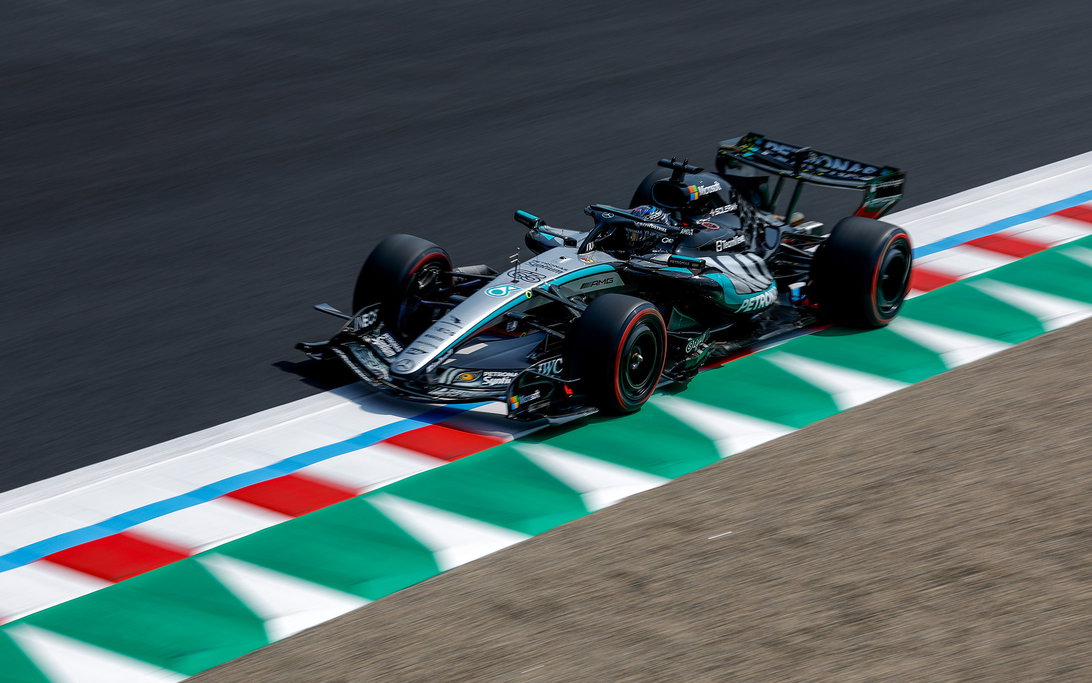
The Japanese Grand Prix at Suzuka served as a live preview of the 2026 Formula 1 regulations, highlighting both their potential for creating constant, thrilling overtaking battles and a critical flaw that forces drivers to fight their power units instead of their rivals. The duel between Lando Norris and Lewis Hamilton exposed how complex energy deployment rules can dictate on-track action, leading drivers to call for changes ahead of a key meeting between F1, the FIA, and the teams next week.
Why it matters:
The 2026 rules are designed to make racing more exciting with a greater emphasis on hybrid energy strategy, but the Suzuka evidence suggests they risk making the sport overly artificial. If drivers are forced to make unnatural inputs to manage a power unit's electronic behavior during a wheel-to-wheel fight, it undermines the core skill of racing. Addressing this is crucial to ensure the new era enhances competition without compromising the driver's role.
The details:
- The core issue revolves around the MGU-K's power deployment and reduction curve, governed by a fixed regulation to prevent traction control simulation.
- During the Norris-Hamilton battle, Norris used his energy boost out of Spoon Corner to close the gap. When he had to lift off the throttle at 130R to avoid a collision, the power unit's control system reset its deployment counter.
- Upon getting back on the throttle, the rules forced the MGU-K to deliver a mandatory 200 kW of power for at least one second—energy Norris did not want or need at that moment, wasting his battery charge.
- The only way to avoid this reset is to not lift off the throttle at all, a dangerous and impractical demand during a high-speed duel.
- Red Bull junior Isack Hadjar received a direct radio instruction about this flaw early in the race, being told he could not afford to lift at 130R after using his boost, showcasing how the issue affects strategy from the start.
- Norris attempted a partial throttle application to mitigate the effect, but this highlighted the unnatural driving style required. The wasted energy left him defenseless against Hamilton's counter-attack on the main straight.
What's next:
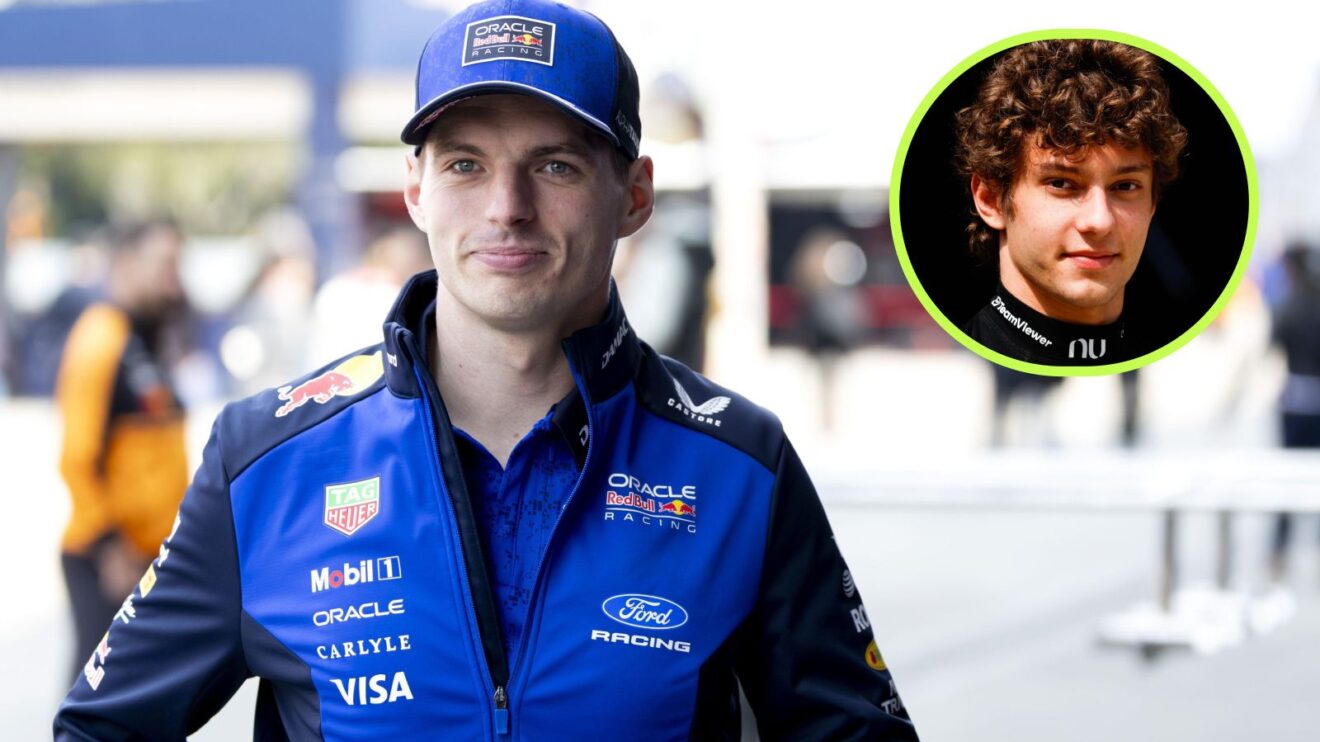
The problem is now formally on the agenda, with stakeholders set to discuss it in the upcoming technical meeting. Drivers like Norris and Max Verstappen have been vocal in their criticism, providing clear real-world data from Suzuka to push for a regulatory tweak.
- A potential solution could involve creating an exception to the deployment reset rule during defined overtaking scenarios or in specific track sectors, allowing the power reduction curve to continue naturally even after a lift-and-coast maneuver.
- The focus will be on preserving the exciting overtaking potential of the 350 kW MGU-K while returning control and instinct to the driver during combat. Finding this balance will be essential for the success of the 2026 regulations.
Original Article :https://www.motorsport.com/f1/news/f1-why-the-battle-between-hamilton-and-norris...