





F1's 2026 rules spark complexity debate: Has the sport gone too far?
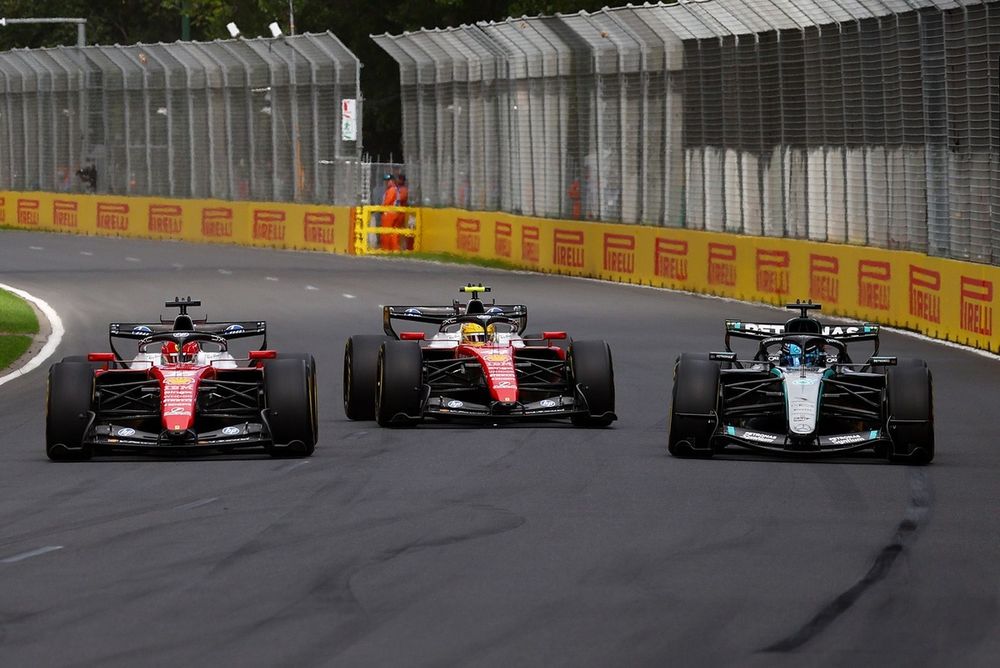
The introduction of Formula 1's 2026 technical regulations, featuring a 50/50 hybrid power split, sustainable fuels, and active aerodynamics, has ignited a fierce debate over whether the sport has become too complex for its own good. While the season-opening Australian Grand Prix delivered overtaking, many drivers and observers argue the constant energy management and myriad driving modes have created a confusing spectacle that risks alienating fans.
Why it matters:
This debate strikes at the core of Formula 1's identity: is it a pure sporting competition or a cutting-edge technological showcase? Finding the right balance is critical for fan engagement and the sport's long-term health. If the racing becomes unintelligible, F1 risks losing the casual viewers it has worked hard to attract in recent years, even as it successfully appeals to manufacturers with its road-relevant tech.
The Details:
- The new rules mandate a near-equal split between internal combustion engine (ICE) and electrical power, making energy management the dominant strategic factor during a race.
- Drivers have been vocal in their criticism. Lando Norris exemplified the challenge, stating he has to look at his steering wheel "every three seconds" to manage systems, pulling focus from pure racing.
- A Divided Paddock: Opinions among insiders are split. Some, like Motorsport.com Germany's Stefan Ehlem, argue the complexity is excessive and damaging, with even teams struggling to understand each other's solutions. Others, like Autosport's Ed Hardy, contend technical complexity is inherent to F1's DNA and fans will adapt.
- The Albert Park Factor: The Melbourne circuit is considered particularly "energy-poor," exacerbating management challenges in the first race. The spectacle may improve on tracks with different energy characteristics.
- Manufacturer Appeal vs. Spectacle: The regulations were designed to attract automotive manufacturers by emphasizing hybrid and sustainable technology—a goal achieved with entries from Audi, GM, and Honda's return. However, this engineering focus may come at the cost of intuitive racing for spectators.
What's Next:
The consensus among commentators is that patience is required. Teams will gather data and refine their operations, while drivers will develop more intuitive ways to manage the complex systems.
- The FIA and Formula One Management (FOM) face pressure to enhance broadcast graphics and explanations to help fans follow the energy and mode strategies in real-time.
- While minor adjustments are possible, a wholesale regulatory reversal is unlikely. These rules are built for the long term, aiming to future-proof the sport's relevance. The key will be whether the on-track product can evolve into a compelling blend of high-tech and high-stakes racing that both hardcore enthusiasts and new fans can enjoy.
This analysis synthesizes perspectives from Motorsport.com's global network of editors.
Original Article :https://www.motorsport.com/f1/news/question-of-the-week-has-f1-gone-too-far-with...