




F1's 2026 Rules Risk Creating 'Energy Starved' Racing
F1's 2026 regulations promise fearsome 1000+ horsepower power units, but a significant energy management problem could turn drivers into "sitting ducks" on straights. The rules, designed by committee, may lead to cars that are powerful for only brief moments before becoming severely energy-starved, potentially shifting the focus from flat-out racing to strategic energy conservation. This has led insiders to question if the new formula will deliver exciting wheel-to-wheel action or an economy run.
Why it matters:
The core identity of Formula 1 is built on being the pinnacle of motorsport, where drivers push flat-out. If the 2026 rules force drivers to constantly manage battery power and lift-and-coast, it could fundamentally alter the spectacle, alienating fans who expect non-stop action. More critically, it creates a major political dilemma for the FIA, as fixing any potential flaws could be blocked by teams who have gained a competitive advantage from the very rules that need changing.
The details:
- The Power Drop: While the combined output of the internal combustion engine and battery can exceed 1000hp, this is not sustainable. Once the battery is depleted, power is expected to plummet to around 550hp, leaving drivers vulnerable on long straights.
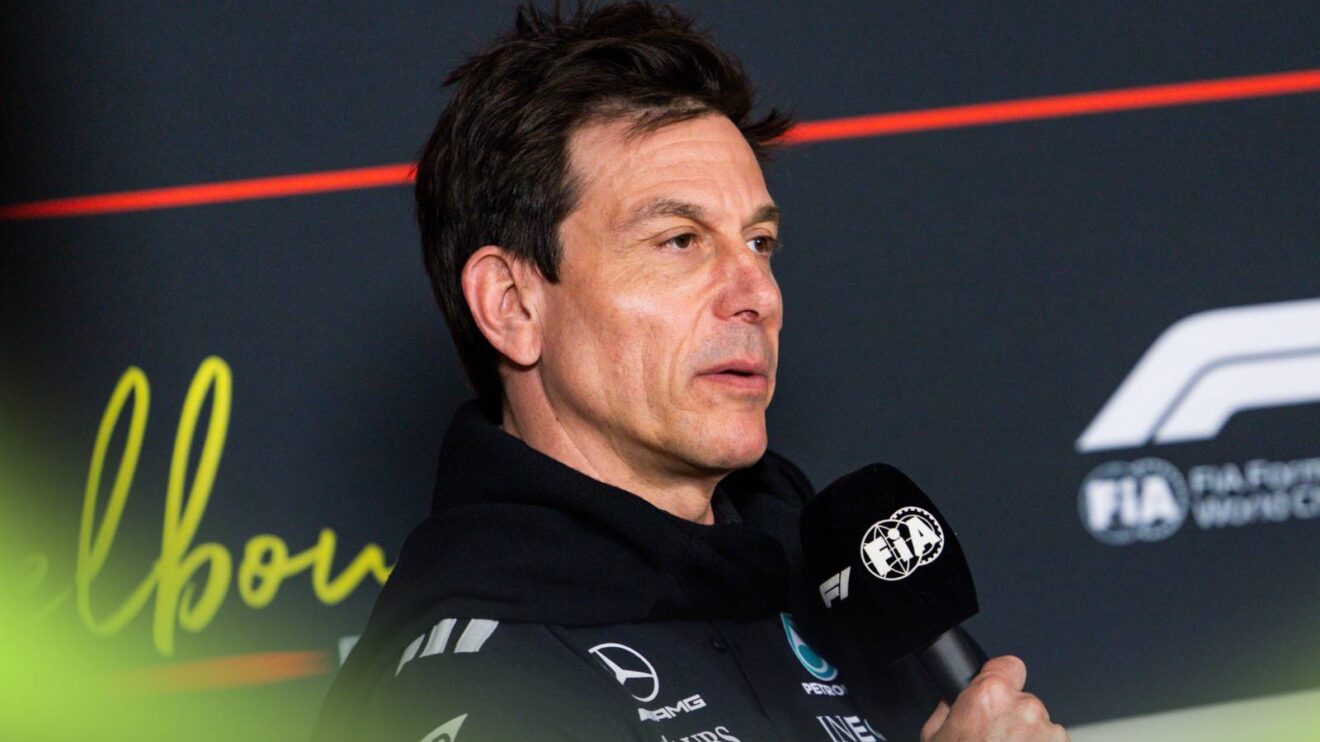
- A Rejected Fix: The FIA proposed reducing the maximum electrical power from 350kW to 200kW to make the energy last longer, which would have lowered peak output but provided more consistent performance. This was swiftly rejected by manufacturers, with Mercedes' Toto Wolff famously calling it a "joke."
- The Governance Trap: Unlike the porpoising issue in 2022, which affected most teams and was easily fixed, a problem that only hurts some teams will be nearly impossible to rectify. A manufacturer is unlikely to vote for a change that levels the playing field to the detriment of its own success.
- A New FIA Tool: A new clause in the 2026 regulations gives the FIA a mandate to "promote the competitive balance and sustainability of the championship." This could provide the governing body with the political cover to push through necessary changes against the wishes of some teams.
What's next:
The true impact of these regulations won't be clear until cars hit the track in pre-season testing and the early races of 2026. As Lance Stroll noted, the drivers and teams who are winning will have little reason to complain, regardless of the on-track product. The FIA claims to have "ideas in the pocket" to address potential issues, but implementing them will be the ultimate test of the sport's ability to prioritize its long-term health over short-term competitive interests.
Original Article :https://www.the-race.com/formula-1/the-uncomfortable-question-for-f1-teams-if-20...
