




F1's 2026 Qualifying Dilemma: Drivers Decry Energy Rules That 'Hurt Your Soul'
F1's 2026 power unit regulations, designed to create thrilling races, are undermining the very essence of qualifying by forcing drivers to slow down to go faster. Drivers report that pushing harder in corners punishes them with slower straight-line speeds due to complex energy management, turning Saturday into a counter-intuitive engineering puzzle rather than a pure test of skill. With the FIA, F1, and teams set for urgent talks before Miami, the sport faces a critical challenge to restore driver agency to its premier one-lap showdown.
Why it matters:
Qualifying is meant to be Formula 1's purest display of driver and machine operating at the absolute limit. The current energy management paradox—where maximizing corner speed depletes battery power for the straights—fundamentally changes that dynamic, shifting the emphasis from driver skill to pre-programmed software algorithms. If not addressed, it risks alienating both the competitors and fans who cherish the raw, unfiltered competition of a single lap.
The Details:
- The core issue is energy starvation. On circuits with few heavy braking zones, like Suzuka, cars cannot harvest enough energy to deploy full power over an entire qualifying lap.
- To compensate, drivers must 'lift and coast' through medium and high-speed corners to charge the battery, sacrificing cornering speed to have more power for the subsequent straight.
- A Vicious Cycle: As drivers push harder in qualifying to find time, they use more throttle, which triggers the power unit's software to initiate battery charging earlier on the lap, ultimately costing them top speed. Carlos Sainz (Williams) summarized it: "The more you pushed, the slower you went."
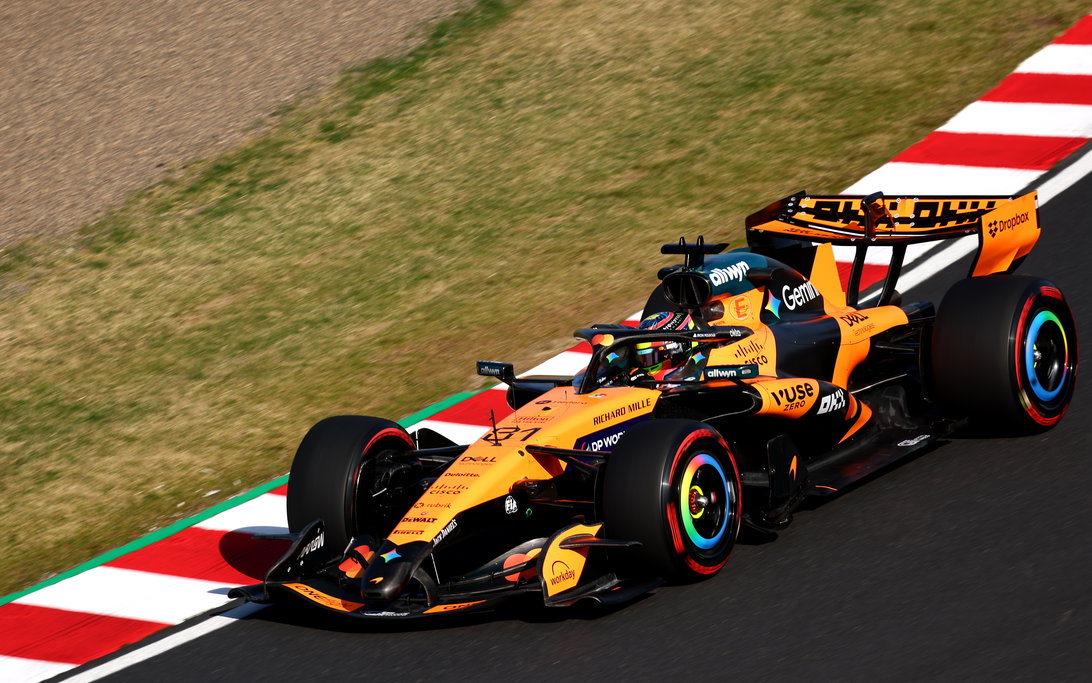
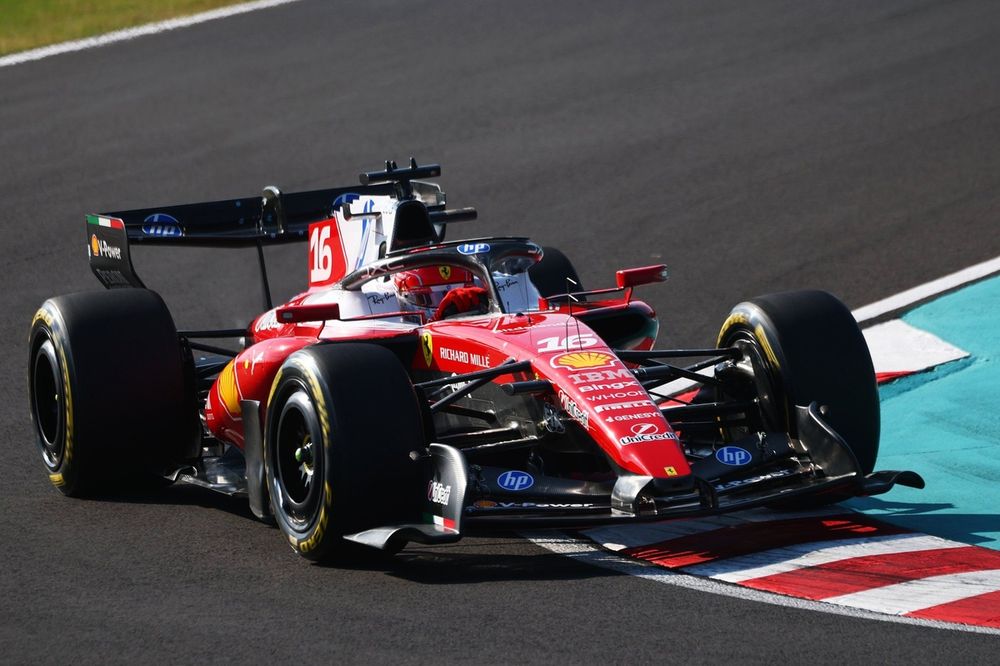
- Software Takes the Wheel: The power unit's machine-learning software continuously tweaks deployment based on previous laps, operating beyond a driver's direct control. This disadvantages drivers who miss practice laps (like Lando Norris in Japan) and can be thrown off by minor driving errors, as Charles Leclerc and Lewis Hamilton (Ferrari) experienced.
- A Near-Unanimous Driver Revolt: Drivers from across the grid have labeled the situation "not good enough for F1." Fernando Alonso (Aston Martin) stated plainly that high-speed corners have become "charging stations," removing the need for driver skill.
What's next:
The FIA has already made one adjustment, lowering the maximum energy limit for qualifying, but drivers agree it's insufficient. All stakeholders are set for discussions before the Miami Grand Prix to find a solution.
- The Political Hurdle: While drivers are united, team interests may clash. Carlos Sainz expressed concern that some teams may push back against significant changes, though even dominant Mercedes has publicly acknowledged the problem needs fixing.
- Potential Solutions: Drivers like Sainz suggest flattening and making energy deployment more consistent, even if it means slightly slower overall lap times and top speeds, to return predictability and control to the cockpit.
- Pessimism Prevails: Lewis Hamilton is not optimistic about a swift resolution, famously cautioning, "There'll be a lot of chefs in the kitchen. It doesn't usually end up with a good result." The coming weeks will test whether the sport can align its technological goals with the fundamental sporting spectacle of qualifying.
Original Article :https://www.motorsport.com/f1/news/the-more-you-push-the-slower-you-go-japan-odd...