




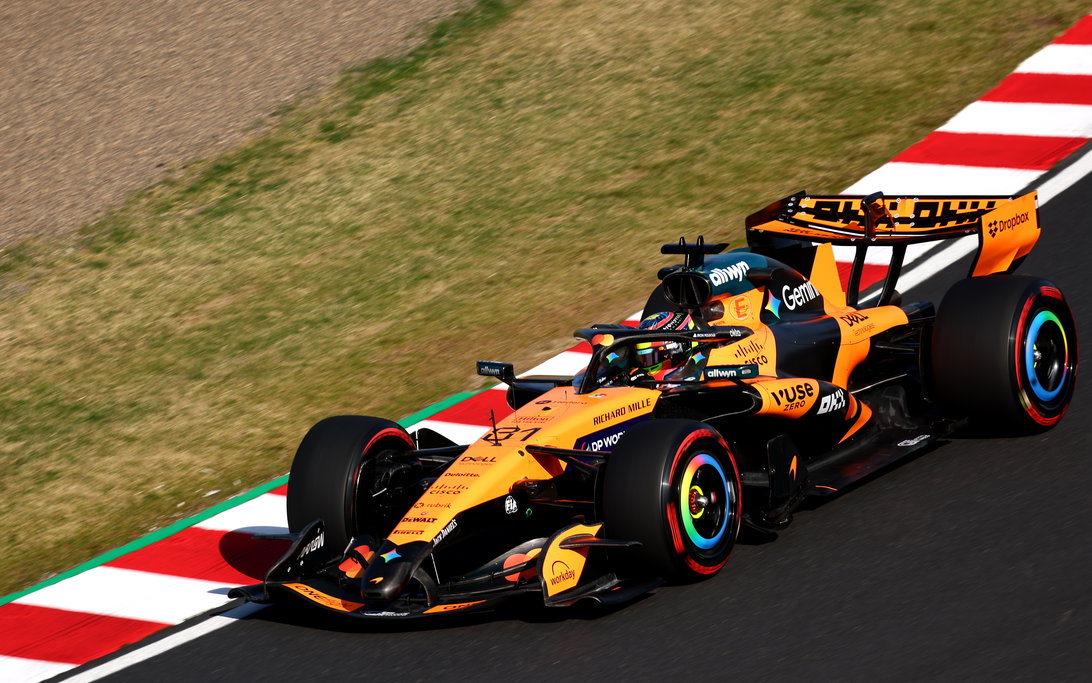
McLaren's Suzuka pace reveals underlying car balance issues despite Mercedes power gains
McLaren showed genuine single-lap speed at the Japanese Grand Prix, with Oscar Piastri qualifying third, but their race pace and car balance issues suggest they haven't yet closed the gap to the true front-runners. While the team has made a clear step in managing the Mercedes power unit, the MCL38's performance window remains narrow, exposing vulnerabilities that could hinder their Sunday challenge.
Why it matters:
McLaren's performance is a tale of two stories: clear progress in power unit integration versus persistent chassis limitations. Understanding this split is key to gauging whether their early-season promise can translate into consistent podium challenges or if fundamental car characteristics will keep them a step behind Mercedes and Red Bull in the development race.
The details:
- Qualifying vs. Race Pace: While Piastri's P3 grid spot highlights strong one-lap performance, data from long runs indicates Mercedes' W15 holds a decisive race pace advantage. This gap underscores that raw qualifying speed doesn't tell the full competitive story.
- Narrow Operating Window: The MCL38 proved sensitive at Suzuka, requiring precise setup to keep its tires in the optimal operating window. This narrow performance band makes the car vulnerable on tracks that challenge balance.
- Driver Discrepancy: The setup challenges were not felt equally. Piastri managed to optimize his car, while Lando Norris struggled significantly, particularly losing confidence and time through the demanding Esses and Spoon Curve sections.
- Underlying Project Traits: The weekend reinforced that improvements in power unit management have not resolved inherent characteristics of the McLaren chassis project. Issues with balance and tire management appear baked into the current design philosophy.
What's next:
McLaren's immediate task is damage limitation in the Japanese GP, maximizing points with a car that may be kinder on its tires than some rivals but lacks ultimate race pace. The larger focus for the team will be on the development race, specifically whether future upgrades can widen the car's operating window and address these core balance issues. If not, their season may continue to be defined by flashes of qualifying brilliance overshadowed by Sunday limitations.
Original Article :https://racingnews365.com/mclaren-japan-form-a-mirage-despite-major-mercedes-bre...