




F1's 2026 Chinese GP Saturday: Sprint Chaos, Mercedes' Edge & Red Bull's Struggle
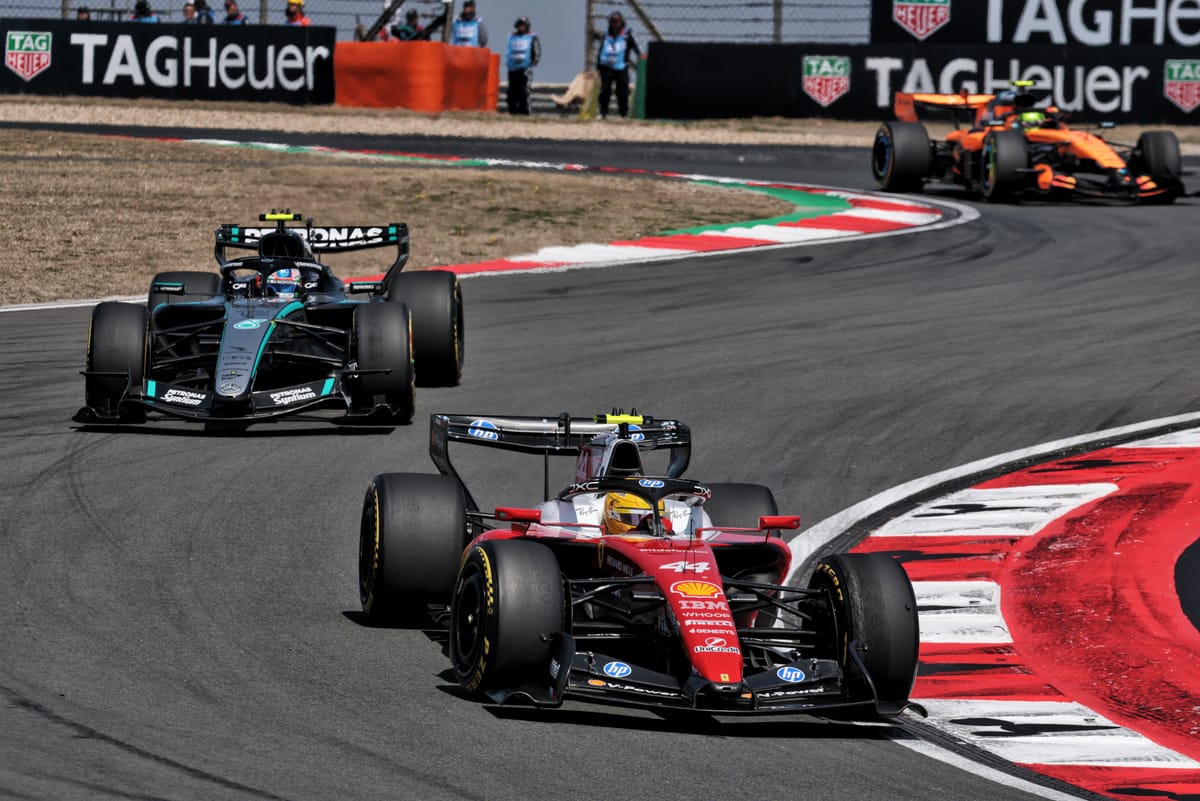
Saturday at the 2026 Chinese Grand Prix revealed a Formula 1 grid grappling with its new energy-sensitive reality. The sprint race delivered chaotic, unpredictable battles that left many drivers frustrated, while qualifying confirmed Mercedes' underlying pace and exposed Red Bull's deepening chassis crisis, setting the stage for a tense grand prix.
Why it matters:
The action highlighted the fundamental trade-off of the 2026 regulations: increased on-track action often comes at the cost of strategic, controlled racing. Drivers are finding it difficult to execute clean overtakes or defend positions in a pack, as the racing is increasingly dictated by who has more electrical energy available at any given moment rather than pure car performance or driver skill.
The Details:
- Driver Frustration with 'Chaos': The sprint race, while entertaining for fans, was criticized by midfield drivers. Esteban Ocon labeled it "chaos," where you "can't really plan for an overtake" and positions are impossible to seal. Ollie Bearman noted the racing becomes "very processional" once the natural car performance order is established.
- Red Bull's Dual Crisis: The team faced a double blow. Its new in-house power unit appeared neutered on Shanghai's energy-rich layout, falling behind Mercedes and Ferrari. More damning was Max Verstappen's critique of the chassis, calling the car "completely undriveable" and "like survival" every lap, despite extensive setup changes.
- Mercedes' Hidden Potential: Despite seeming gaps closing in qualifying, Mercedes likely had more pace in hand. Pole-sitter Kimi Antonelli dealt with a front-wing flap issue causing understeer, and George Russell faced anti-stall problems, suggesting the Silver Arrows' true advantage is even greater than the timesheets showed.
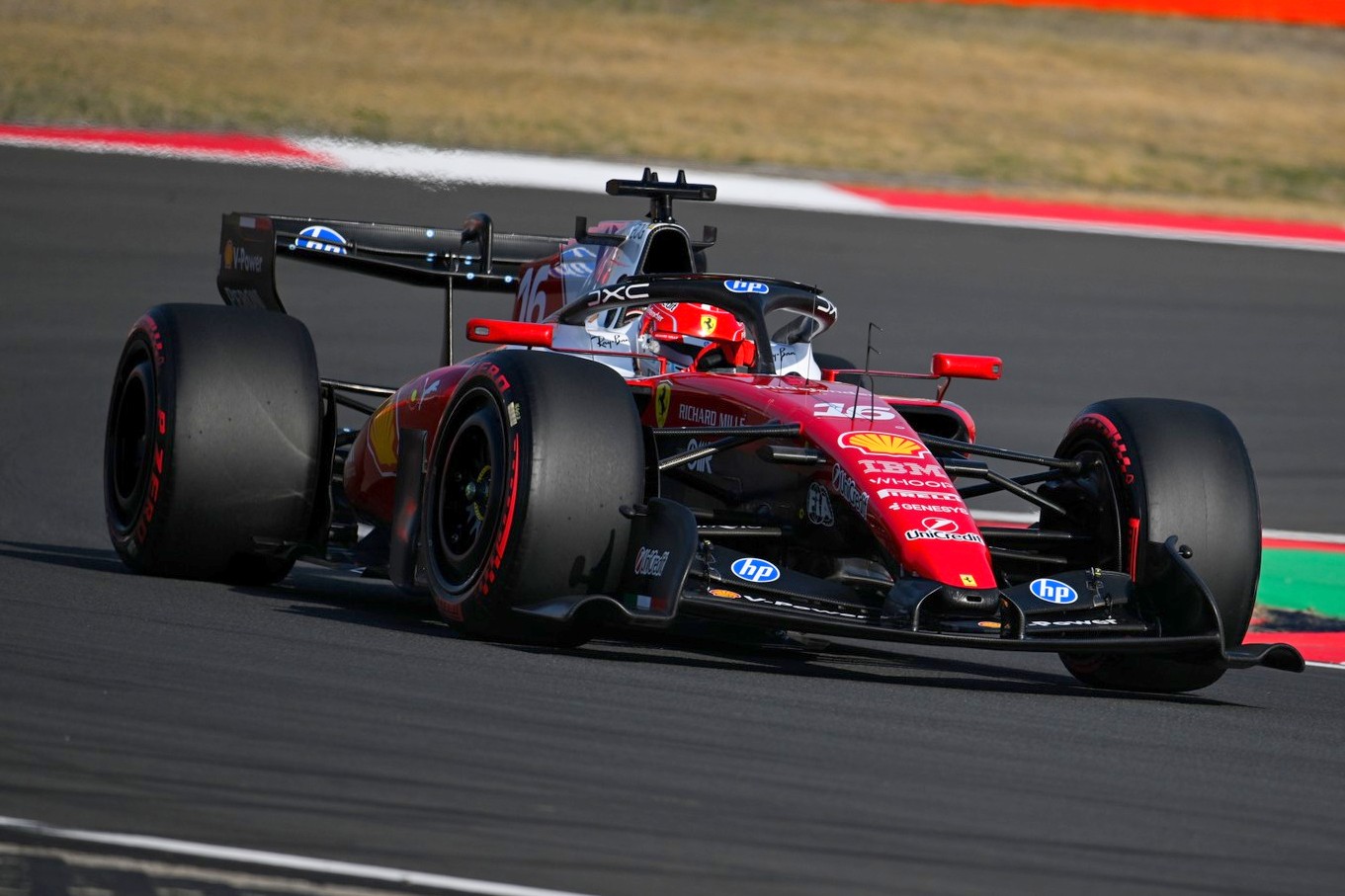
- The Lost 'Crazy' Lap: Charles Leclerc mused that the days of a daring, all-or-nothing Q3 lap are over. With the new powertrains, taking massive risks confuses the energy management system, costing more time than is gained. Consistency now pays higher dividends than bravado.
- Bright Spots Amid Struggles: Isack Hadjar was again a positive for Red Bull, qualifying within a tenth of Verstappen and operating at the car's limit. Pierre Gasly was bullish after qualifying seventh for Alpine, feeling "more alive again" and believing the A526 can be a consistent Q3 contender.
What's Next:
The grand prix will be the ultimate test of these early 2026 narratives.
- Can Mercedes convert its clear single-lap pace into a dominant race victory, or will tire management and energy deployment create opportunities for Ferrari?
- Will Red Bull's race pace offer any respite for Verstappen, or is a painful, point-scoring damage limitation exercise the best hope?
- The true nature of the midfield "chaos" will be revealed over a full race distance, testing whether the close pack can produce sustained, strategic battles or devolve into a frustrating, processional train dictated solely by energy states.
Original Article :https://www.the-race.com/formula-1/nine-things-we-learned-from-saturday-of-f1s-2...
