







F1 Returns to Sepang: 5 Key Factors for the Bahrain GP in Malaysia
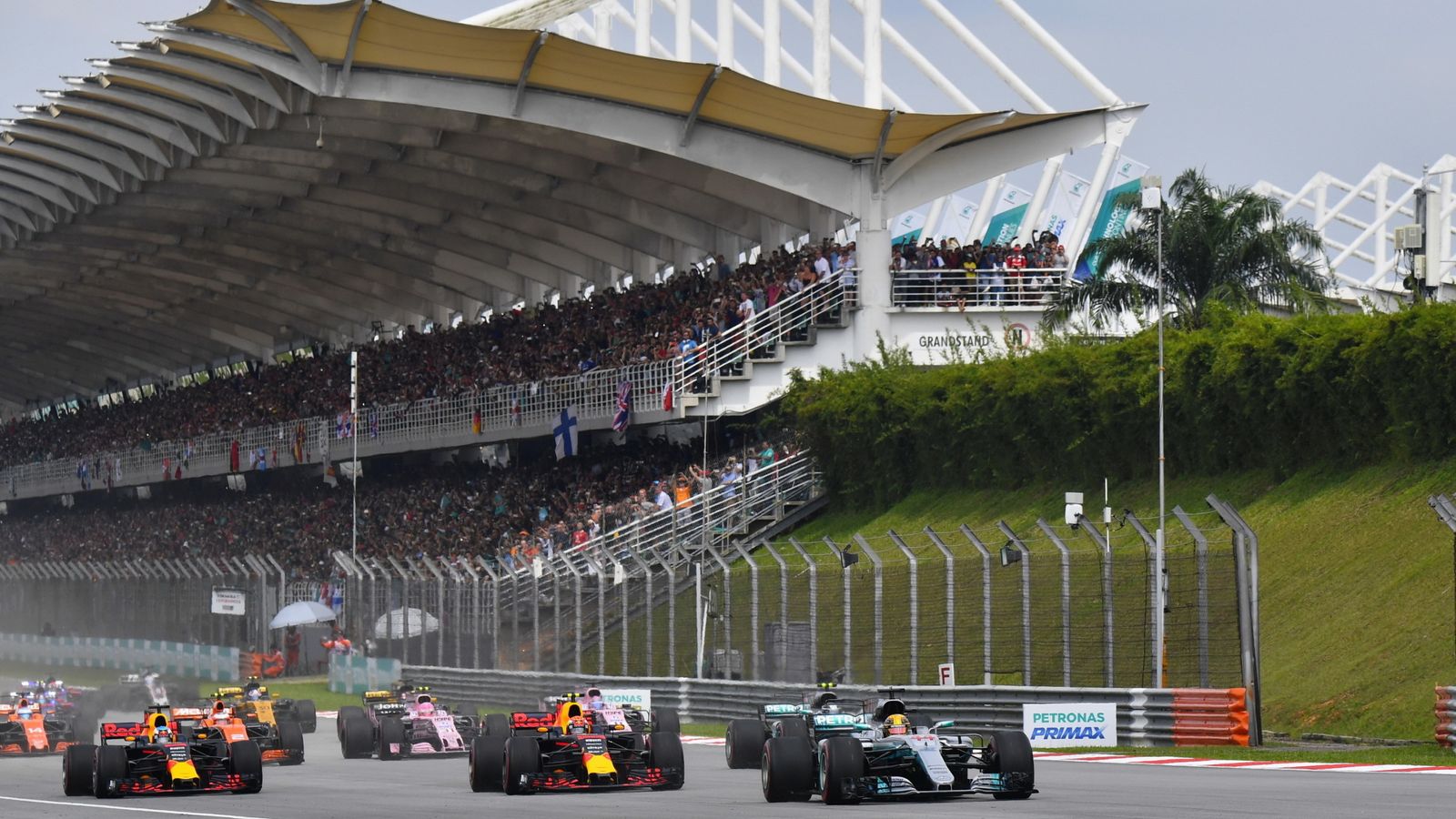
Formula 1 returns to the Sepang International Circuit for Round 16 of the 2026 season. While the event retains the Bahrain Grand Prix branding due to Malaysia stepping in as a substitute host, the focus is entirely on the return to a venue that has been absent from the calendar since 2017.
Why it matters:
Returning to Sepang provides a critical litmus test for the 2026-spec cars. The combination of extreme tropical humidity, an abrasive surface, and a high-deg layout will push the new power units and tire management strategies to their absolute limits, potentially shifting the momentum of the championship chase.
The Details:
- The Tilke Blueprint: As Hermann Tilke's first scratch-built project, Sepang set the standard for modern F1 tracks. Its philosophy of long straights leading into heavy-braking hairpins was the prototype for circuits like COTA and Yas Marina.
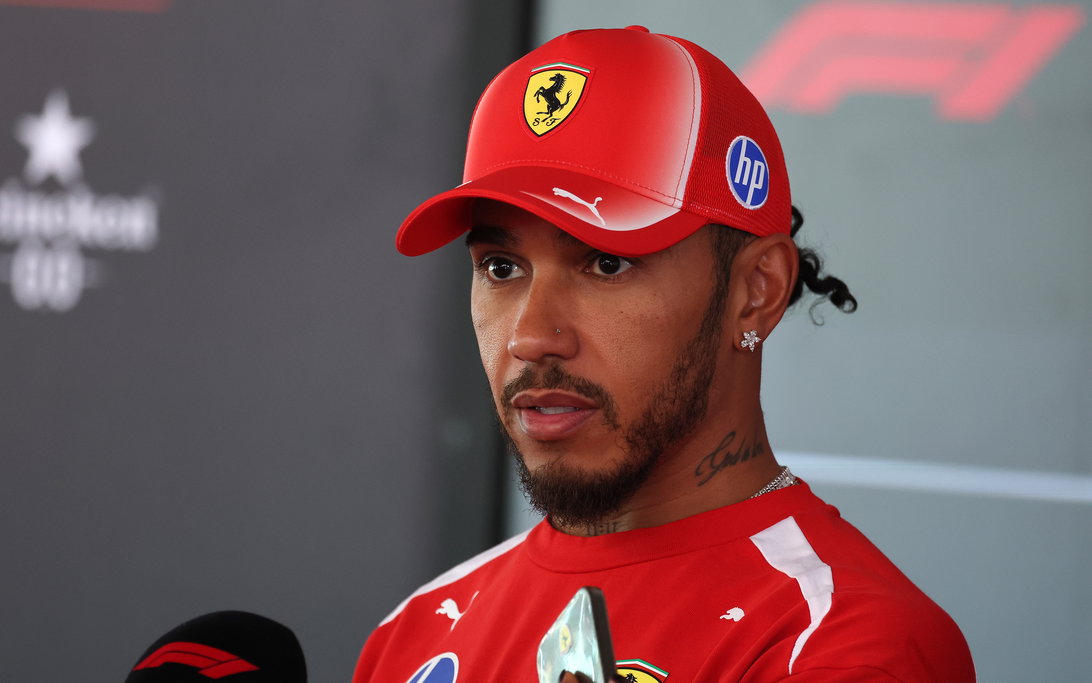
- The Veteran Gap: Only 10 of the 22 drivers have previous experience at Sepang. While Max Verstappen returns as the winner of the last race held here, others like Lewis Hamilton return to the site of his pivotal 2016 engine failure.
- Weather Volatility: Racing in late September/early October places the event in the monsoon transition period. Teams must prepare for 30°C+ temperatures and 70% humidity, with the constant threat of sudden, violent thunderstorms that can trigger red flags.
- Technical Demands: The track's wide footprint (up to 25m) encourages wheel-to-wheel racing, particularly at Turn 15. However, the abrasive asphalt and high-speed sequences place immense stress on tire shoulders.
The Big Picture:
Sepang is historically a venue of chaos, from the 1999 Ferrari disqualification drama to the 2013 'Multi 21' controversy. Bringing the 2026 grid back to this environment introduces a high probability of strategic volatility, where a single rain shower or a cooling failure could dismantle a dominant weekend.
What's next:
As the paddock settles into the oppressive heat of Malaysia, all eyes will be on how the 2026 power units handle the cooling demands. If the reliability holds, the layout's inherent bravery-rewarding nature should deliver one of the most competitive races of the season.
Original Article :https://racingnews365.com/five-things-you-need-to-know-about-the-bahrain-grand-p...