









F1 introduces five-second pre-start delay for Australian GP to counter new engine quirks
Formula 1 will implement a new five-second 'pre-start' delay at the Australian Grand Prix, a procedural change designed to help drivers at the back of the grid properly spool up their new-generation turbochargers and avoid anti-stall at the race start. The revision, successfully tested in Bahrain, addresses a significant side effect of the 2026 power unit regulations, which removed the energy-recovering MGU-H. While most teams welcome the clarity, Ferrari appears to have anticipated the issue, having already developed a smaller turbo that gave it an advantage in pre-season practice starts.
Why it matters:
The starting procedure is one of the most critical and high-pressure moments in a Grand Prix. A poor start can ruin a driver's race before the first corner. This rule change directly tackles a new technical vulnerability introduced by the 2026 engine formula, ensuring a fairer and safer launch for all cars by giving them equal time to build turbo boost. It highlights how regulatory shifts can have unexpected operational consequences that require immediate sporting solutions.
The details:
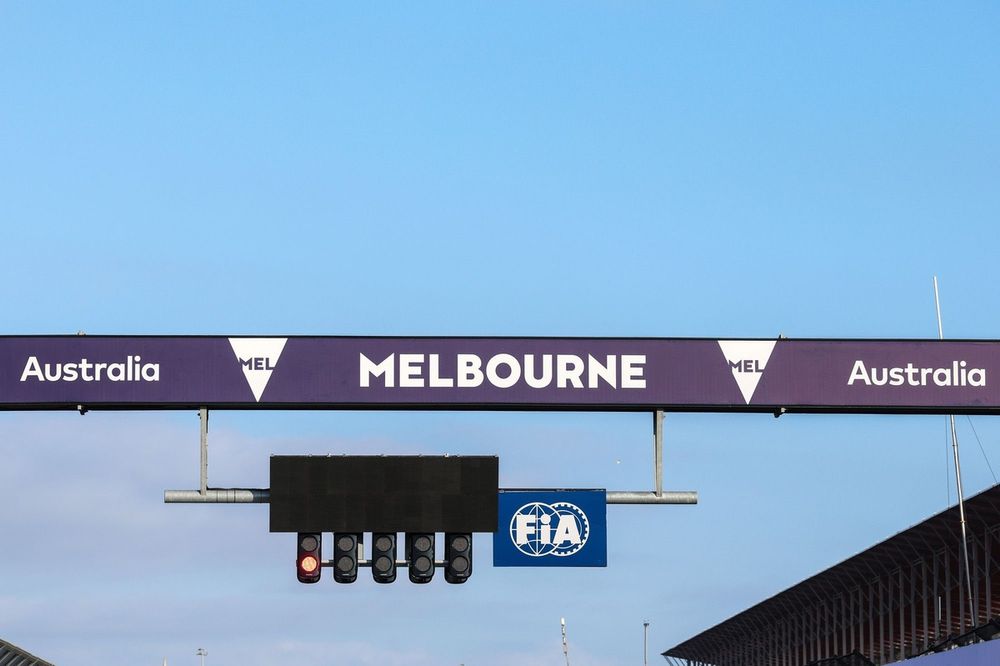
- The new procedure adds a five-second pause after the green flag is waved at the back of the grid, signaled by a flashing blue panel on the starting gantry, before the standard starting light sequence begins.
- The core issue stems from the removal of the MGU-H (Motor Generator Unit – Heat). This component previously used stored energy to quickly spin up the turbo, ensuring immediate power off the line.
- Without the MGU-H, drivers now need to use engine revs to spool the turbo, which is slower and risked causing sluggish launches or triggering anti-stall systems, especially for cars further back on the grid.
- Ferrari's team principal, Fred Vasseur, revealed his team had long flagged this as a potential problem. It is believed Ferrari developed a smaller turbocharger to mitigate the spool-up delay, which gave it a noticeable advantage in Bahrain testing.
- Other teams, including Mercedes, used the Bahrain test to fine-tune their engine start procedures. Rookie Andrea Kimi Antonelli noted that while the blue panel helps, "building the boost in the right moment is still going to be crucial" to avoid a bad start.
- The race director's notes also confirmed that the active aerodynamics (aero mode) cannot be activated until after the first corner, removing any strategic ambiguity about using it for the launch.
- A minor circuit modification was also announced: a grass strip has been added at the exit of Turn 6 to reduce the amount of gravel being dragged onto the track.
What's next:
All eyes will be on the start procedure during the formation lap at Albert Park. The effectiveness of the five-second delay will be immediately apparent, and any team that has mastered its turbo fire-up procedure—potentially still Ferrari—could gain a decisive early advantage. This adjustment is a live experiment for the 2026 season, and its success or failure in Australia will likely dictate whether it becomes a permanent fixture in the sporting regulations.
Original Article :https://www.motorsport.com/f1/news/f1-pre-start-procedure-introduced-for-melbour...