






F1 Faces $200M Hit as Bahrain, Saudi Races Canceled Amid Conflict
Formula 1 has officially canceled the 2026 Bahrain and Saudi Arabian Grands Prix due to the ongoing Middle East conflict, creating a five-week gap in the schedule and potentially costing the sport up to $200 million in lost revenue. The decision, made in consultation with the FIA and promoters, also cancels supporting series events and highlights the sport's significant financial reliance on the region.
Why it matters:
The cancellation strikes at the core of F1's modern business model, which depends heavily on lucrative race-hosting fees from certain nations. Losing two of the calendar's highest-paying events in one season exposes the financial vulnerability that comes with this dependence. Furthermore, the extended gap so early in a new regulatory cycle disrupts team development rhythms and competitive benchmarking, potentially altering the competitive order for the entire season.
The Details:
- Major Financial Loss: Analyst firm Guggenheim estimates the sport could lose approximately $200 million. This figure accounts for lost promoter fees—reportedly around $55 million from Saudi Arabia and $52 million from Bahrain annually—as well as associated sponsorship and media rights revenue.
- Revenue Impact: Promoter fees constitute roughly 27% of F1's total revenue, meaning the loss of these two races will significantly impact the sport's Q2 financial results, likely causing a notable year-over-year decline.
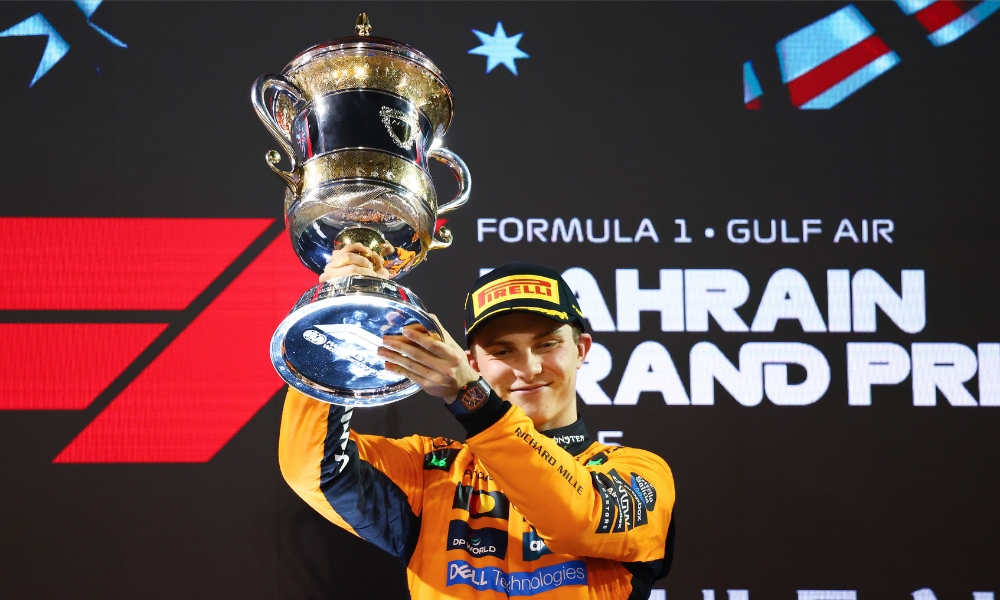
- Schedule Fallout: The cancellation leaves a five-week void between the Japanese GP on March 29 and the Miami GP on May 3. The Bahrain GP is a particular loss for teams, as the circuit is used for pre-season testing and serves as a critical real-world benchmark for new cars.
- Team Implications: While the break offers more time for development—a potential boon for teams like Aston Martin and McLaren who are facing early-season power unit issues—it also removes valuable racing data. The decision also affects Middle Eastern investments in F1, as sovereign wealth funds from the involved nations have stakes in teams like Aston Martin, McLaren, and Audi.
- Executive Response: F1 CEO Stefano Domenicali called the decision "difficult" but "right," thanking promoters for their understanding. FIA President Mohammed Ben Sulayem emphasized that safety and wellbeing were the primary considerations.
- Broader Motorsport Impact: Other series have also been affected. MotoGP has rescheduled its Qatar GP to November, shifting the end of its season. The World Endurance Championship (WEC) has moved its Qatar season-opener to October, starting its year instead at Imola in April.
What's Next:
The focus now shifts to how F1 and its teams manage the unprecedented early-season break. Teams will rely heavily on simulator and wind tunnel data without real-world racing feedback until May. Financially, the sport must absorb the substantial revenue hit. The situation also casts uncertainty over F1's other scheduled events in the region, including races in Azerbaijan, Qatar, and Abu Dhabi later in the year, should the conflict persist. The cancellations serve as a stark reminder of the geopolitical risks embedded within the global sports calendar.
Original Article :https://www.blackbookmotorsport.com/news/f1-bahrain-saudi-arabia-middle-east-con...
