








F1 eyes downforce cuts for 2027 to fix energy recovery issues
Formula 1 is set to discuss plans to reduce downforce for the 2027 season, aiming to solve a critical energy management problem that has emerged with the new 2026 cars. The FIA has found that cars with higher cornering speeds are harvesting less energy under braking, creating a performance deficit, and is pushing for aerodynamic tweaks to rebalance the equation.
Why it matters:
The 2026 technical regulations were designed around a specific performance envelope, but teams have already exceeded downforce expectations. This unintended consequence is forcing drivers to manage a significant energy shortfall during races, potentially compromising the racing spectacle. Proactively adjusting the rules for 2027 is crucial to ensure the new-generation cars deliver on their promise of closer racing and sustainable performance.
The details:
- The Core Problem: FIA Single-Seater Director Nikolas Tombazis confirmed that the 2026 cars are "going a bit faster" through corners than anticipated. This higher downforce means less energy is recovered during braking, as the cars are slowing down from higher speeds less frequently.
- Safety Driver: Beyond energy recovery, the FIA is also concerned about safety. Rapid aerodynamic development could push tire loads beyond safe limits, giving the governing body additional grounds to mandate changes.
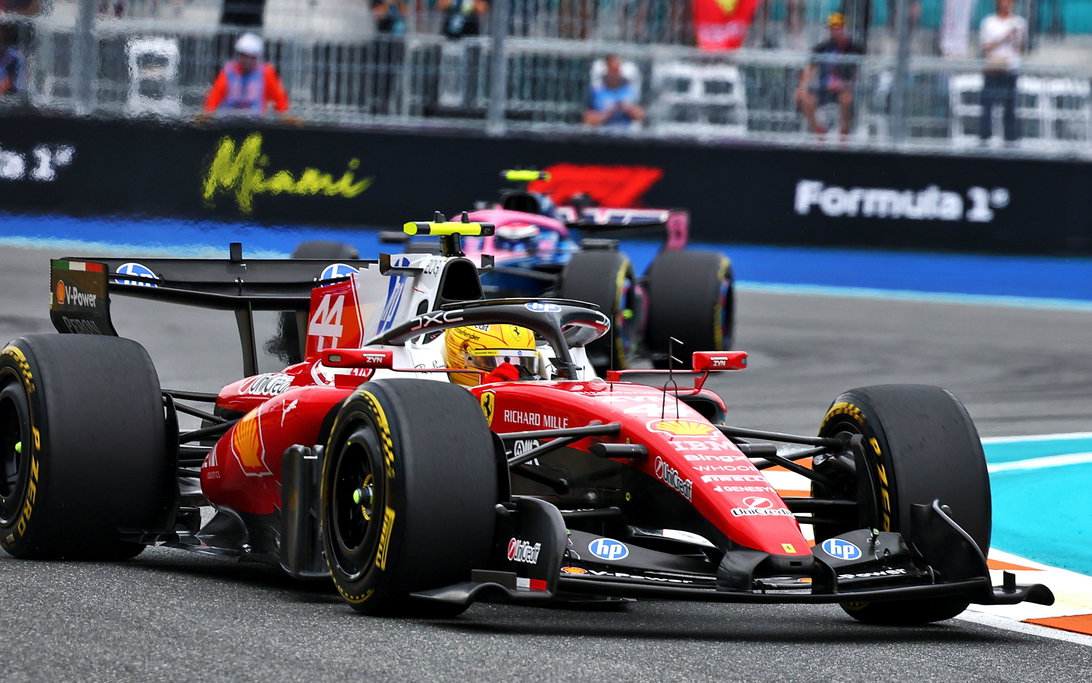
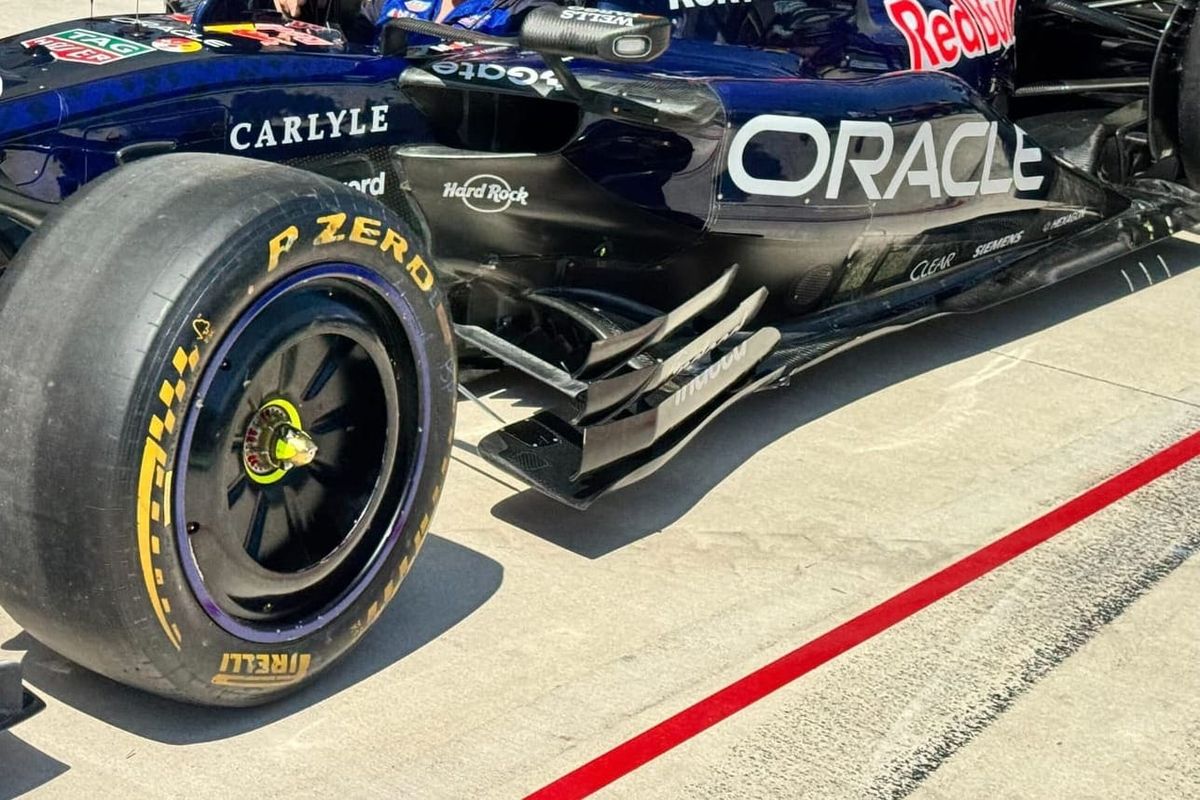
- Proposed Changes: Discussions in the Technical Advisory Committee will focus on three levels of downforce reduction—20, 30, or 50 "points"—achieved by modifying key areas like the front wing, floor, and the bodywork in front of the sidepods.
- Regulatory Power: While changes typically require team consensus, the FIA can act unilaterally on safety grounds. The technical regulations include a clause allowing immediate changes for safety reasons, which could be invoked regarding tire loads.
- Aerodynamic Success: Tombazis noted that the 2026 rules are working well for reducing dirty air and improving car following, meaning the proposed changes would target pure downforce levels, not the fundamental aerodynamic philosophy.
What's next:
Formal talks on the 2027 downforce reduction will begin soon, with the scale of the cut being the primary debate. A hardware fix, like increasing fuel flow, is not feasible until 2028 due to long lead times for power unit and chassis modifications, making aerodynamic tweaks the most practical near-term solution. Separately, a definite safety change for 2026 is also being reviewed: shortening the forward-extending "bib" section of the floor to prevent a potential intrusion risk through the halo in a crash.
Original Article :https://www.the-race.com/formula-1/f1-already-pursuing-downforce-reduction-plan-...