




F1 drivers give mixed reaction to FIA's planned safety tweaks after Bearman crash
F1 drivers have acknowledged the FIA is preparing adjustments to prevent a repeat of Oliver Bearman's heavy crash in Japan, but remain unsatisfied with the overall regulatory direction. GPDA chairman Alexander Wurz called the changes a "step in the right direction," while teams like Red Bull and McLaren are pushing for more significant hardware revisions for future seasons.
Why it matters:
Driver safety is the immediate catalyst, but the discussions reveal a deeper tension between short-term fixes and long-term competitive fairness. The push for hardware changes, even from teams currently benefiting from the rules, indicates a widespread belief that the current power unit regulations need a fundamental rethink to improve racing and safety.
The details:
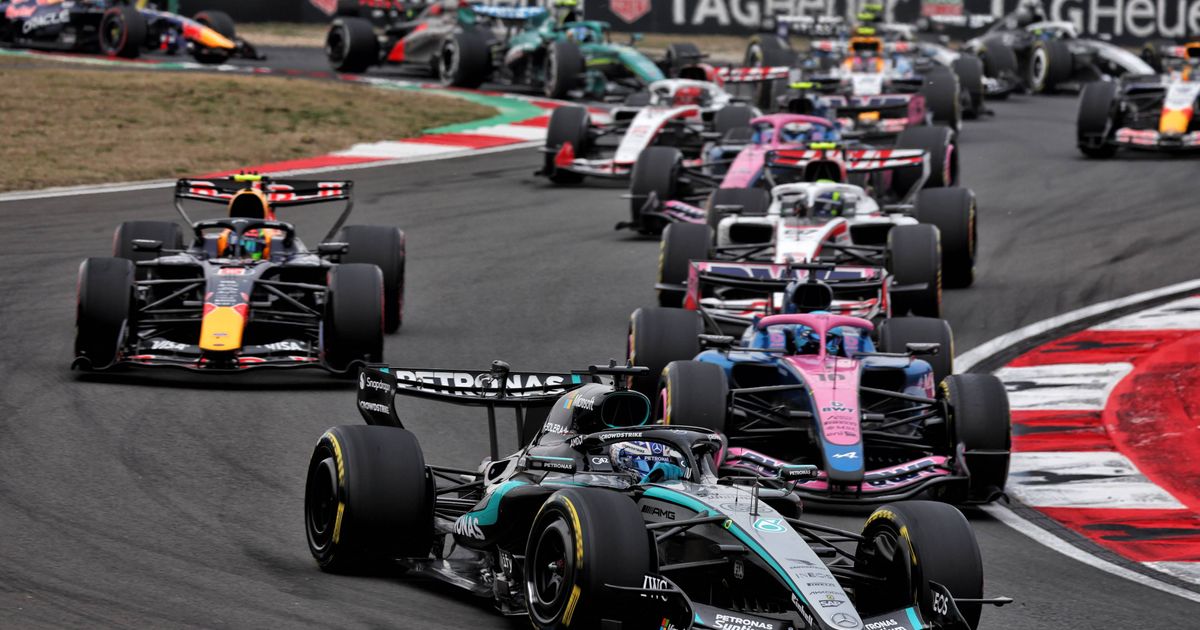
- The planned FIA adjustment targets "superclipping" incidents, where a car suddenly loses hybrid battery energy and dramatically slows, as happened to Franco Colapinto in Japan.
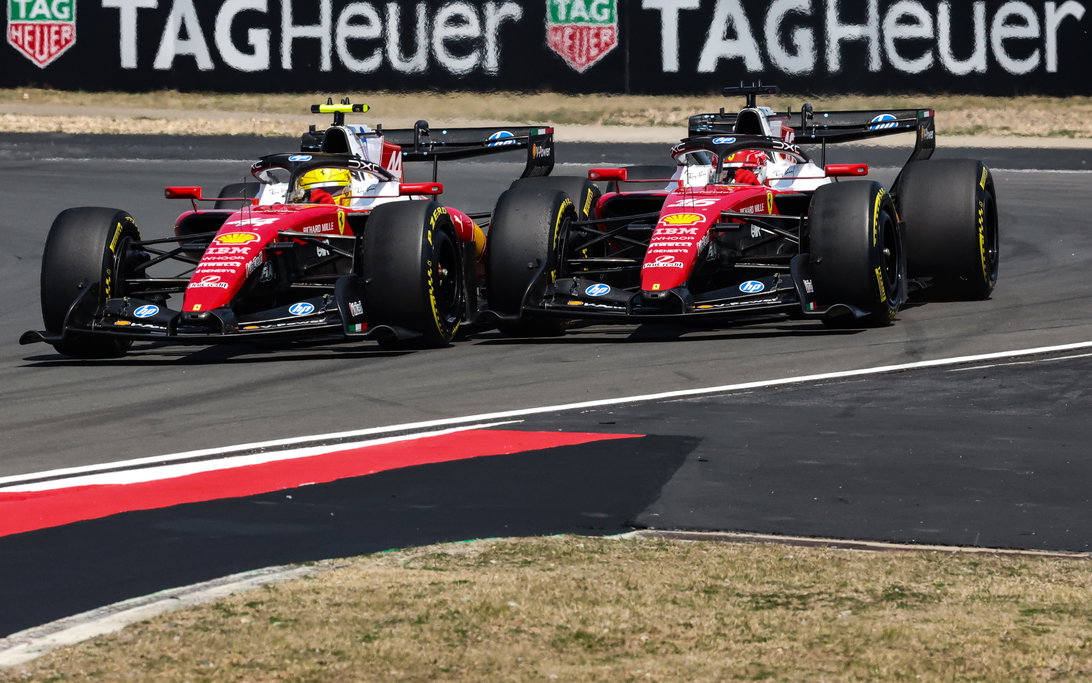
- Oliver Bearman's heavy crash occurred when he was caught out by Colapinto's slowing Alpine and lost control on the grass while taking evasive action.
- Driver Advocacy: The Grand Prix Drivers' Association (GPDA), led by Alexander Wurz, has been discussing the incident, with safety as a core priority. Wurz stated the changes are positive but admitted, "We’re not there yet."
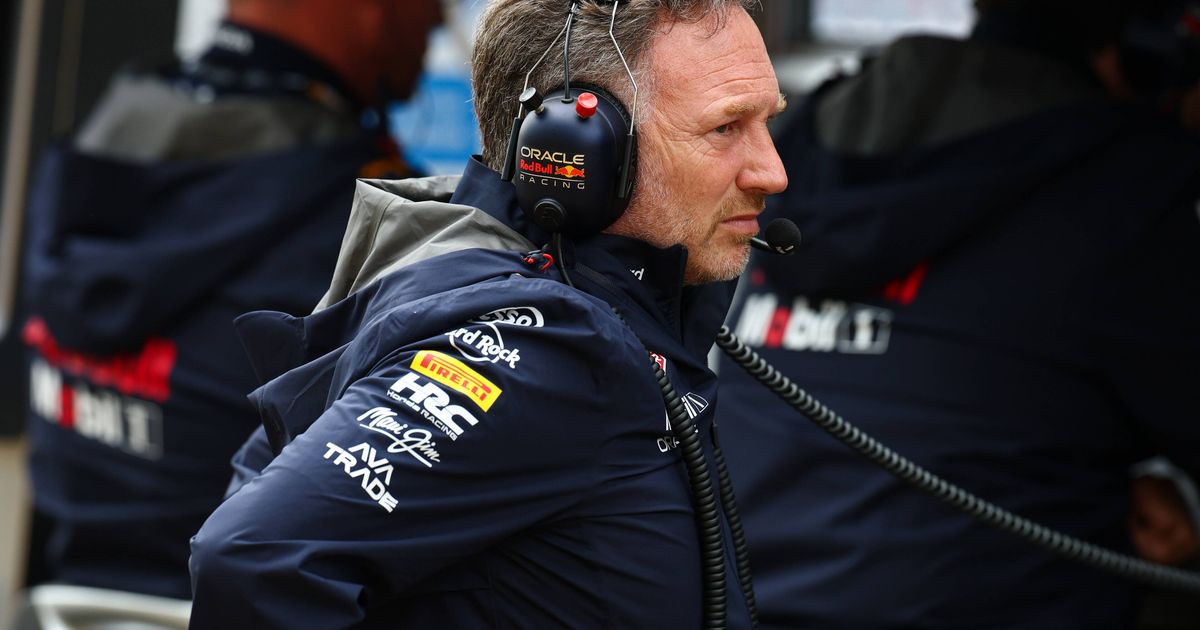
- Team Stances: Red Bull Racing and McLaren team principal Andrea Stella are aligned in advocating for future regulation changes that would allow certain engine components to be replaced or upgraded.
- This is significant because McLaren currently uses competitive Mercedes power units; any rule change could potentially reduce their advantage.
What's next:
The immediate software or procedural tweaks are expected for the Miami Grand Prix. However, the larger battle over hardware development freedom for the 2026 season and beyond is just beginning. If influential teams like Red Bull and McLaren maintain their stance, the FIA and Formula 1 may face increased pressure to introduce more flexible engine development rules in the next regulatory cycle.
Original Article :https://www.gpblog.com/en/news/f1-drivers-share-optimistic-statement-about-revis...