





F1 drivers experiencing extreme mental exhaustion during races, say analysts
Current Formula 1 drivers are facing unprecedented levels of mental exhaustion during grands prix, according to observations from F1 TV analysts and former world champions. The intense cognitive load is attributed to the complex systems and constant decision-making required by the latest generation of cars, which multiple drivers and experts confirm is more mentally draining than physically taxing.
Why it matters:
The shift from physical to mental fatigue represents a fundamental change in the sport's demands, impacting driver performance, race strategy, and potentially even safety. If drivers are cognitively overloaded, their ability to make split-second decisions or maintain consistent pace over a race distance could be compromised, altering how teams manage their athletes and develop car systems.
The details:
- Expert Observations: F1 TV analyst Alex Brundle noted a clear trend post-race, stating every driver appearing for interviews looks visibly "drained" and has "worked hard," emphasizing the mental effort required.
- Champion's Perspective: 1997 champion Jacques Villeneuve clarified the nature of the exhaustion, explaining, "It's not physical. It's mental... the mental drain of all the energy and the focus they need." He pointed out that the current cars are physically less demanding than previous generations.
- A New Kind of Challenge: 1996 champion Damon Hill compared the drivers' task to "patting your head and rubbing your tummy at the same time and then juggling," highlighting the overwhelming number of buttons, modes, and systems requiring constant attention. The new regulations have introduced complex energy management, overtake modes, and other strategic elements that add layers of in-race computation.
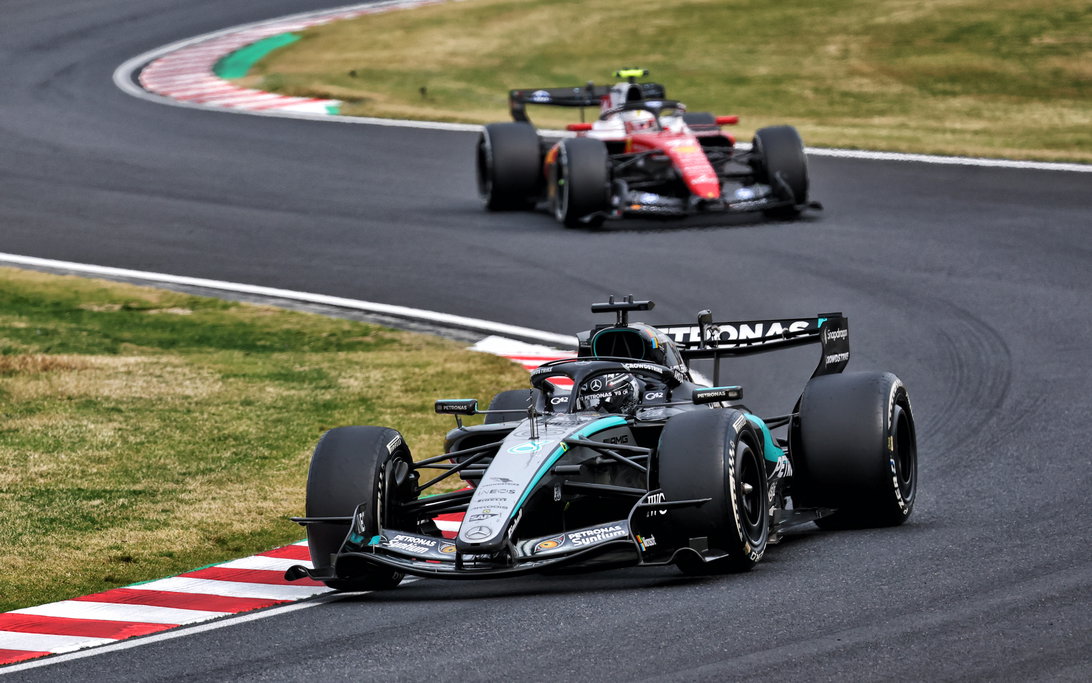
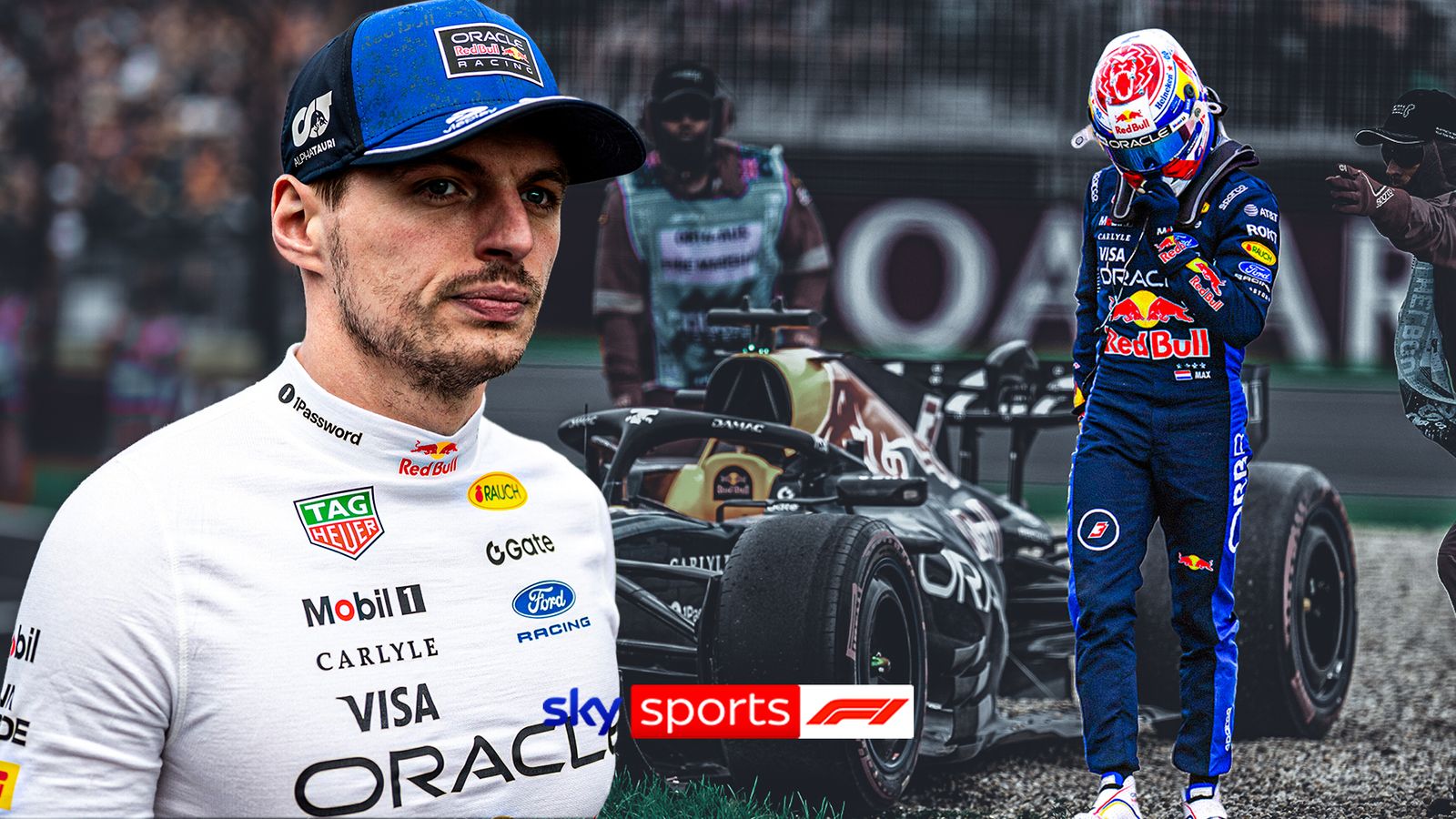
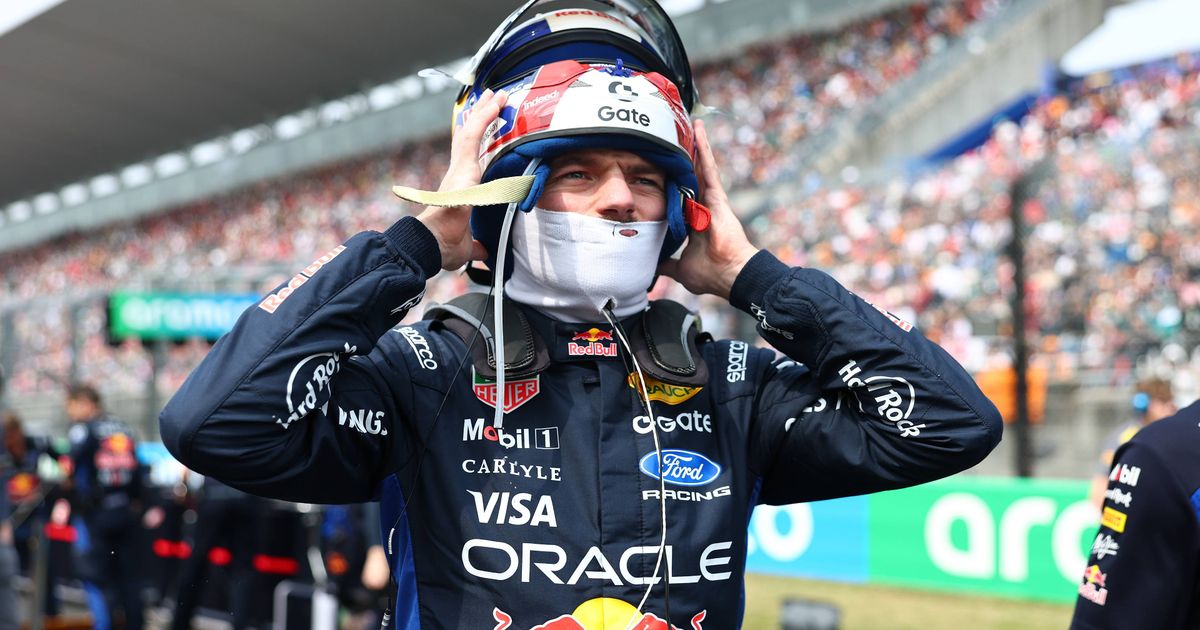
- Driver Testimony: Racing Bulls driver Liam Lawson confirmed the sentiment after the Japanese GP, calling himself "mentally drained" and describing the racing as "very intense" due to the increased number of factors to manage while driving.
What's next:
This growing consensus on mental fatigue is likely to influence future car development and driver training programs. Teams may seek to simplify certain operational aspects or develop better tools to manage the cognitive load, while drivers will increasingly focus on mental stamina training alongside physical preparation. As the 2026 regulation overhaul approaches, the balance between technological complexity and driver manageability will be a key consideration for the sport's stakeholders.
Original Article :https://www.motorsport.com/f1/news/f1-drivers-left-exhausted-by-2026-regulations...