




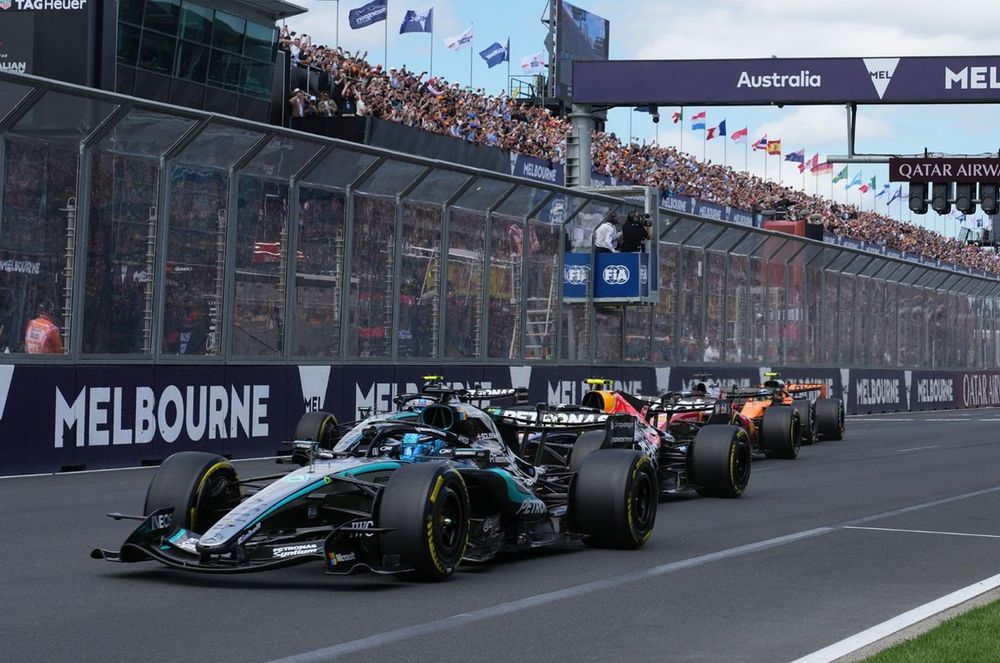
F1 drivers compare 2026 overtake mode to Mario Kart in Australian GP debut
The 2026 Formula 1 season opened in Melbourne with a mixed reception to the new technical regulations, as drivers likened the overtaking mechanics to a video game despite an action-packed race. While Mercedes celebrated a dominant 1-2 finish with George Russell leading Lewis Hamilton, the paddock's focus shifted to criticisms of the complex 'boost button' and active aero systems that defined the on-track battles.
Why it matters:
The debut of a new regulatory era is a critical moment that sets the tone for an entire F1 generation. Driver feedback on the 'feel' and authenticity of racing is crucial; if top competitors dismiss the new overtaking tools as gimmicky, it could undermine the sporting integrity the FIA aimed to enhance and lead to calls for rapid adjustments before the rules are locked in for years.
The details:
- The new overtake mode, which utilizes a temporary energy boost and aerodynamic adjustments, was a central point of contention. Ferrari's Charles Leclerc famously radioed his team, calling it "like the mushroom in Mario Kart," a comparison that resonated through the paddock.
- Haas driver Oliver Bearman echoed the sentiment, describing a disjointed experience: "It was like I was in F1 and everyone else was in F2. But then... you have to recharge the battery again, because otherwise you're dead into the next straight."
- The complexity of managing the system was a common complaint. Bearman added that the myriad of tasks made the car "not been the most fun to drive," highlighting a potential disconnect between technological spectacle and driver engagement.
- External racing series seized on the criticism. The GT4 European Series posted on social media, "Racing. With no battery boost or active aero in sight. Just saying," while Chip Ganassi Racing in IndyCar quipped about "'Super-clipping', 'downshifting on straights', 'battery management' [Yawn]."
The big picture:
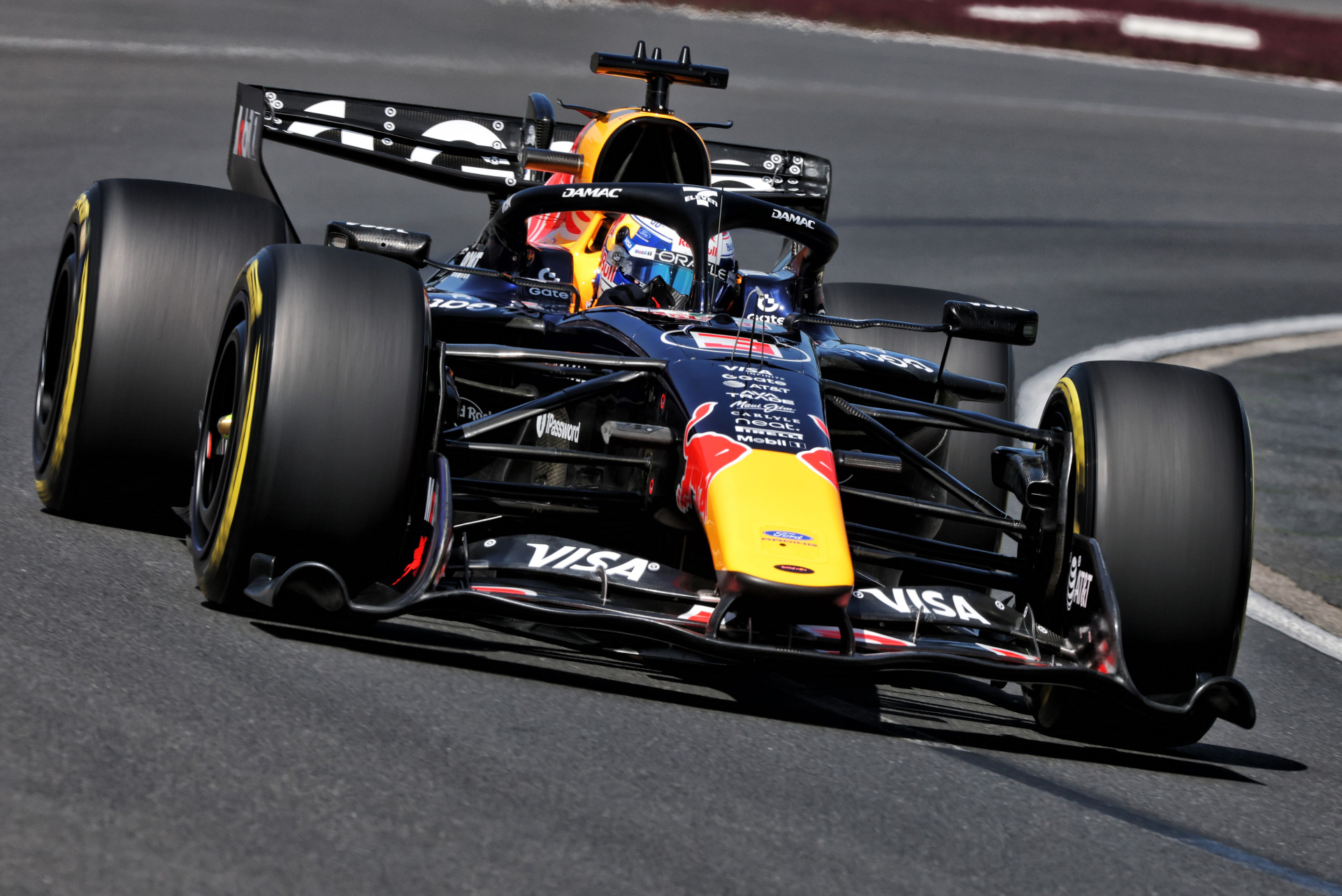
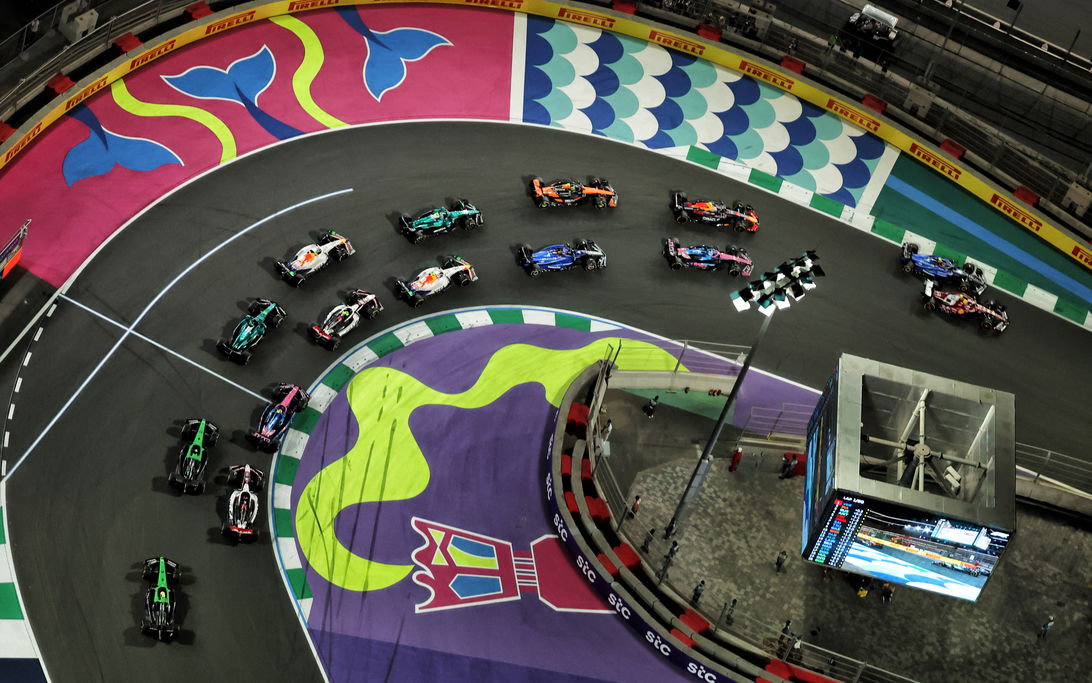
Beneath the criticism, the Australian GP delivered compelling drama, suggesting the regulations succeeded in one primary goal: improving overtaking. The race featured 120 passes, a notable early-season figure. A fierce early duel between Russell and Leclerc, Max Verstappen's charge from the back to sixth, and a points-scoring debut for rookie Arvid Lindblad provided ample entertainment, proving that raceability has likely improved even if the method feels artificial to the drivers.
What's next:
The immediate focus shifts to the Chinese Grand Prix in Shanghai, where teams will gather more data and drivers will further adapt to the new systems. The key question is whether the 'video game' comparisons will fade as familiarity grows, or if they will crystallize into a sustained critique that forces the FIA to consider refinements. The early evidence suggests the 2026 rules have made passing easier but at the potential cost of the raw, mechanical challenge drivers cherish.
Original Article :https://www.motorsport.com/f1/news/f1-rival-series-throw-shade-at-new-rules-we-d...