


F1 begins crucial 2026 rules talks amid driver safety concerns
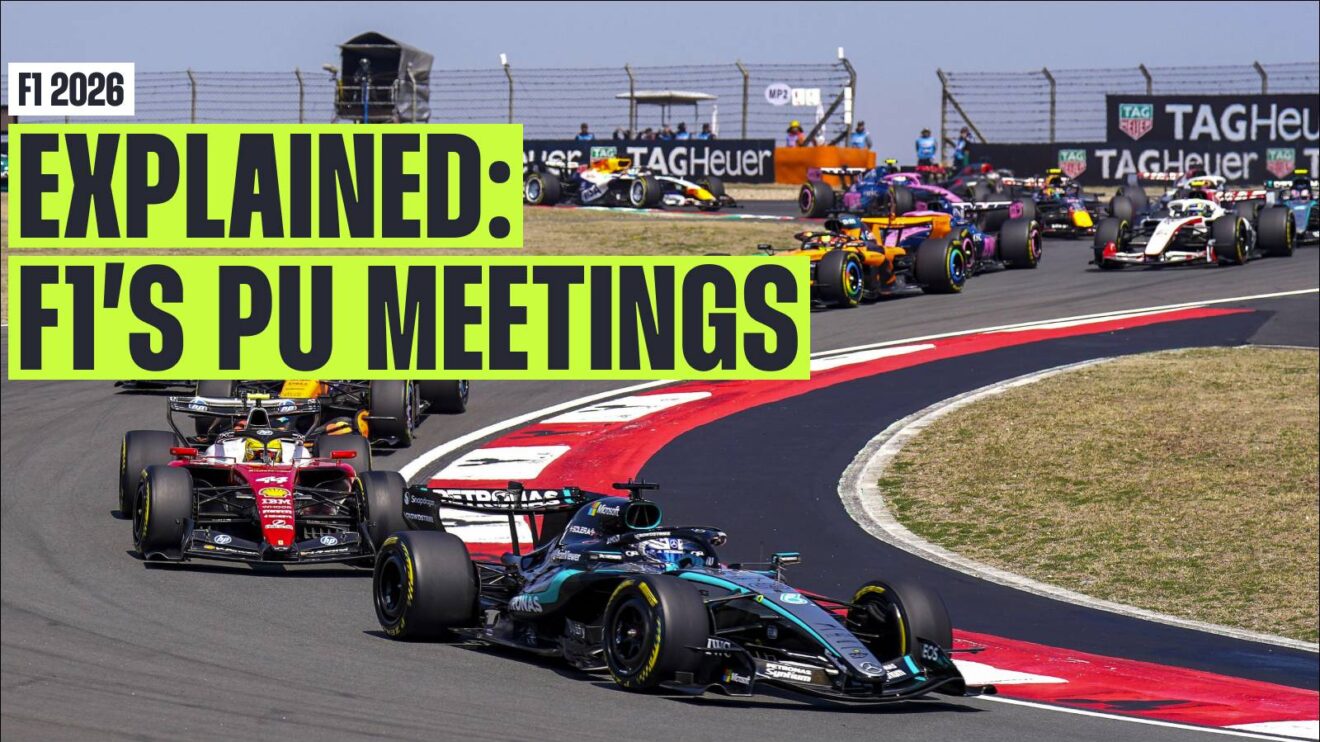
Formula 1 stakeholders are holding a series of formal meetings starting this week to evaluate potential refinements to the divisive 2026 technical regulations. The talks, driven by driver complaints about unnatural driving techniques and safety fears highlighted by a major crash in Japan, aim to address the balance between the internal combustion engine and electrical energy deployment. However, major changes to the power unit architecture are considered off the table.
Why it matters:
The 2026 rules, featuring a near 50/50 power split between engine and battery, have created a racing product where drivers must constantly manage energy harvesting through techniques like 'lift-and-coast' and 'super-clipping.' While this has led to close, back-and-forth battles, drivers argue it creates dangerous closing-speed differentials and artificial racing. The upcoming meetings represent the first organized attempt to find a consensus on tweaks before the regulations become further entrenched.
The details:
- A trio of meetings is scheduled, with the first technical review on April 9 involving team technical staff, the FIA, and FOM. Team principals will join the final session on April 20.
- The primary goal is refinement, not revolution. Sources indicate a power unit ratio change (e.g., to 60/40) is impossible due to homologated designs locked in until at least 2027.
- Key Proposal Areas: Discussions will likely focus on adjustable parameters within the existing rules, such as:
- Circuit-specific energy harvesting limits, potentially reducing the maximum from 9MJ to as low as 5MJ for qualifying at certain tracks.
- Tweaks to 'super-clipping' harvest rates or formation lap energy recovery.
- Protocols for the use of movable aerodynamics.
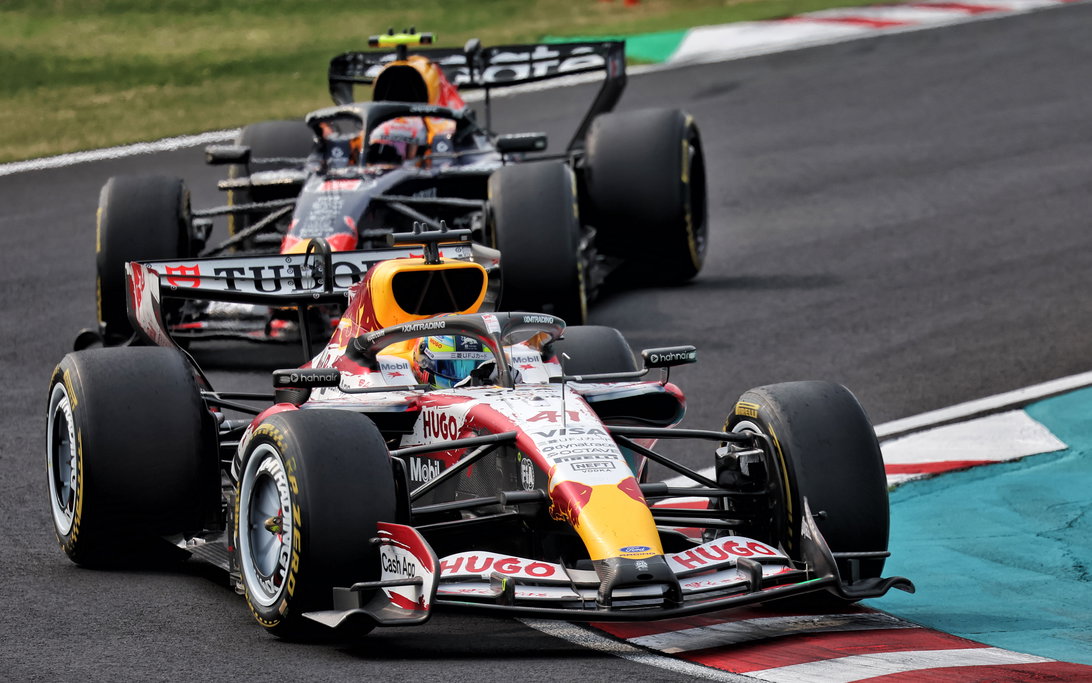
- Driver Safety Push: The catalyst for urgency was Oliver Bearman's 50G crash at Suzuka, caused by a massive closing speed differential when his car was in full battery deployment mode. Drivers, led by GPDA director Carlos Sainz, have warned such incidents will be more severe at street circuits like Baku or Singapore.
- Divided Opinions: While drivers are vocal about needed changes, some teams and senior figures believe the racing product is engaging for fans and see no urgent need for major fixes. Lewis Hamilton, who initially praised the close racing, later expressed pessimism that driver feedback would be heeded.
What's next:
Expectations for sweeping changes are low, but minor calibrations are probable. The process is standard for a new rules cycle, with tweaks already made this year to start procedures and the Suzuka energy limit.
- The challenge will be reaching a consensus among all stakeholders—teams, the FIA, FOM, and drivers—whose priorities do not fully align.
- Any agreed changes will need to navigate different regulatory frameworks (technical vs. sporting) and could impact car setup and race weekend planning for the remainder of the season.
- The outcome will signal whether the sport's leadership prioritizes driver safety concerns and sporting purity over the unpredictable but action-packed racing the current energy management creates.
Original Article :https://www.planetf1.com/news/f1-2026-regulations-meetings-what-to-expect-fia-ru...