


F1 2026's First Race: Imperfect Start, But No Disaster
The first competitive session of Formula 1's 2026 era in Melbourne revealed a ruleset that is far from perfect but not the feared disaster, with a surprisingly tight field and Mercedes emerging as the early benchmark. While drivers struggled with heavy energy harvesting and compromised performance on the straights, the overall picture suggests a workable foundation for the new technical regulations.
Why it matters:
After months of political debate and dire predictions from team bosses about chaotic qualifying, the 2026 package's debut was a critical first test. The initial feedback, set against the challenging backdrop of Albert Park's high-energy demands, provides the first real-world data point on whether the new direction can produce compelling racing or needs urgent revision.
The Details:
- A Manageable Debut: Fears of a qualifying "sh*tshow" did not materialize. While seeing cars run out of energy on straights was dispiriting, the session was not a meltdown, offering hope that with FIA tweaks and team development, the rules can be acceptable.
- A Tightly Packed Grid: A major positive was the competitive field. With the exception of struggling Aston Martin and newcomer Cadillac, the majority of the 22 cars were covered by about 1.5 seconds, a promising sign for close racing.
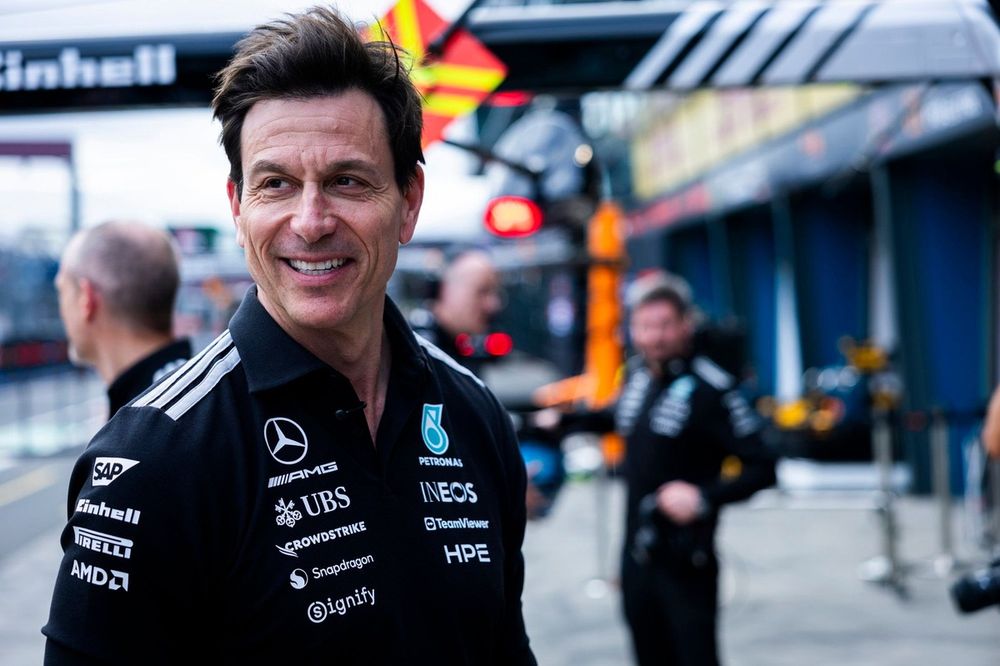
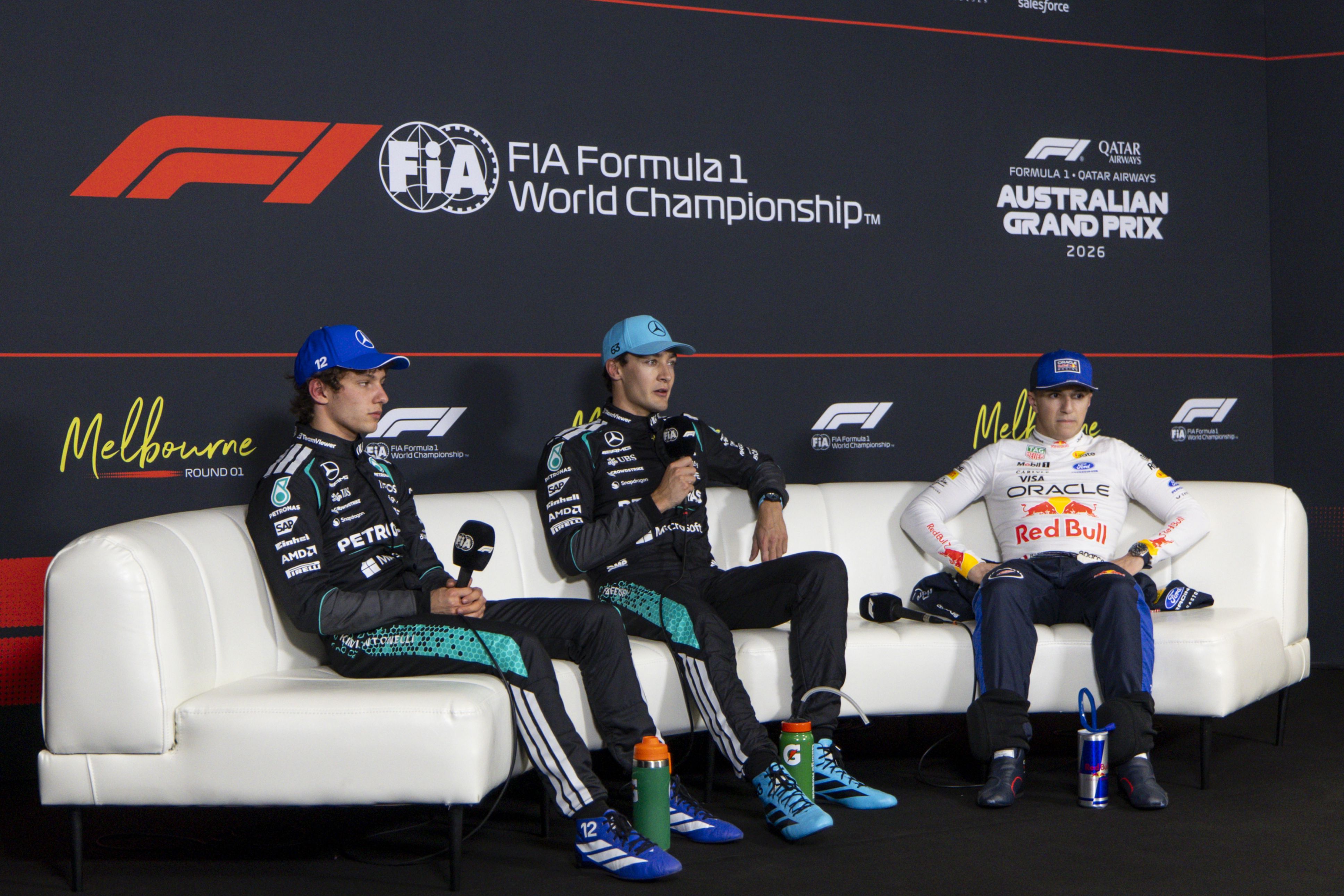
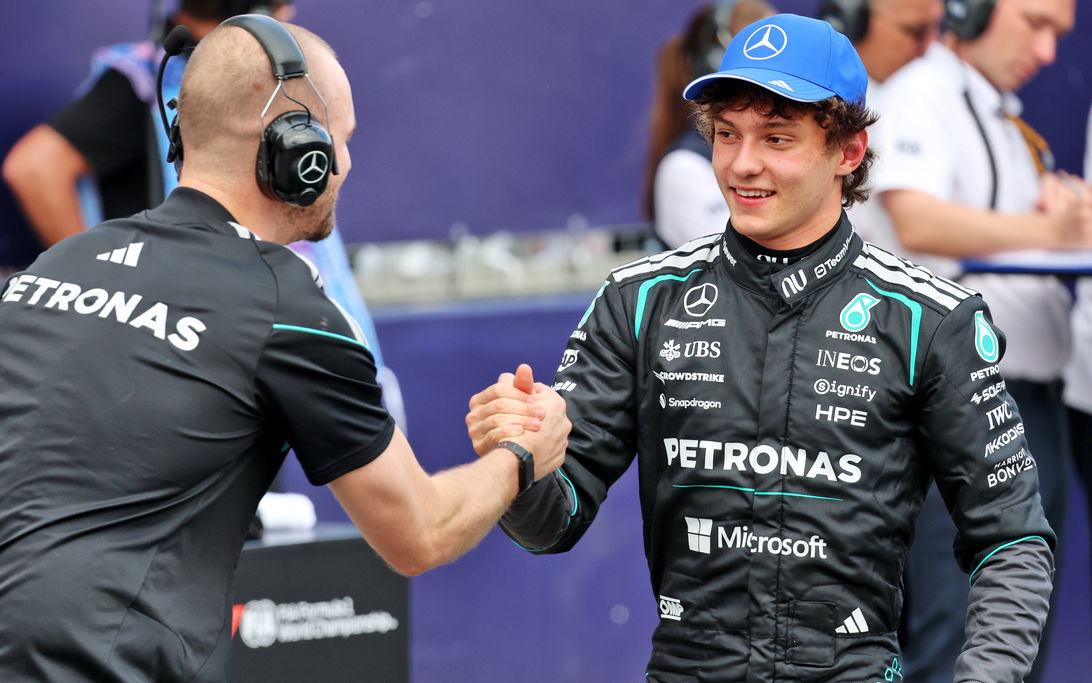
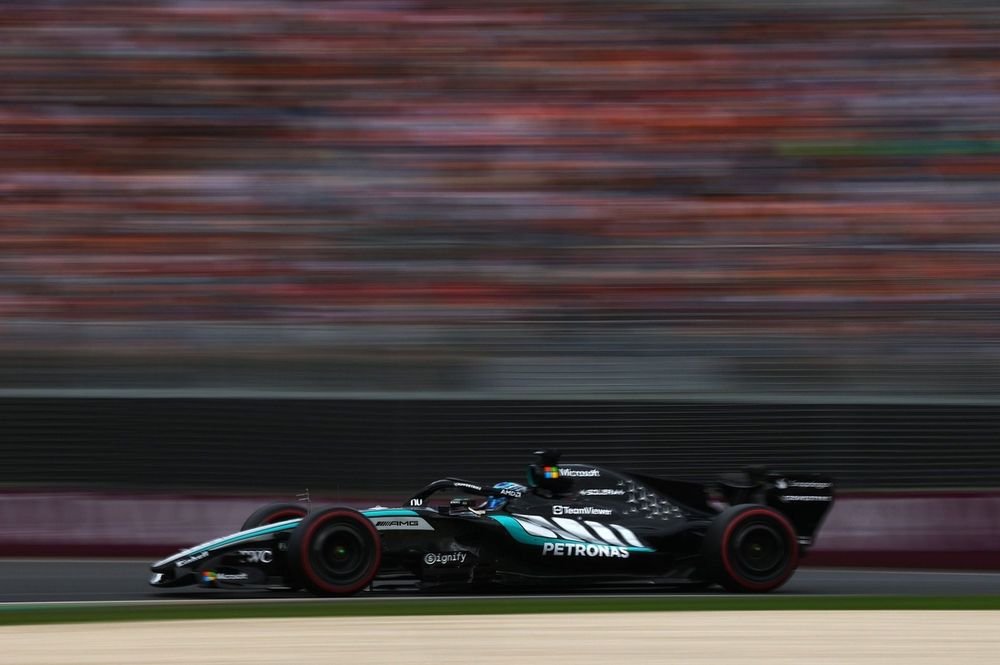
- Mercedes Lives Up to Hype: Despite downplaying expectations, Mercedes' impressive long-run pace and George Russell's qualifying performance confirm the team as the early dominant force, offering Russell a potential championship-contending car.
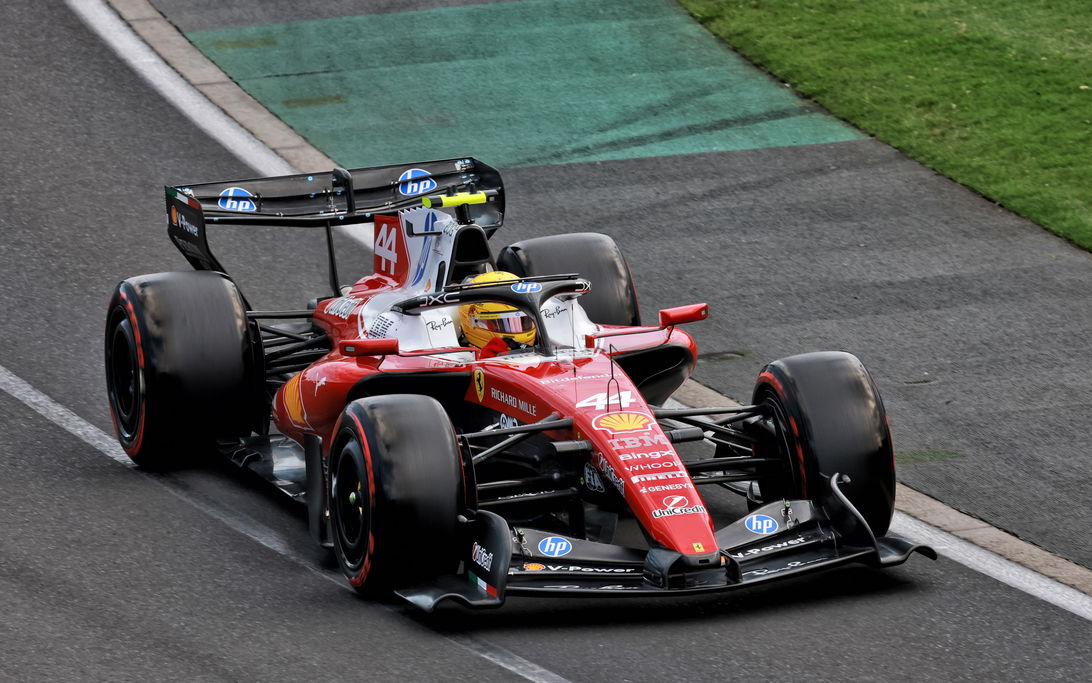
- Ferrari's New Dawn: After a dismal 2025, Ferrari's full focus on 2026 appears to be paying off. The car looks competitive, and new signing Lewis Hamilton seems more comfortable with it than the previous generation of ground-effect machinery.
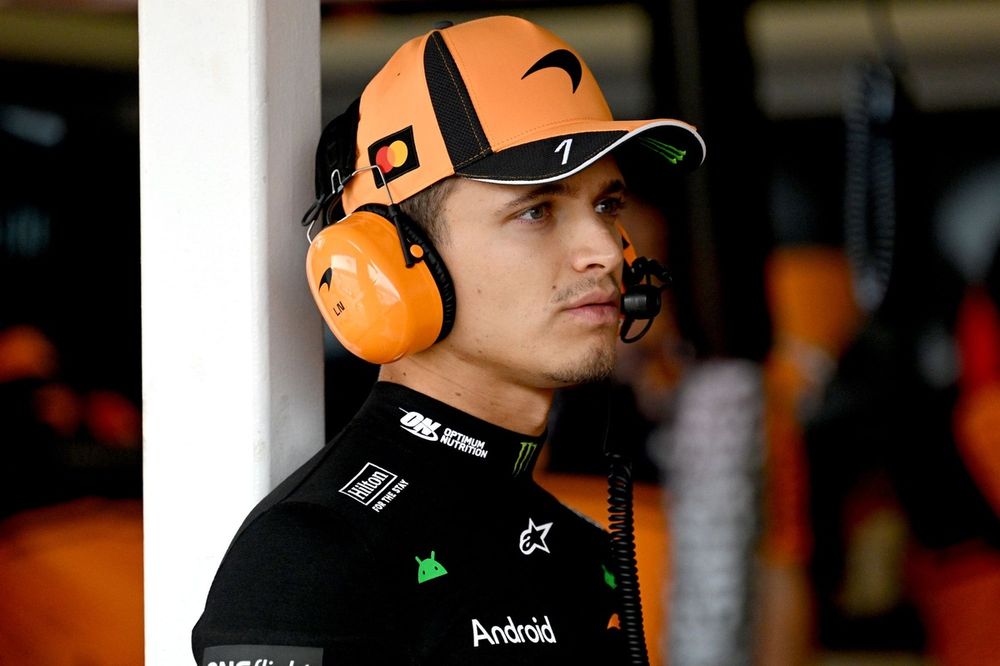
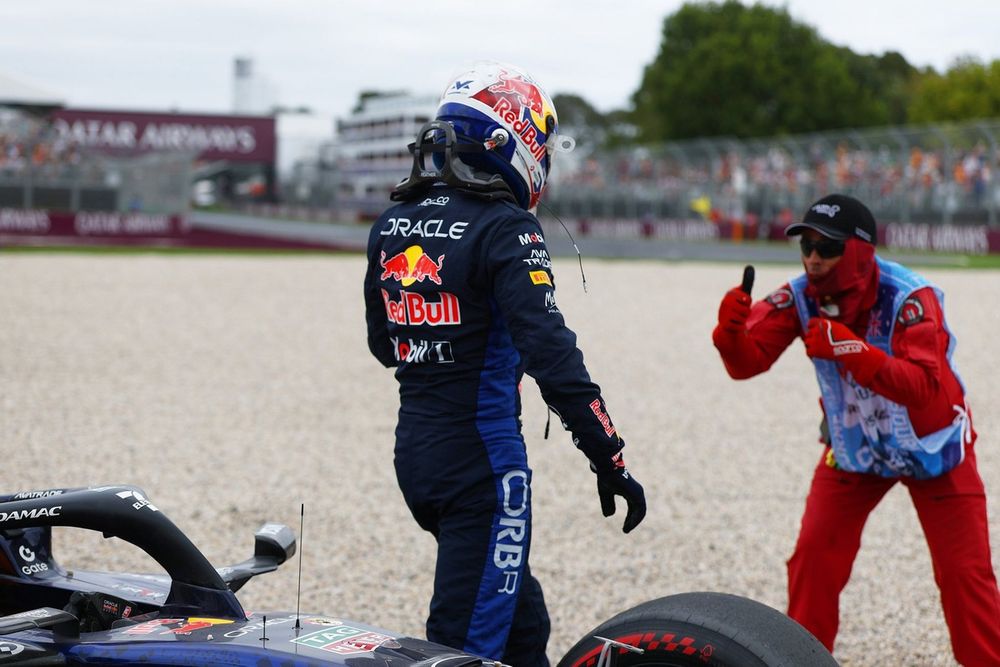
- Red Bull & McLaren Playing Catch-Up: The predicted pecking order from testing—Mercedes, Ferrari, then McLaren and Red Bull—largely held. Both teams had troubled weekends, but their proven development prowess means they cannot be ruled out.
- Aston Martin's Ongoing Crisis: The team's partnership with Honda is unfolding as a disaster, with Adrian Newey revealing embarrassing details about a lack of preparedness and severe vibration issues. The race team's effort to simply field two cars is commendable.
- Cadillac Makes the Grid: F1's 11th team had a messy but ultimately successful debut, getting both cars on track and into the race despite persistent gremlins, marking a respectable first step for the GM brand.
What's Next:
Melbourne is just the starting point for a season of rapid development. The circuit-specific nature of the 2026 cars' energy management means the pecking order could shift weekly. The FIA must avoid knee-jerk reactions to early data, while teams like McLaren and Red Bull will be counting on their development speed to close the gap to Mercedes. All eyes now turn to the race itself to see if the new rules can deliver on their promise of closer competition.
Original Article :https://www.motorsport.com/f1/news/five-quick-takeaways-from-f1-2026s-first-qual...