




F1 2026's driver dilemma: When machines overshadow skill
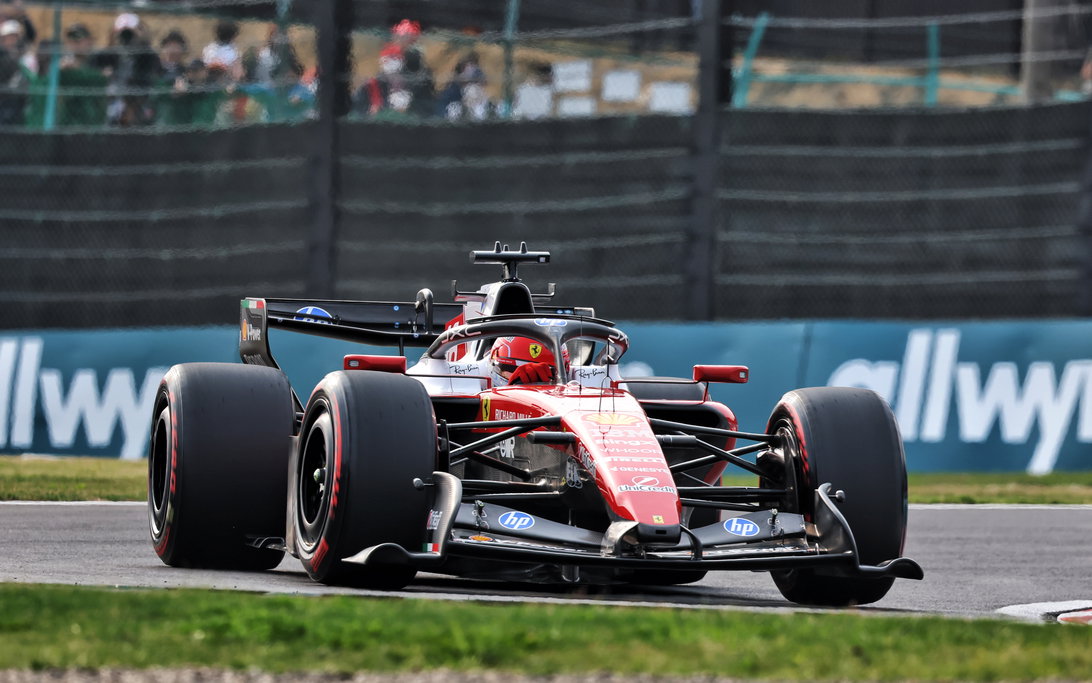
The 2026 Formula 1 regulations have tipped the competitive balance so far in favor of the machinery that it has become exceptionally difficult to judge a driver's true skill and contribution. This paradigm shift, observed through the first three races, has significantly diminished the human element, creating a scenario where driver input and car performance are often disconnected, leaving even the competitors themselves frustrated and surprised by the car's behavior.
Why it matters:
The core appeal of F1 has always been the synthesis of elite human skill and cutting-edge engineering. By dramatically reducing the driver's ability to influence performance through traditional driving artistry—like carrying corner speed or pushing to the absolute limit—the sport risks eroding a fundamental part of its brand equity. If the best drivers cannot consistently showcase their talent and make a visible difference, the "gladiatorial" spirit that attracts fans is undermined.
The details:
- Loss of Driver Control: A key issue is the autonomy of the car's energy deployment systems. Self-learning mechanisms create situations where drivers are regularly surprised by the car's behavior, leading to unintentional overtakes or unpredictable performance swings that aren't directly linked to their inputs.
- Punished for Driving Well: Key tenets of driving fast are now neutered. Being "brave" and carrying more speed through corners can actively make a driver slower on the straights due to the energy harvesting (super-clipping) system, incentivizing drivers to drive slightly within themselves.
- Flattened Performance Peaks: The performance equation overwhelmingly favors straight-line power gained from energy management over cornering prowess. This flattens the tiny variations in driver skill that traditionally made the difference, prioritizing repeatability and consistency over spectacular, limit-pushing qualifying laps.
- Invisible Variables: From the outside, it's often impossible to discern whether a performance gain or loss was due to driver skill or the car's opaque energy management system, making fair assessment extremely challenging.
Between the lines:
This is not a nostalgic complaint about a lack of sideways action, but a fundamental critique of the competition's framework. The regulations, shaped heavily by the notional 50/50 power split between the V6 and electric motor, have created unintended consequences. Drivers like Oscar Piastri have noted that the complex trade-off isn't solved by skill but is dictated by an overwhelming machine advantage. The sport has inadvertently created a scenario where the adversary—the engineering challenge—can sometimes be easier to overcome than the human rival in the next cockpit.
What's next:
F1 has acknowledged the problem and voted through imminent mid-season rule changes aimed at mitigating these issues and partially redressing the balance. However, the limitations are hard-wired into the 2026 regulations, meaning a complete fix is unlikely this season.
- The lesson for future rules planning is clear: a single-minded focus on one technical objective (like the power unit split) risks eroding the essential driver contribution that is central to the sport's appeal.
- The commercial health of F1 depends on its stars being able to fight and showcase their skill. Ensuring the regulations allow drivers to be the decisive factor, not just passengers to a machine's algorithm, must be a primary consideration moving forward.
Original Article :https://www.the-race.com/formula-1/f1-2026-why-so-hard-to-tell-who-is-actually-g...