







F1 2026 Power Unit Homologation Deadline Arrives: What It Means
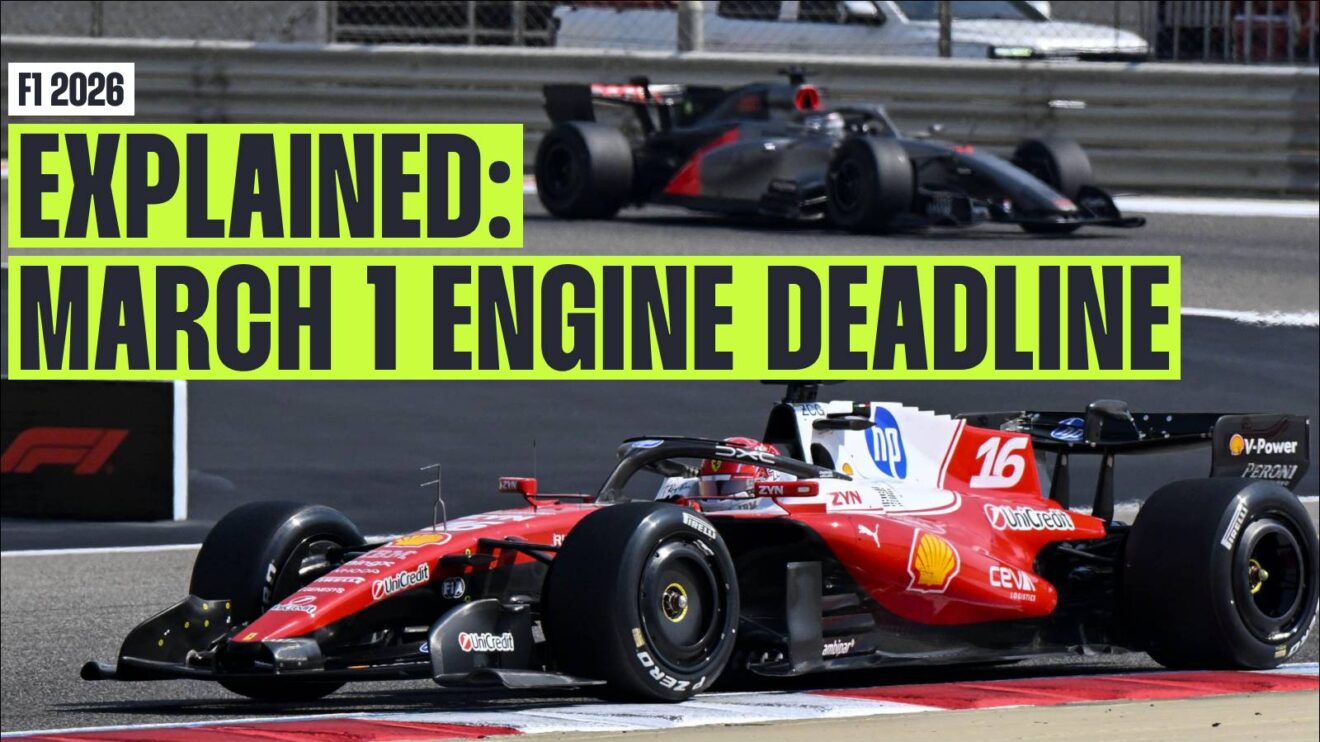
March 1 marks a critical regulatory milestone for Formula 1's 2026 season, as all power unit manufacturers must submit their final, homologated engine designs to the FIA. This process effectively 'freezes' the core specifications of the new-generation, sustainable-fuel power units that will compete through the 2030 season, setting the stage for the next era of competition.
Why it matters:
Homologation locks in the fundamental performance potential of each manufacturer's power unit for a five-year cycle. With development heavily restricted post-deadline, a competitive advantage secured now could define a team's fortunes until 2030, making this one of the most significant behind-the-scenes moments in the new regulation cycle. It also formalizes the entry of new manufacturers like Audi and the future arrival of General Motors (Cadillac).
The details:
- The Deadline: All registered Power Unit Manufacturers (PUMs) for 2026—Ferrari, Mercedes HPP, Red Bull Powertrains, Audi, and Honda—were required to submit a complete homologation dossier to the FIA by March 1, 2026. This date applies for any new entrant in subsequent years (e.g., GM must submit by March 1, 2029).
- The Dossier: This comprehensive submission must detail every critical component of the power unit as defined by the regulations, including:
- The Internal Combustion Engine (ICE)
- Turbocharger (TC)
- Energy Store (ES/Battery)
- MGU-K
- Control Electronics (PU-CE)
- Exhaust System (EXH)
- Sealing & Approval: The FIA has up to 14 days to review and approve the submissions. Once approved, the designs are "sealed" to prevent illegal modifications, with physical reference units submitted to the FIA by April 1 for comparison.
- Customer Team Parity: A single homologated design applies to all teams supplied by a manufacturer (e.g., Mercedes' design for its works and customer teams). Manufacturers must ensure identical hardware, software, and operational procedures for all customers, including providing detailed installation and operational parameters by August 1, 2025.
What's next:
While the core design is now locked, the regulations allow for a controlled evolution of the power units.
- Reliability & Minor Tweaks: Manufacturers can apply for changes to address reliability issues or make minor approved adjustments to components like wiring or hose routing, subject to FIA and competitor review.
- Performance Upgrades: A strict, pre-defined upgrade token system allows for limited performance developments at specific points in the five-year cycle. Additionally, struggling manufacturers may be granted Additional Development and Upgrades Opportunities (ADUO).
- The Road to 2026: With designs submitted, the focus intensifies on integration, reliability running, and preparing for the first pre-season tests with the new cars and engines. The homologation deadline has set the final technical foundation for F1's next chapter.
Original Article :https://www.planetf1.com/news/f1-2026-power-unit-homologation-rules-march-1-dead...