







F1 2026: MOM Out, 'Overtake Mode' and 'Boost Mode' In as New Terms Defined
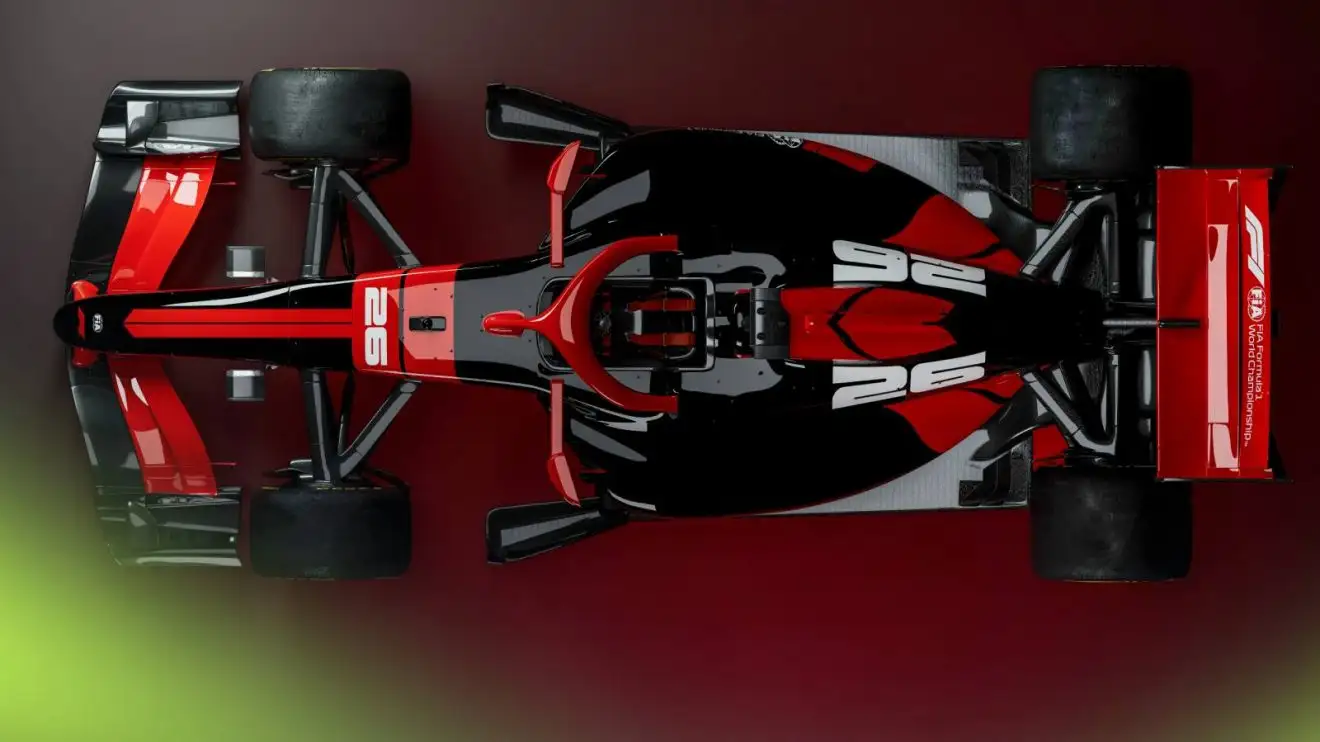
Formula 1 has officially updated the key terminology for the 2026 season, replacing the outgoing 'Manual Override Mode' (MOM) with 'Overtake Mode' and introducing 'Boost Mode' as part of a sweeping overhaul of the technical and sporting lexicon. The changes reflect the sport's shift away from the turbo hybrid era and the introduction of radically new cars with active aerodynamics and a 50/50 power split between combustion and electric energy.
Why it matters:
The new terminology isn't just a rebranding exercise; it signals a fundamental shift in how drivers will race and manage their cars. Replacing the long-standing DRS system with a more integrated 'Overtake Mode' and adding a strategic 'Boost Mode' fundamentally changes the tools available for racecraft. This, combined with lighter, narrower cars and active aerodynamics, aims to create a new generation of Formula 1 that is more agile, efficient, and strategically nuanced.
The Details:
- Overtake Mode replaces DRS: This is the direct successor to the Drag Reduction System (DRS). It allows a driver within one second of a car ahead to deploy extra power to attempt a pass. Unlike DRS, which was a simple drag reduction tool, Overtake Mode is described as a "strategic tool" that can be used all at once or spread over a lap.
- Introducing Boost Mode: A new, catch-all term for deploying maximum battery power from the Energy Recovery System (ERS). At the push of a button, a driver gets maximum power from both the engine and battery, usable anywhere on the track, adding a new layer of in-race strategy.
- Active Aero enters the lexicon: Previously discussed as 'X Mode' or 'Z Mode,' 'active aero' is now the official term. It allows both front and rear wing angles to adjust automatically for corners and straights, maximizing grip and enabling strategic adaptability to the car's power delivery.
- 'Recharge' remains: Drivers will continue to recharge their battery by braking or lifting off the throttle, a concept carried over from the current ERS systems.
The Big Picture:
The terminology update is a window into the broader 2026 technical revolution. The cars will be lighter and narrower, with a 30kg reduction in minimum weight. Ground effect aerodynamics are gone, leading to a projected 15-30% downforce reduction. However, active aero is expected to cut drag by approximately 40%, potentially enabling top speeds nearing 400 km/h. The power units will feature a near-equal split between a 1.6-liter V6 and electrical energy, with the MGU-K's output almost tripling to 350kW as the MGU-H is removed. All this will run on just 70kg of sustainable fuel per race.
What's Next:
With the final chassis and power unit regulations being locked in, teams are now deep into the design and simulation phase for their 2026 challengers. The new terms—Overtake Mode, Boost Mode, and active aero—will soon move from press releases to the radio communications and strategy debates that define a Grand Prix weekend, marking the true beginning of a new era in Formula 1.
Original Article :https://www.planetf1.com/news/f1-2026-terminology-revealed-fia