





David Croft Questions Timing Systems After Monaco Pitlane Penalty Surge
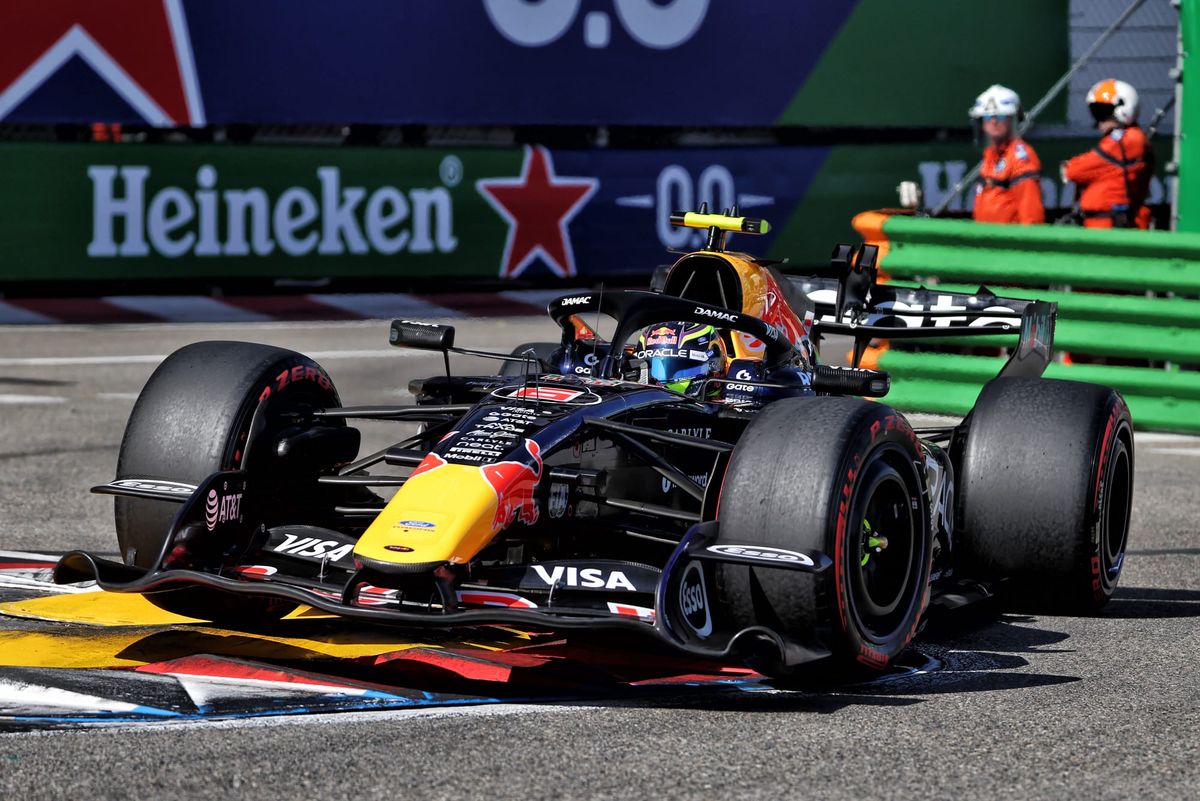
The Monaco Grand Prix was meant to be a celebration of Kimi Antonelli's fifth consecutive victory. However, the race was clouded by an unprecedented number of pitlane speeding penalties that disrupted the standings and left commentators questioning the accuracy of the timing systems.
Why it matters:
When penalties are handed out for margins as slim as 0.1km/h, the line between a driver error and a systemic glitch blurs. In a race where track position is everything, these penalties didn't just affect lap times—they stripped drivers like Pierre Gasly and George Russell of podium-worthy results, undermining the sporting integrity of the event.
The details:
- Systematic Doubt: David Croft noted that while one or two penalties are normal, the volume seen in Monte Carlo was "amiss," suggesting a potential flaw despite Race Control's insistence that their systems were working perfectly.
- Marginal Errors: Many drivers were penalized for exceeding the limit by a negligible 0.1km/h. Croft argued that such increments do not represent a genuine attempt to gain a sporting advantage, but rather point toward a timing discrepancy.
- Collateral Damage: The penalties directly impacted the final classification, most notably costing Pierre Gasly a podium finish in one of the season's most prestigious races.
- Alpine's Challenge: Alpine has filed a right of review, claiming to have new data that proves their driver was not actually speeding.
What's next:
The focus now shifts to the stewards' decision on Alpine's appeal. If the right of review reveals a timing discrepancy, it could trigger a wider investigation into the pitlane monitoring systems and potentially lead to a reconsideration of how ultra-marginal penalties are handled to avoid compromising race results.
Original Article :https://www.motorsport.com/f1/news/david-croft-perplexed-by-monaco-gp-penalties-...