



Colapinto warns of 'really dangerous' F1 speed gaps after Bearman's 50G crash
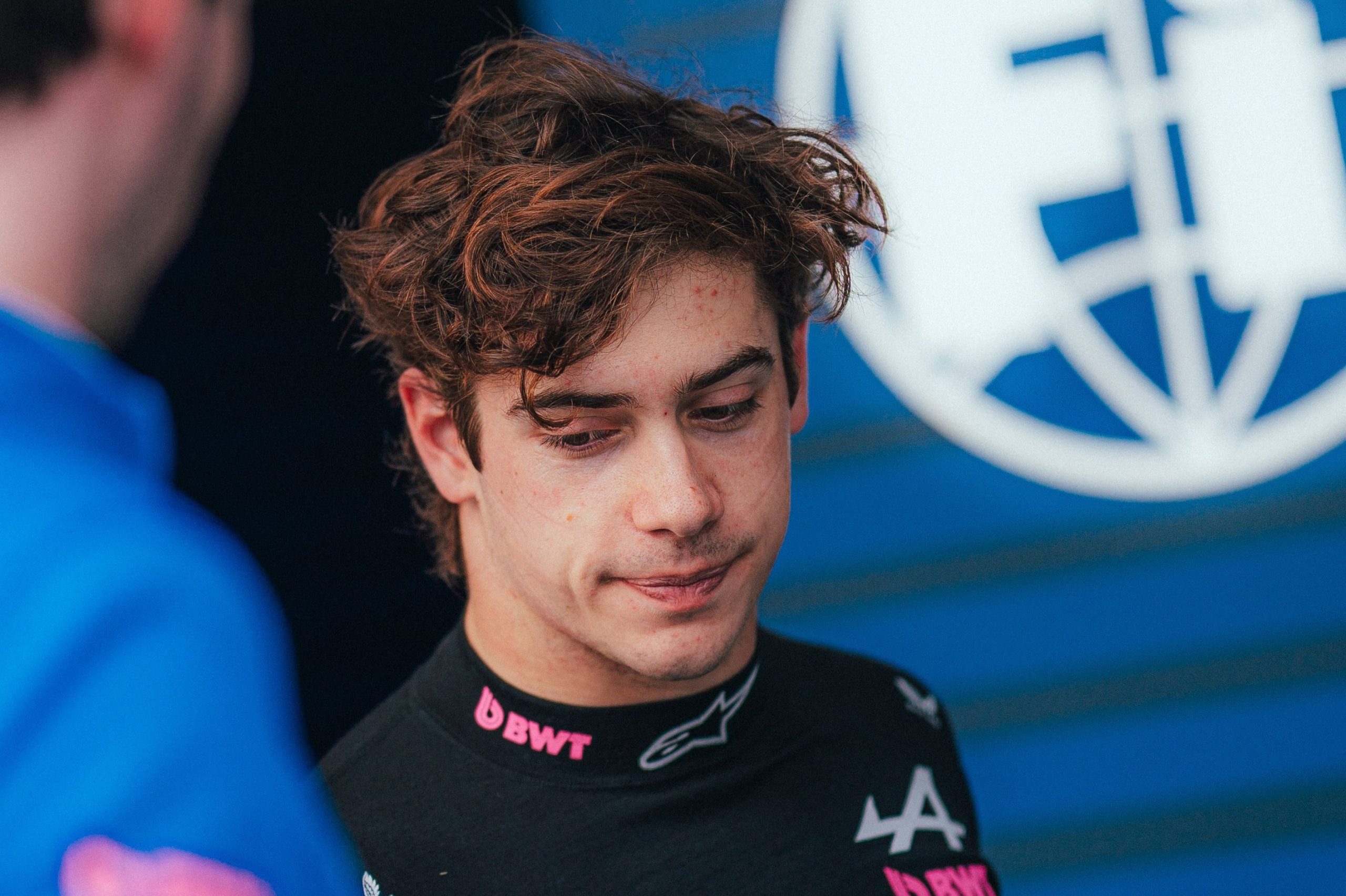
Alpine rookie Franco Colapinto has issued a stark warning about the "really dangerous" closing speeds created by Formula 1's hybrid power unit energy management, following Oliver Bearman's massive 50G crash in Japan. The incident highlighted a critical safety concern where cars harvesting energy can become virtual "sitting ducks" for much faster-approaching rivals on high-speed sections of track.
Why it matters:
The extreme speed differentials, a byproduct of the complex energy recovery and deployment systems, are creating unpredictable and high-risk situations that challenge driver reaction times. This undermines both on-track safety and the integrity of racing, as overtakes can appear artificially easy and dangerous incidents become more likely, especially on flowing circuits with few true straights.
The details:
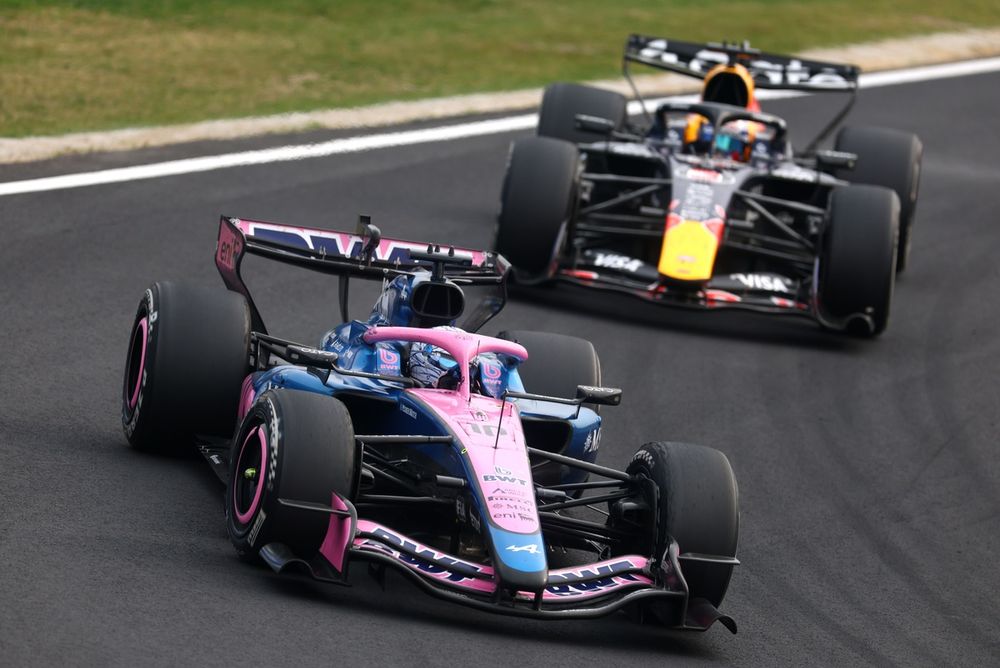
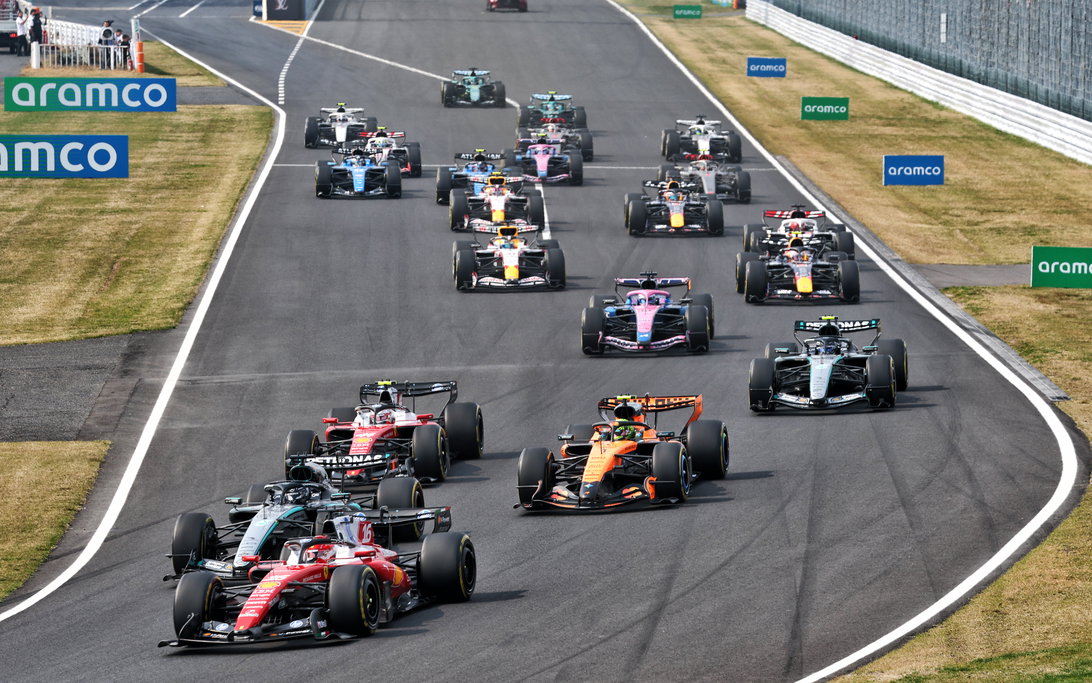
- The trigger event occurred at Suzuka when Colapinto, harvesting energy through Sector 2, slowed dramatically. Bearman's Haas, approaching at a much higher speed, had to take extreme evasive action to avoid a collision.
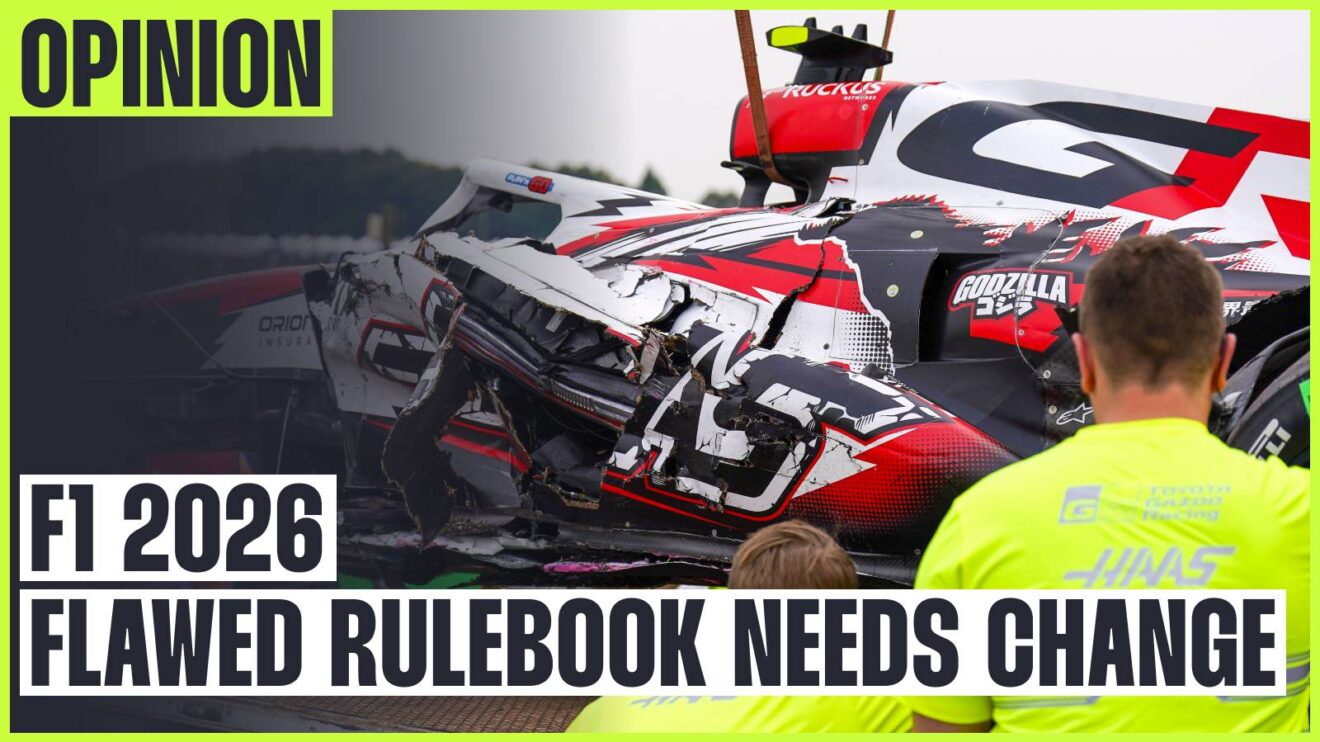
- Bearman's avoiding maneuver sent him off-track into a spin, resulting in a heavy 50G impact with the barriers at Spoon Corner. He was later released from the medical center with only minor injuries.
- Colapinto described the experience as being a "sitting duck," noting the speed difference was akin to one car being on an out-lap and another on a qualifying push lap.
- A Recurring Problem: This was not an isolated incident for Colapinto. He referenced a similar near-miss in Melbourne with Liam Lawson, where a car was traveling approximately 100 kph slower, forcing him to take drastic avoiding action.
- The Circuit Factor: The danger is magnified on modern, flowing circuits like Suzuka, where high-speed corners blend together, leaving drivers minimal time to react to a suddenly slow-moving car ahead, especially when not on a straight line.
What's next:
Colapinto has called for the FIA and F1 to urgently review the situation. The concern is that the current energy management rules, while promoting technological innovation, may be creating unacceptable safety trade-offs and "artificial" racing moments.
- The focus will likely be on whether regulations can be adjusted to mitigate these extreme deltas in closing speed without compromising the core hybrid power unit formula.
- This incident adds to the ongoing dialogue about car performance differentials and safety, ensuring it remains a priority topic for the sport's governing bodies as they plan for future regulations.
Original Article :https://f1i.com/news/562120-sitting-duck-colapinto-sounds-alarm-over-f1-speed-ga...