



Brundle hails F1's Miami energy rule fixes: 'Cars looked alive again'
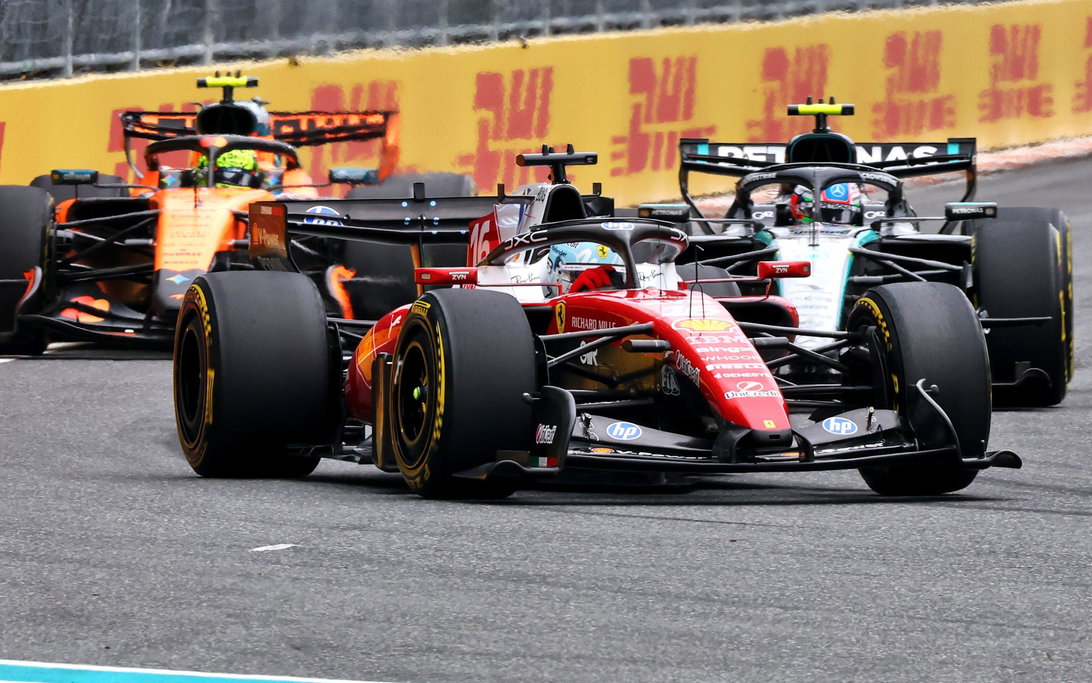
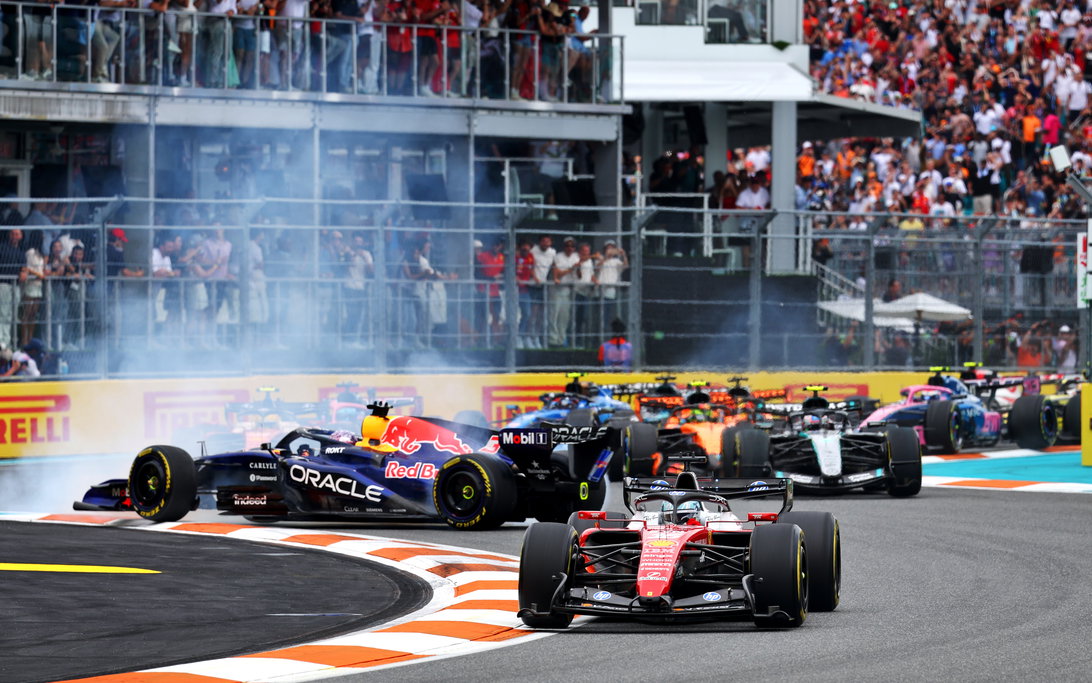
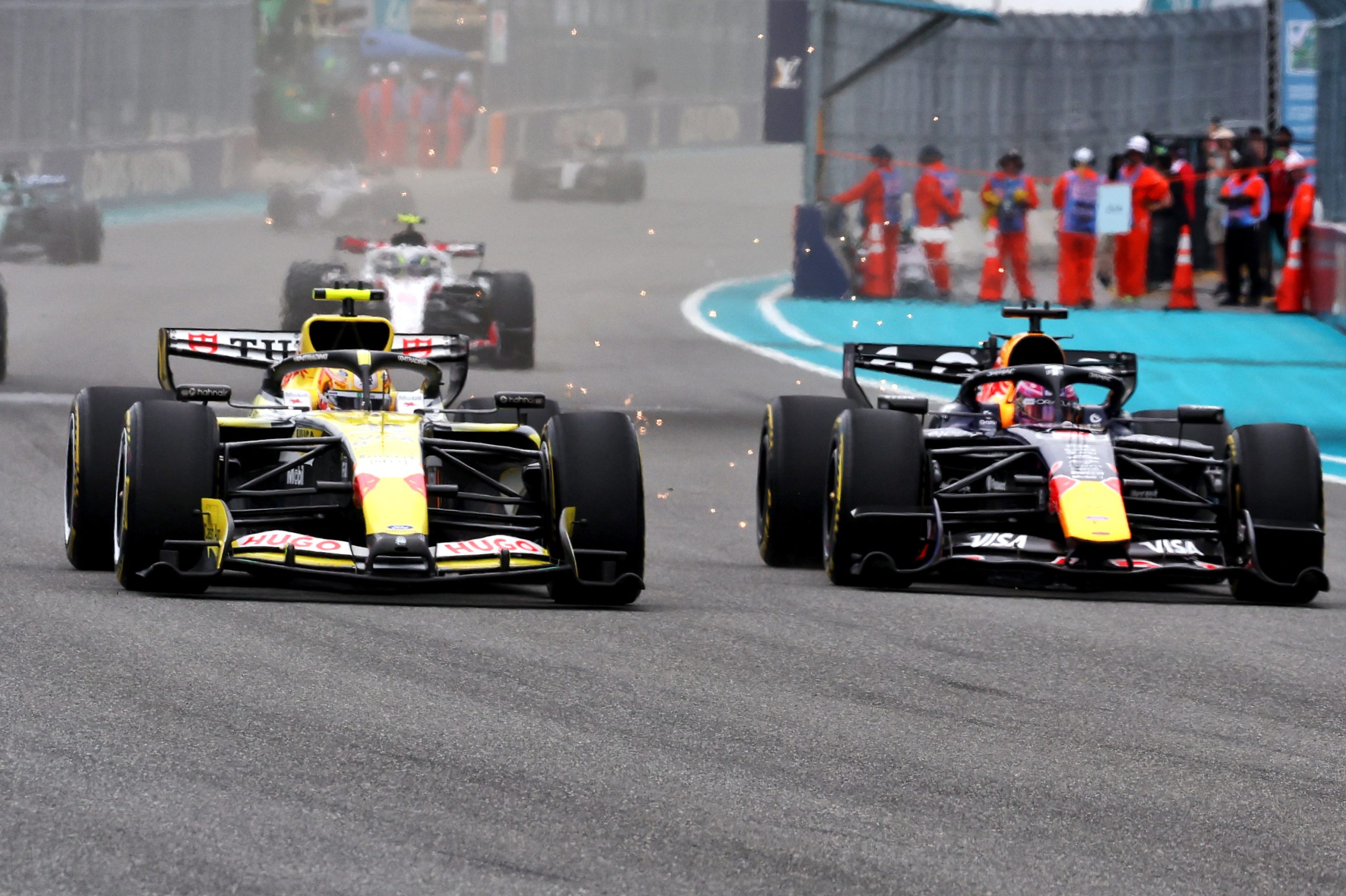
Martin Brundle has praised the recent adjustments to Formula 1's 2026 energy management regulations, stating the changes implemented for the Miami Grand Prix successfully eliminated much of the awkward 'labouring' that plagued the early season and made the cars look 'fast and alive' again.
Why it matters:
The initial implementation of the new 50/50 combustion-electric power unit rules created significant controversy, with drivers criticizing an 'anti-racing' feel and highlighting genuine safety concerns due to erratic closing speeds and harvesting behaviors. Successfully fine-tuning these complex regulations was crucial for restoring driver confidence, improving the spectacle, and validating the long-term vision for the 2026 formula after a rocky start.
The details:
- Following meetings during the April break, the FIA, FOM, and teams agreed on key tweaks to the energy deployment and harvesting rules to create a more balanced power delivery throughout a lap.
- For qualifying, the maximum permitted battery recharge was reduced (from 8 MJ to 7 MJ) to lessen the need for harvesting, and 'super clip' power was increased to shorten its duration.
- For the race, the maximum power available in 'boost mode' was capped, and MGU-K deployment was limited in specific track zones to manage closing speeds.
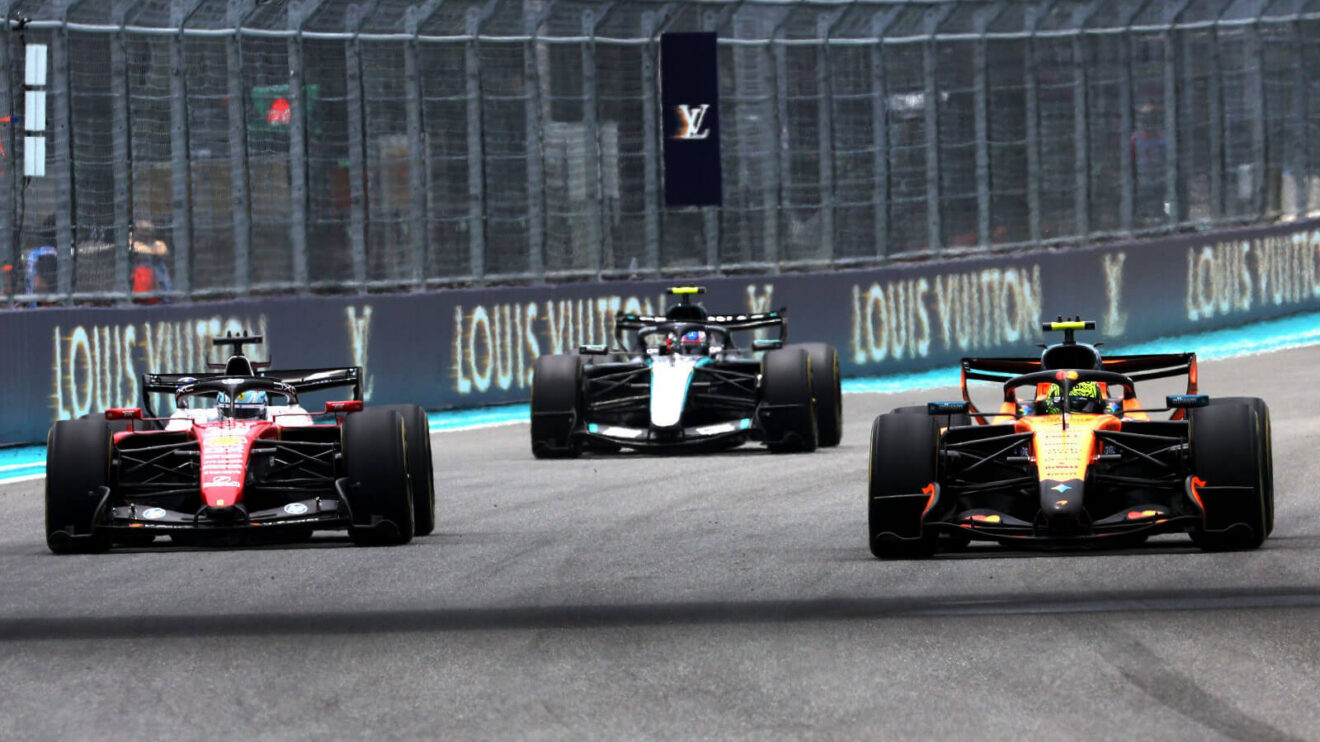
- Brundle noted that while Miami's circuit layout was inherently kinder on battery recharge, the technical changes were clearly effective. Drivers appeared happier, and spectators were spared the sight of cars noticeably slowing on straights as their engines struggled against the kinetic motor charging the battery.
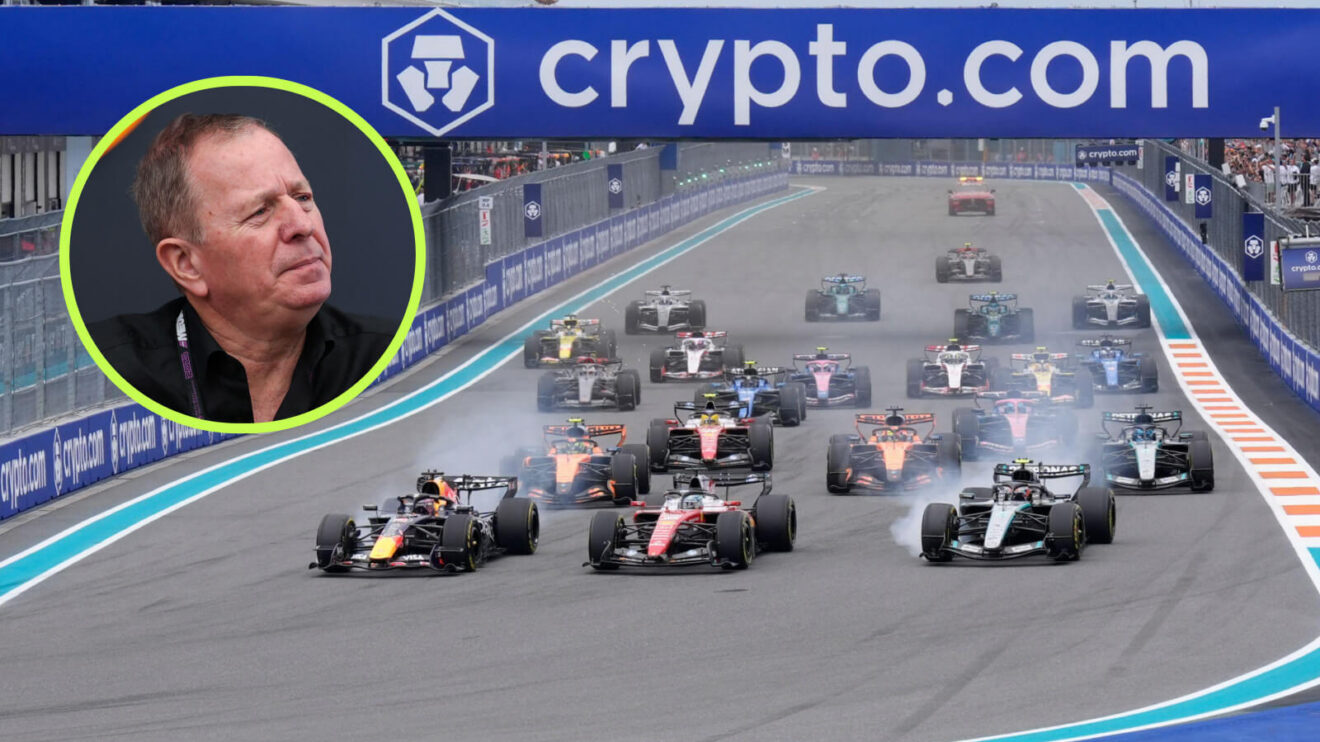
- The race weekend also saw a shift in the competitive order, with Mercedes' Kimi Antonelli taking victory but his team being outscored by McLaren for the first time this season, tightening the battle for second in the Constructors' Championship.
What's next:
The positive reception in Miami provides a vital proof of concept for the 2026 regulations' adjustability. While challenges will vary by circuit, the demonstrated willingness and ability to collaboratively refine the rules mid-season is a promising sign. The focus now shifts to whether these fixes translate effectively to upcoming tracks with different energy demands, as F1 seeks to stabilize the racing product and build momentum for the remainder of the inaugural season of the new formula.
Original Article :https://www.planetf1.com/news/f1-energy-labouring-crisis-eased-miami-fixes-marti...