





Brundle Calls for FIA Action on 'Flawed' F1 Power Delivery After Bearman Crash
F1 pundit Martin Brundle has urged the FIA to urgently address what he calls a "fundamentally flawed" power unit energy management system, following Ollie Bearman's high-speed crash at the Japanese Grand Prix. Brundle argues that modern cars' self-learning hybrid systems and non-linear power delivery are creating dangerous, unpredictable situations for drivers, fundamentally compromising safety.
Why it matters:
The core issue strikes at the principle that a driver must be in full control of their car. When power delivery becomes unpredictable or automated, it introduces a critical safety variable that drivers cannot anticipate or manage, especially at high-speed circuits like Suzuka. With drivers like Lando Norris citing instances where the car's battery management overrode their intent, the call for regulatory intervention highlights a growing tension between advanced hybrid technology and fundamental racing safety.
The details:
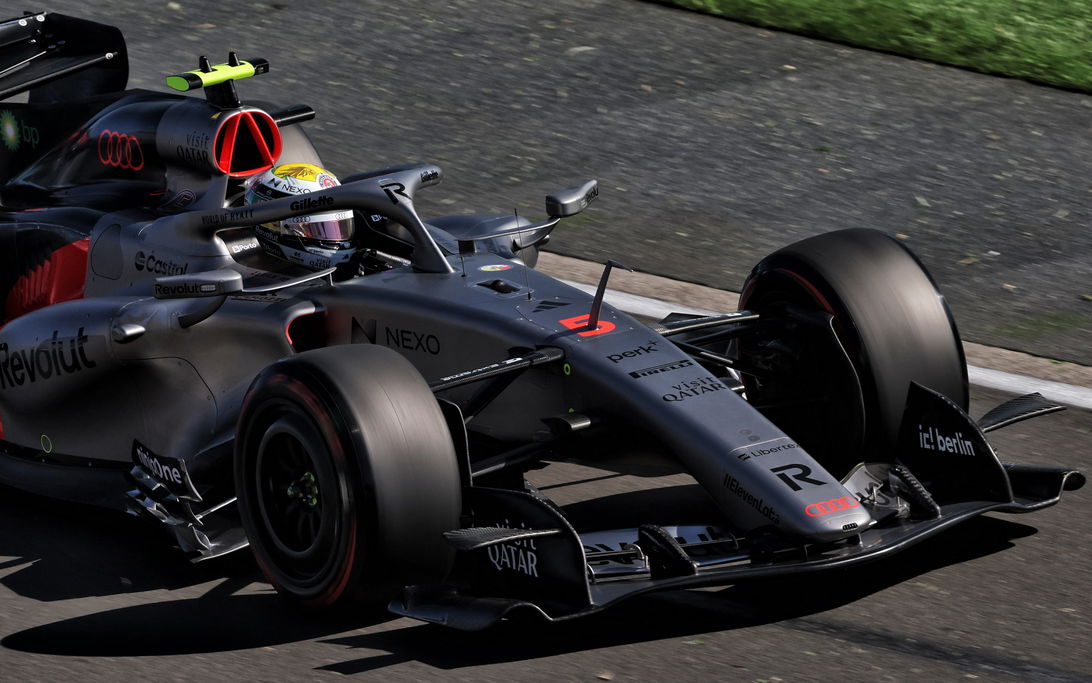
- The incident was triggered when Bearman, at full speed, rapidly approached the Alpine of Franco Colapinto, who was harvesting energy and decelerating on a flat-out curve. Bearman took evasive action, hit the grass, and crashed into the barriers.
- Brundle defended Colapinto, suggesting the Alpine driver was likely dealing with a sudden lack of power and may not have been fully aware of the closing speed.
- Historical Context vs. Modern Problem: Brundle acknowledged that massive closing speeds are not new in racing, but historical cues like engine smoke, smell, or missed gears gave drivers warning. The modern issue is the lack of warning from hybrid systems.
- The Core Complaint: Brundle focused on Norris's recent comment about his car's battery deciding to overtake, leaving him with no energy to defend. This, Brundle states, violates the long-standing regulation that "the driver must drive the car alone and unaided."
- A Fundamental Flaw: He insists power delivery must be linear and proportional to throttle input. The current system, where energy deployment and harvesting can be managed automatically or create sudden power deficits, is deemed unsafe.
- Safety Priorities: Brundle outlined a hierarchy of safety for the FIA, placing fans, marshals, and pit crew ahead of drivers in terms of protection priority, but emphasized that the drivers' vocal concerns now demand immediate action.
What's next:
Brundle believes the FIA is now compelled to act, especially with the Miami Grand Prix approaching, to demonstrate due diligence on a known safety concern. However, he notes the sport is "between a rock and a hard place," as the current hardware—with electrical power output tripled from last year—struggles with energy depletion. While a complete fix may be complex, Brundle expects the governing body to at least work on smoothing out the most dangerous elements of the power delivery system in response to formal driver complaints through the GPDA.
Original Article :https://www.motorsport.com/f1/news/martin-brundle-calls-on-fia-to-fix-fundamenta...