







Bearman's 50g crash at Japan GP sparks safety debate over 2026 F1 closing speeds
Summary
Oliver Bearman's 50 g spin at Suzuka, caused by a 45 km/h gap with Franco Colapinto, sparked safety concerns over the 2026 power‑unit rules. The FIA cleared Colapinto, but drivers demand limits.
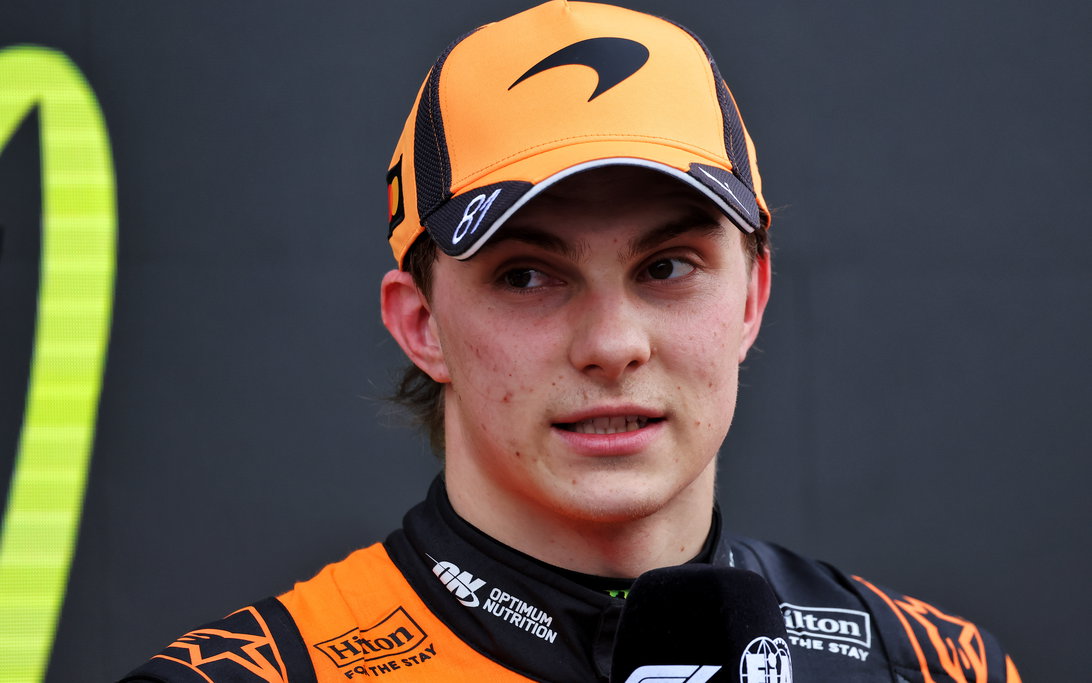
Oliver Bearman’s high‑speed spin at Suzuka’s Spoon Curve, where he slammed into the barrier at roughly 50 g, became the most visible fallout of the 2026 F1 regulation changes that enable extreme closing speeds. The 20‑year‑old Haas driver was closing on Franco Colapinto at a 45 km/h differential before a sudden loss of boost forced a rapid avoidance move that sent him onto the grass and into the wall.
Why it matters:
- The 2026 power‑unit and ERS now permit up to 50 km/h of boost on a straight, shrinking the reaction window for a trailing driver.
- A 50 g impact forces a re‑examination of cockpit protection and runoff zones under such closing speeds.
The details:
- Bearman was ~1 s behind Colapinto when Alpine’s sudden energy shortage gave a 45 km/h boost, closing the gap to ~20 m.
- He steered left onto the grass, spun and hit the barrier at ~180 km/h, a crash measured at about 50 g.
- Colapinto says he stayed on the racing line; Haas boss Ayao Komatsu and the FIA found no fault, while Bearman called the 45 km/h delta “unacceptable”.
What's next:
- The FIA opened a safety review; any rule changes will likely tighten boost‑control limits and add mandatory closing‑speed buffers.
- Teams will fine‑tune ERS deployment for the Miami GP, and drivers are pushing for clearer mirror‑check protocols and defined warning zones to prevent similar high‑g incidents.
Original Article :https://www.motorsport.com/f1/news/franco-colapinto-not-happy-with-oliver-bearma...