



Audi's Early F1 Promise Tempered by Power Unit Limits and Setbacks
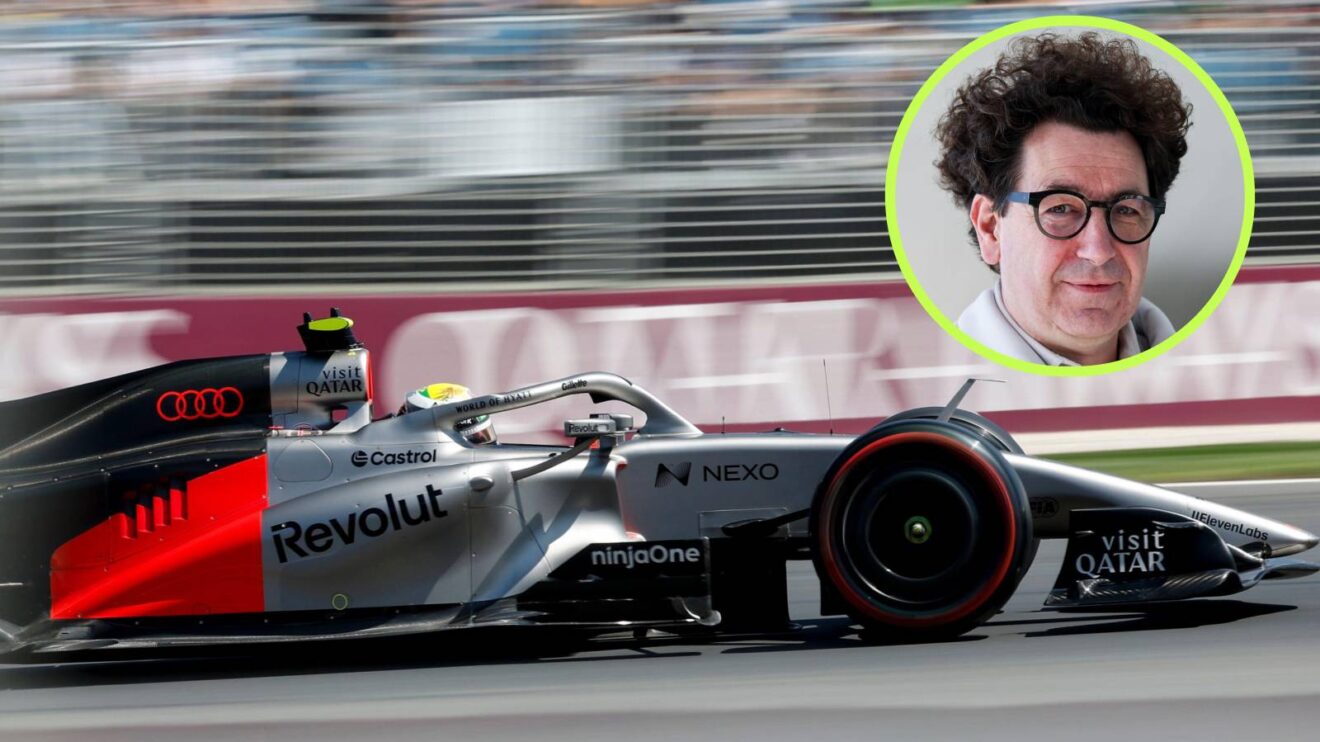
Audi's debut Formula 1 season has yielded just two points, but the team's underlying performance, particularly in qualifying, reveals a car with genuine midfield potential currently hamstrung by a new power unit's limitations and costly operational setbacks.
Why it matters:
As a new, fully-fledged manufacturer taking over the Sauber team, Audi's initial competitiveness is a crucial early indicator of its long-term project's health. The gap between its promising one-lap pace and meager race results highlights the immense challenge of developing a complex F1 power unit from scratch, a process that will define its ability to climb the grid and justify its massive investment in the sport.
The details:
- Qualifying Promise: The Audi R26 chassis has shown it belongs in the midfield, with Gabriel Bortoleto reaching Q3 in two of the first three races (P10 in Australia, P9 in Japan) and Nico Hulkenberg consistently qualifying around 11th place.
- Race-Day Struggles: Strong grid positions have not translated into points due to a combination of factors:
- Poor Starts: Both drivers have repeatedly lost multiple positions at race starts, putting them on the defensive immediately. Team boss Mattia Binotto confirmed this is a "top priority" issue.
- Costly Reliability: Each driver has missed a race entirely due to pre-race technical failures (Hulkenberg in Australia, Bortoleto in China).
- Operational Errors: A wheel gun failure led to a 16-second pit stop for Hulkenberg in Shanghai, destroying any points chance.
- The Root Cause - The Power Unit: Binotto is frank that the team's homemade AFR26 power unit is the primary performance limiter. He cites deficits in overall energy deployment and straight-line speed, making the car vulnerable to overtakes. The large turbo design is also suspected to be a key factor in the poor starts.
- Leadership Shuffle: The sudden departure of Team Principal Jonathan Wheatley, linked to personal reasons and internal tensions, has left Binotto as the de facto leader. He will focus on factory transformation but will appoint a senior trackside figure for race weekends.
What's next:
Audi enters the break before Miami in a "reactive period," having spent the early races fixing reliability fires. The focus now shifts to starting a development program to address its known weaknesses. Binotto has set a realistic, long-term horizon, citing 2030 as a true competitive target and warning that miracles are not possible. The team's immediate goals are to stabilize operations, mitigate its power unit deficits, and convert its clear chassis potential into consistent points finishes to build momentum for the arduous development path ahead.
Original Article :https://www.planetf1.com/news/audi-f1-struggles-binotto-power-unit-weakness-resu...