







Are F1's 2026 Regulations Dangerous?
A high-speed crash involving Oliver Bearman at the Japanese Grand Prix has intensified safety concerns surrounding Formula 1's 2026 technical regulations, prompting drivers to demand immediate action from the FIA. The incident, caused by a massive closing speed differential due to the new power unit's energy management, highlights what many fear is a fundamental flaw in the new rules that could lead to more dangerous situations on track.
Why it matters:
Safety is the non-negotiable foundation of motorsport. The 2026 rules, designed for a 50/50 power split between combustion and electricity, are creating unpredictable and counterintuitive car behaviors that drivers argue are putting them at risk. If the pinnacle of racing is perceived as unnecessarily dangerous due to its own regulations, it undermines the sport's credibility and the safety of its participants.
The Details:
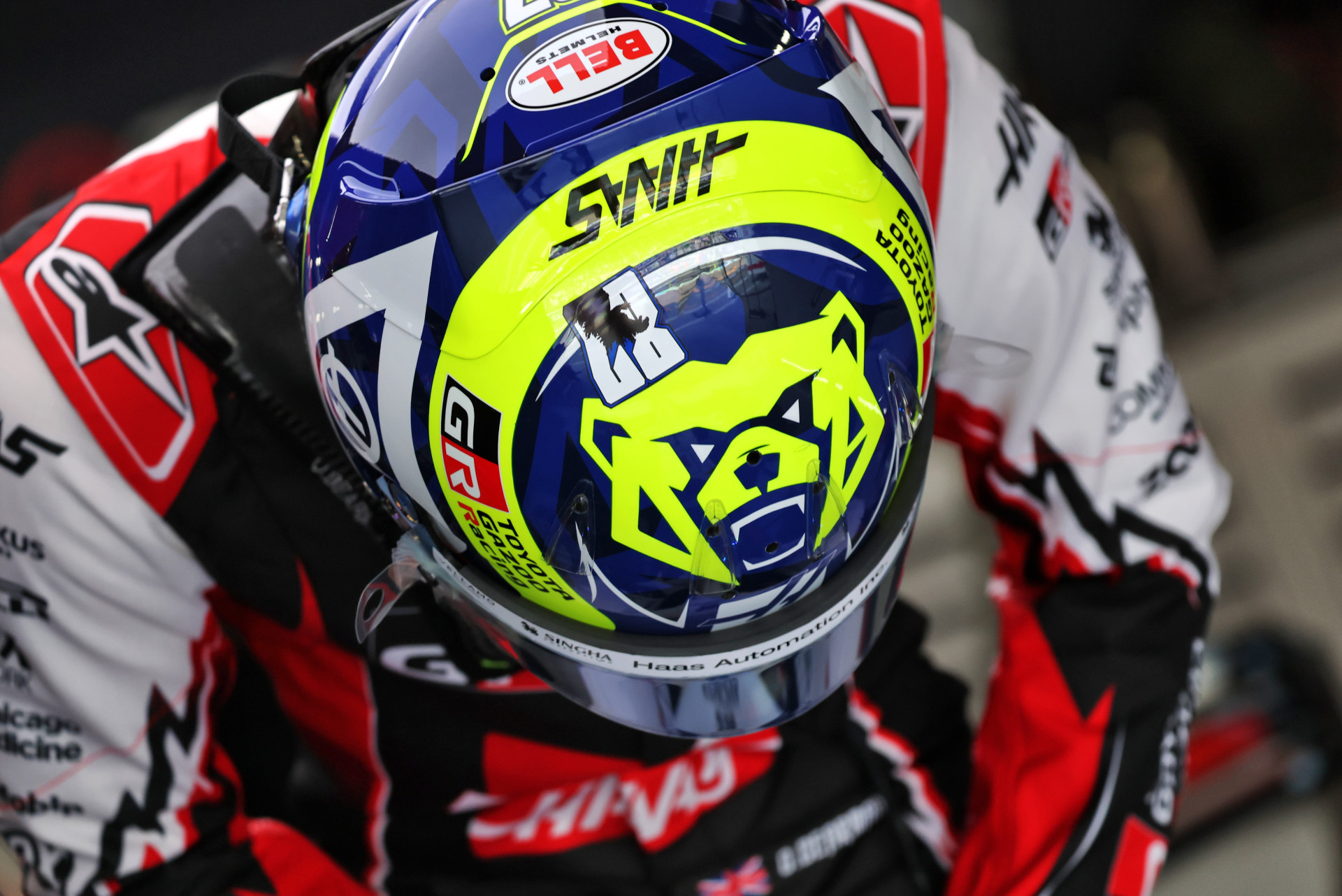
- The triggering incident saw Haas driver Oliver Bearman crash at approximately 300km/h at Suzuka while attempting to avoid the slower Alpine of Franco Colapinto.
- A critical 45km/h closing speed existed because Bearman was deploying his electrical ‘boost’ button for maximum power, while Colapinto’s battery was in a ‘derating’ phase, ramping down its output.
- Haas confirmed the speed differential was a persistent issue in that part of the circuit, reaching 20km/h even without the boost, due to teams employing different energy management tactics.
- This scenario validates warnings issued since pre-season testing and follows several other near-misses in the opening races.
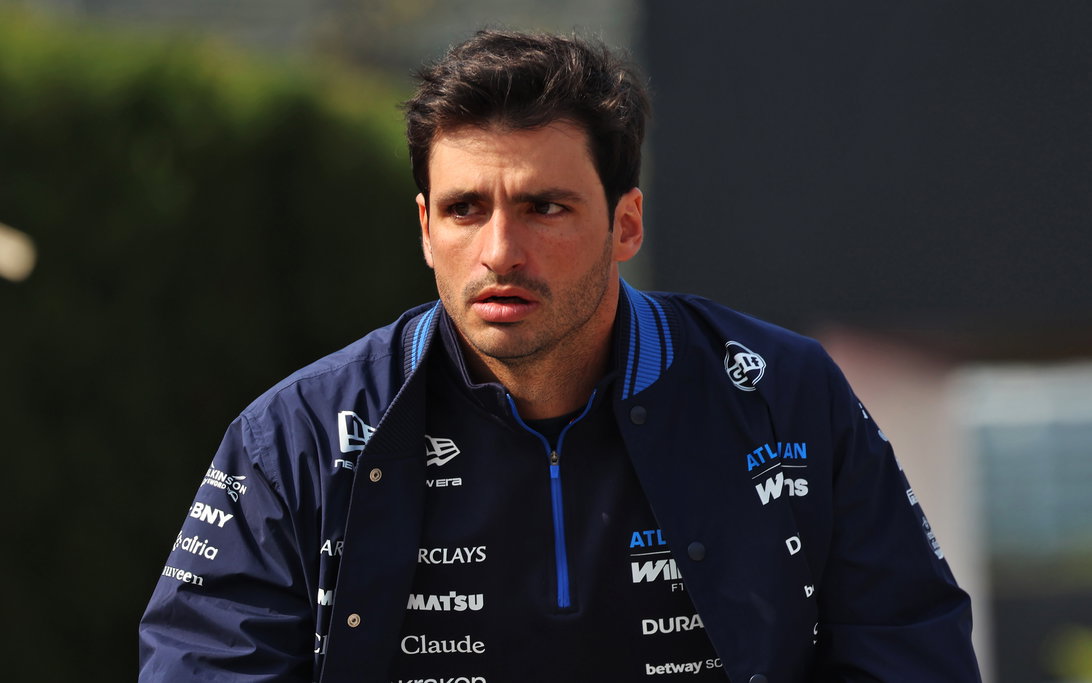
- In response, Grand Prix Drivers’ Association director Carlos Sainz issued a public plea to the FIA and F1 to address the problem, with the governing body acknowledging the closing speed contributed to the crash.
The Big Picture:
The safety debate sits atop a mountain of existing criticism for the 2026 rules. Drivers have slammed the ‘artificial’ racing and underwhelming qualifying, with Charles Leclerc famously comparing the energy boost button to "the mushroom in Mario Kart"—a sentiment Oscar Piastri echoed after seeing the Bearman crash replay. The core issue is the increased reliance on battery management, which forces extreme variances in car performance on the straights. While the previous rules had some ‘derating,’ the new formula has amplified the effect, creating ‘sitting duck’ scenarios and requiring drivers to lift and coast to recharge in ways that feel alien to pure racing.
What's Next:
The pressure is now squarely on the FIA and F1 to respond. The governing body has confirmed that already-scheduled April meetings will determine if rule adjustments are necessary. These talks will involve the power unit manufacturers, who must balance their competitive interests with the collective need for safety and better racing. While the controversy hasn't dented F1's commercial success—with sold-out crowds and global attention—the sport's leaders face a critical test. They must decide whether to tweak the energy deployment parameters or risk the consequences of inaction, as drivers have made it clear they will not accept the current level of danger.
Original Article :https://speedcafe.com/f1-news-2026-safety-regulations-rules-dangerous-battery-be...